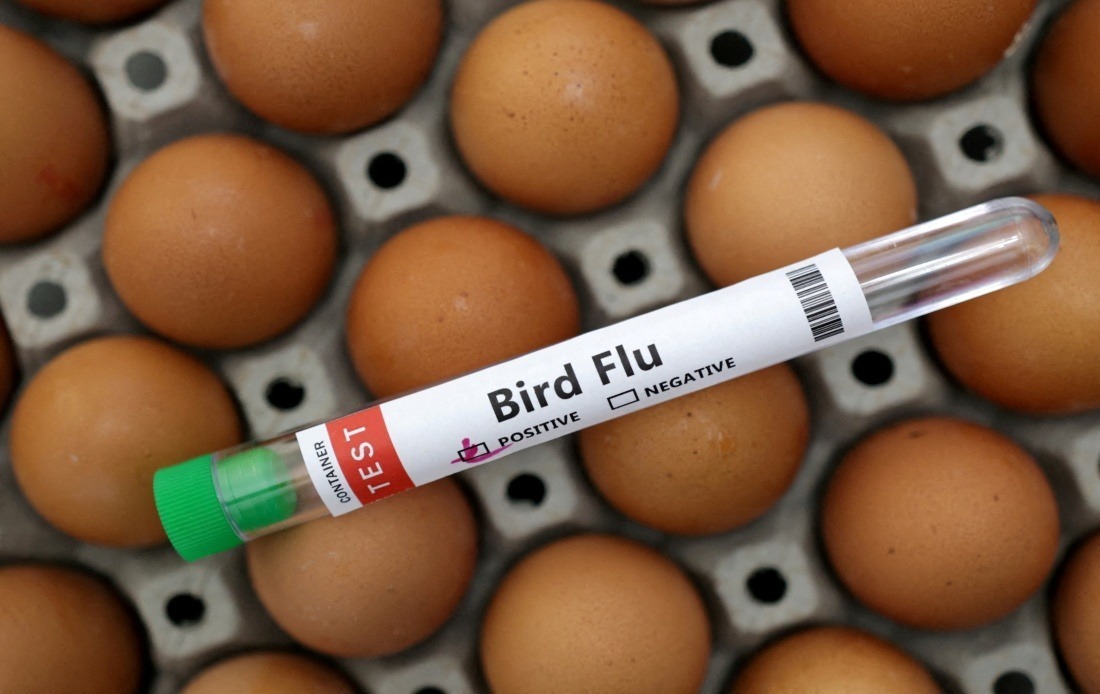
Australia's Victoria state has implemented a mandatory indoor housing requirement for poultry operations, marking the nation's first compulsory biosecurity measure of this kind as detections of highly pathogenic H5N1 avian influenza continue climbing across the region. The directive, which strengthens an earlier voluntary guideline, will compel producers maintaining flocks exceeding 50 birds to house their stock indoors for an initial fortnight, fundamentally altering operational practices for the state's poultry sector.
The escalating situation has prompted authorities to adopt increasingly stringent containment strategies. Victoria's Chief Veterinary Officer Graeme Cook indicated that fresh confirmed cases identified in the township of Yambuk, Apollo Bay and Clyde regions necessitated a hardening of the government's response framework, particularly as the virus penetrates previously unaffected geographic areas within the state. These localised clusters signal a broadening territorial footprint for the disease, creating concern among agricultural officials about potential transmission pathways between wild bird populations and commercial farming operations.
Agriculture Minister Michaela Settle characterised the indoor housing mandate as a forward-looking, protective intervention designed specifically to sever contact between domesticated birds and wildlife that may be harbouring the virus. By restricting the movement of farmed poultry and limiting their exposure to external environments where infected waterfowl or migratory birds congregate, authorities aim to create a physical barrier against natural transmission routes that have historically enabled avian influenza to establish itself in agricultural settings.
National biosecurity officials reported that laboratory testing had identified an additional 20 positive H5 cases on Friday alone, all confirmed in greater crested terns sampled from locations near Portland and Nelson. Australian Chief Veterinary Officer Beth Cookson disclosed these figures as part of ongoing surveillance operations tracking the pathogen's distribution across Victoria and neighbouring territories. The concentration of detections in wild bird populations rather than domestic flocks provides a glimmer of reassurance but underscores the persistent threat posed by the broader environmental circulation of the virus.
Cumulatively, Australia has documented 175 confirmed or suspected H5 avian influenza infections derived from tested specimens nationwide, according to data released by Australian Broadcasting Corporation News. This cumulative count represents a significant epidemiological event for a country that has enjoyed relative isolation from some infectious disease pressures affecting Northern Hemisphere poultry sectors. The trajectory suggests the virus may be establishing a foothold in Australian ecosystems through wild bird populations, potentially creating a persistent reservoir.
Despite the rising detection figures, agricultural and health authorities have sought to moderate public concern by emphasising that no confirmed cases have emerged within Australia's domestic poultry production infrastructure or commercial farming systems. This distinction is crucial for sector stability and consumer confidence, as it demonstrates that existing farm biosecurity protocols are functioning effectively to prevent industrial-scale outbreaks. The risk assessment for human populations also remains classified as minimal, according to official channels, though health authorities maintain vigilant monitoring protocols.
The precautionary nature of Victoria's decision reflects the agricultural sector's determination to prevent a scenario where the pathogen breaches farm defences and establishes itself within intensive poultry production environments. Such an incursion would carry profound economic consequences, potentially disrupting egg and poultry meat supplies across multiple states, generating trade complications, and imposing substantial costs on affected producers through culling operations and business interruptions. The relatively modest regulatory burden of mandatory indoor housing thus represents a preventive investment substantially less onerous than managing an active farm outbreak.
The broader Australian outbreak narrative carries implications for the Southeast Asian region, where avian influenza remains endemic in wild and domestic bird populations across multiple countries. For Malaysian readers, the Victorian experience illustrates how developed agricultural sectors respond to emerging H5N1 threats through rapid implementation of biosecurity upgrades and precautionary measures. Australia's experience may inform regional best practice discussions, particularly regarding early detection mechanisms and the transition protocols between voluntary industry guidelines and mandatory government interventions.
Regional event organisers have responded to the heightened biosecurity environment by implementing their own protective measures. The Royal Adelaide Show, a significant agricultural and cultural annual event, has cancelled scheduled bird and poultry exhibitions planned for the coming month as a precaution against potential disease transmission during the gathering of animals and visitors. This cancellation decision reflects the concerning trajectory of detections and signals broader institutional recognition that even low-probability risk scenarios warrant preventive action when community gatherings are involved.
The 14-day timeframe attached to Victoria's mandatory indoor housing order provides authorities with an initial monitoring window to assess whether the measure effectively contains viral spread and whether geographic patterns of detection stabilise or continue expanding. Should the outbreak trajectory worsen or the geographic scope broaden significantly during this evaluation period, officials have signalled willingness to extend the requirement or introduce supplementary restrictions. This staged approach allows for adaptive management while maintaining regulatory proportionality to the observed threat level.
Looking ahead, the Victorian case demonstrates how even developed nations with advanced veterinary infrastructure face challenges in managing H5N1 in contexts where wildlife populations serve as active transmission reservoirs. The situation underscores the importance of international coordination on avian influenza surveillance, information sharing between nations regarding outbreak patterns, and collaborative development of response strategies that can be deployed rapidly across borders when necessary. For Australia's broader agricultural sector and consumers, the immediate priority remains preventing farm-level incursions while the strategic longer-term focus centres on understanding whether the virus will become endemic in Australian wildlife or whether current containment efforts can interrupt transmission chains and eliminate the pathogen.

