Vietnam will require airlines to compensate passengers experiencing flight delays beginning next month under Government Decree No. 208, a sweeping reform of civil aviation consumer protection that sets a significant regional standard for passenger rights. The regulation, formally issued this week, represents one of Southeast Asia's most comprehensive frameworks addressing flight disruptions, encompassing delays, cancellations, schedule changes, and denied boarding scenarios. The implementation signals Vietnam's commitment to modernising its aviation sector regulations alongside its booming air travel market, where passenger volumes have surged in recent years.
Under the new decree, airlines must treat any departure occurring more than 15 minutes past the scheduled time as a formal delay, establishing a clear threshold for compensation eligibility. Notably, the regulation distinguishes between standard delays and "long delays"—defined as four hours or more—triggering progressively stricter airline obligations. This tiered approach reflects international best practices while accounting for Vietnam's domestic aviation context, where regional flights typically involve shorter flight times than international routes. The distinction recognises that a two-hour delay carries different implications for domestic versus international passengers.
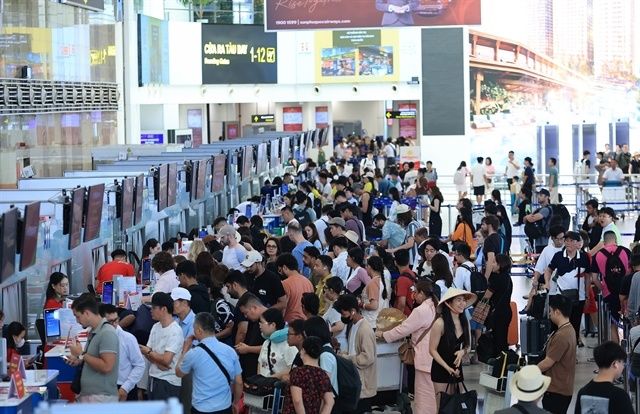
Carriers face immediate notification requirements whenever delays are anticipated, obligating them to inform passengers promptly, provide explanations for disruptions, and maintain continuous updates. Critically, airlines must ensure that revised departure estimates appear on airport flight information screens at least every half hour, preventing passengers from relying on outdated information. This transparency requirement addresses a persistent frustration in many Southeast Asian airports, where communication gaps between carriers and ground services have historically left travellers uncertain about changing circumstances.
For delays exceeding two hours, airlines must provide tangible passenger assistance—either complimentary drinking water or equivalent vouchers. While this may seem modest compared to international compensation standards, the provision establishes a baseline welfare obligation that many developing-nation carriers have traditionally neglected. The decree further mandates that carriers arrange suitable rest facilities when delays occur during daytime hours between 7am and 10pm, and provide sleeping or resting accommodation for overnight delays between 10pm and 7am. These provisions acknowledge the physical and emotional toll of extended flight disruptions on weary travellers.
The regulation grants carriers flexibility in rebooking and rerouting while removing financial penalties previously imposed on passengers. When carriers cancel flights due to their own operational failures, they must waive all normal restrictions on itinerary modifications and rebooking surcharges, effectively absorbing costs rather than transferring them to affected passengers. This approach incentivises airlines to maintain operational discipline while protecting consumer interests. Passengers gain the right to request alternative routings to reach their ultimate destinations, fundamentally shifting the burden of disruption management from passengers to carriers.
Schedule changes—alterations to a marketed flight number's departure time—receive distinct treatment reflecting their different impact profile. When carriers advance or delay flights by five hours or more, passengers gain automatic compensation rights and rebooking privileges without incurring additional costs. However, the decree allows carriers to apply their own policies for minor adjustments of no more than four hours earlier or 15 minutes later, recognising that minor schedule variations occur regularly in aviation operations. This flexibility prevents regulatory overkill while maintaining protections against substantial disruptions.
Cancellations trigger the decree's most stringent protections, with airlines assuming responsibility for notifying passengers immediately and explaining reasons for service cessation. When airlines cancel flights due to their own operational decisions, passengers may elect full fare refunds, rebooking on alternative services at no additional cost, or priority placement on subsequent flights within 72 hours. The decree's definition of cancellation—non-operation of a flight for which at least one passenger held a confirmed seat and ticket—prevents carriers from claiming technical exemptions by operating flights with minimal or zero passenger loads.
The Minister of Construction bears responsibility for establishing compensation amounts and implementation timelines, suggesting that regulations will continue evolving as the aviation sector gains experience with the decree. This administrative flexibility allows policymakers to adjust compensation levels reflecting inflation and industry profitability while maintaining the regulatory framework's core protections. The requirement for carriers to publish disruption information and file reports with relevant authorities creates a data trail enabling regulatory oversight and performance monitoring.
For Malaysia and other Southeast Asian nations, Vietnam's regulatory approach offers a compelling model for consumer protection in increasingly competitive aviation markets. As low-cost carriers expand operations across the region and passenger volumes continue climbing, consumer protection frameworks become increasingly urgent. Vietnam's experience implementing this decree will likely influence policy discussions in neighbouring jurisdictions wrestling with similar questions about airline accountability, passenger compensation, and transparent communication during service disruptions. The regulation also creates potential competitive implications, as international carriers operating in Vietnam must now comply with standards potentially exceeding their home country requirements.
The decree's implementation from next month will test Vietnamese carriers' operational and administrative capacity, particularly regarding notification systems, accommodation arrangements, and compensation processing. Regional carriers operating multiple routes and managing complex schedules will need to integrate these requirements into their operations and train staff accordingly. The regulation may also influence ticket pricing, as airlines factor compensation obligations into revenue models, potentially affecting consumer fares across the Vietnamese market.