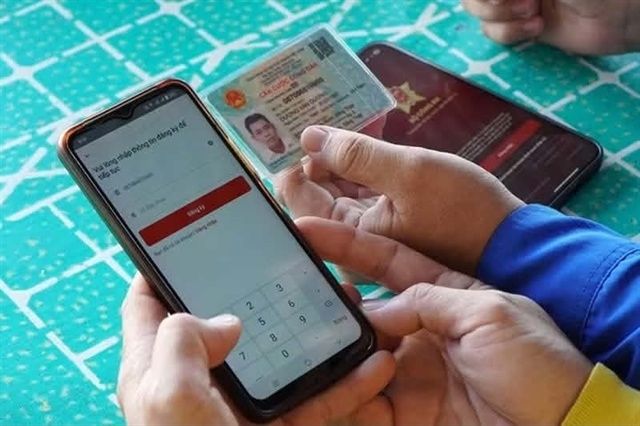
Vietnam has taken a significant step towards modernising its digital governance infrastructure by extending electronic identification accounts to foreign nationals, marking a substantial policy shift that reflects the country's ambitions to become a more digitally integrated economy. Under a newly promulgated Government decree reported by Vietnam News Agency (VNA), any foreign national who has lawfully entered or resides within Vietnam's borders may now request an electronic identification account at any administrative level. This expansion represents a recognition of Vietnam's growing foreign resident population and the practical need to streamline identity verification processes for non-citizens engaged in business, education, and long-term residency in the country.
The decree fundamentally reshapes how Vietnam's digital identification ecosystem operates by eliminating redundant bureaucratic procedures. A critical amendment centres on the principle that individuals and organisations no longer need to repeatedly furnish documents to government agencies when relevant data have already been consolidated within the system. This deduplication mechanism addresses a persistent frustration in Southeast Asian bureaucracies, where citizens and foreign residents often must repeatedly submit identical documentation to different government bodies. By integrating information across agencies, Vietnam aims to reduce administrative burden and processing times, making the system more efficient for both applicants and government offices.
For Vietnamese citizens, the eligibility framework has been clearly tiered based on age and documentation status. Citizens aged six years and older who possess a valid citizen identity card or standard identity card may apply for either Level 1 or Level 2 electronic identification accounts. This dual-tier system allows for differentiated access privileges, likely reflecting varying levels of authentication security and permitted transactions. Children under six who have been issued an identity card can obtain only Level 1 accounts, ensuring age-appropriate access controls. These provisions demonstrate a sophisticated approach to digital identity that considers developmental and risk factors across different age groups.
The inclusion of private and state entities within the electronic identification framework signals Vietnam's comprehensive approach to digital transformation extending beyond individual citizens. Any agency or organisation formally established or registered to operate within Vietnam may now request electronic identification accounts at any level. This provision facilitates seamless digital interactions between government institutions, private enterprises, and civil society organisations, potentially accelerating administrative processes for business registration, licensing, and inter-agency communications. The expansion to organisational entities transforms electronic identification from a personal credential into an institutional tool for Vietnam's entire governance and economic ecosystem.
The breadth of documents now eligible for integration into the national identification application represents one of the decree's most ambitious elements. For individuals, the system now encompasses 66 categories of documents, ranging from foundational records such as birth certificates and residence information certificates to specialised credentials including driving licences, investment permits, and vehicle registration documents. Foreign residents will find their ordinary passports and visa documentation automatically integrated, substantially reducing the need to physically carry multiple documents for routine transactions. This consolidation addresses a persistent friction point for foreign residents who frequently encounter requests for document verification.
The organisational document list, comprising 140 categories, equally reflects Vietnam's intent to digitise the entire institutional documentation landscape. Business licences, export-import permits, and seal specimen registration certificates can now be stored and verified through the national platform. This integration promises to accelerate commercial transactions, reduce counterfeiting risks, and enable real-time verification of business credentials. For international companies operating in Vietnam and Southeast Asian firms engaged in cross-border trade through Vietnam, this streamlining could meaningfully reduce transaction costs and processing delays.
The implementation timeline, with the decree taking effect on 28 September 2026, provides sufficient runway for government agencies, technology vendors, and the public to prepare for transition. This 18-month implementation window mirrors best practices observed in other Southeast Asian digital identity initiatives, allowing for system testing, staff training, and public awareness campaigns. Vietnamese authorities will need to invest substantially in backend infrastructure, cybersecurity measures, and user interface design to ensure the system functions reliably across the country's diverse regions and demographic groups.
From a regional perspective, Vietnam's expansion of electronic identification to foreign nationals positions it alongside Singapore and South Korea as progressive adopters of inclusive digital governance. For Malaysian readers and Southeast Asian businesses operating across borders, Vietnam's approach offers a template for how legacy bureaucratic systems can be modernised to reduce friction for international users while maintaining security and sovereignty controls. The decree signals that Vietnam sees foreign residents and international businesses as stakeholders in its digital economy rather than peripheral actors requiring separate, inferior systems.
The practical implications for Malaysia-Vietnam business relationships warrant particular attention. Malaysian entrepreneurs, investors, and long-term residents in Vietnam will benefit from simplified documentation processes and reduced administrative delays. Similarly, Vietnamese nationals and residents conducting business in Malaysia should observe whether Malaysia develops reciprocal arrangements or learns from Vietnam's efficiency gains. The decree essentially transforms electronic identification from a domestic convenience into a competitive advantage for attracting and retaining talented foreign workers and entrepreneurs.
Cybersecurity and data privacy represent the decree's implicit but critical challenges. Consolidating 206 document categories into a centralised digital platform creates an attractive target for cybercriminals and foreign intelligence services. Vietnam must implement world-class encryption standards, multi-factor authentication, and comprehensive audit trails to protect sensitive information about both citizens and foreign residents. Any data breach could catastrophically undermine public confidence in the system and discourage foreign investment and residency.
The decree's success ultimately depends on adoption rates and perceived reliability among end users. Vietnamese citizens, long accustomed to physical documents, must develop confidence in digital credentials. Foreign residents, potentially more digitally sophisticated, may adopt the system more readily but require assurance that their biometric and personal data receive appropriate legal protection under Vietnamese law. Government agencies must move beyond traditional practices and genuinely trust digital verification rather than reverting to paper-based confirmation in practice.
Vietnam's electronic identification expansion reflects broader Southeast Asian trends towards digital governance, even as cybersecurity and equity concerns linger across the region. The September 2026 implementation date positions Vietnam to observe outcomes from neighbouring countries' digital identity initiatives and adjust accordingly. For Malaysia and other ASEAN members contemplating similar expansions, Vietnam's policy provides both an encouraging model and cautionary lessons about the infrastructure investments required for successful digital transformation at scale.

