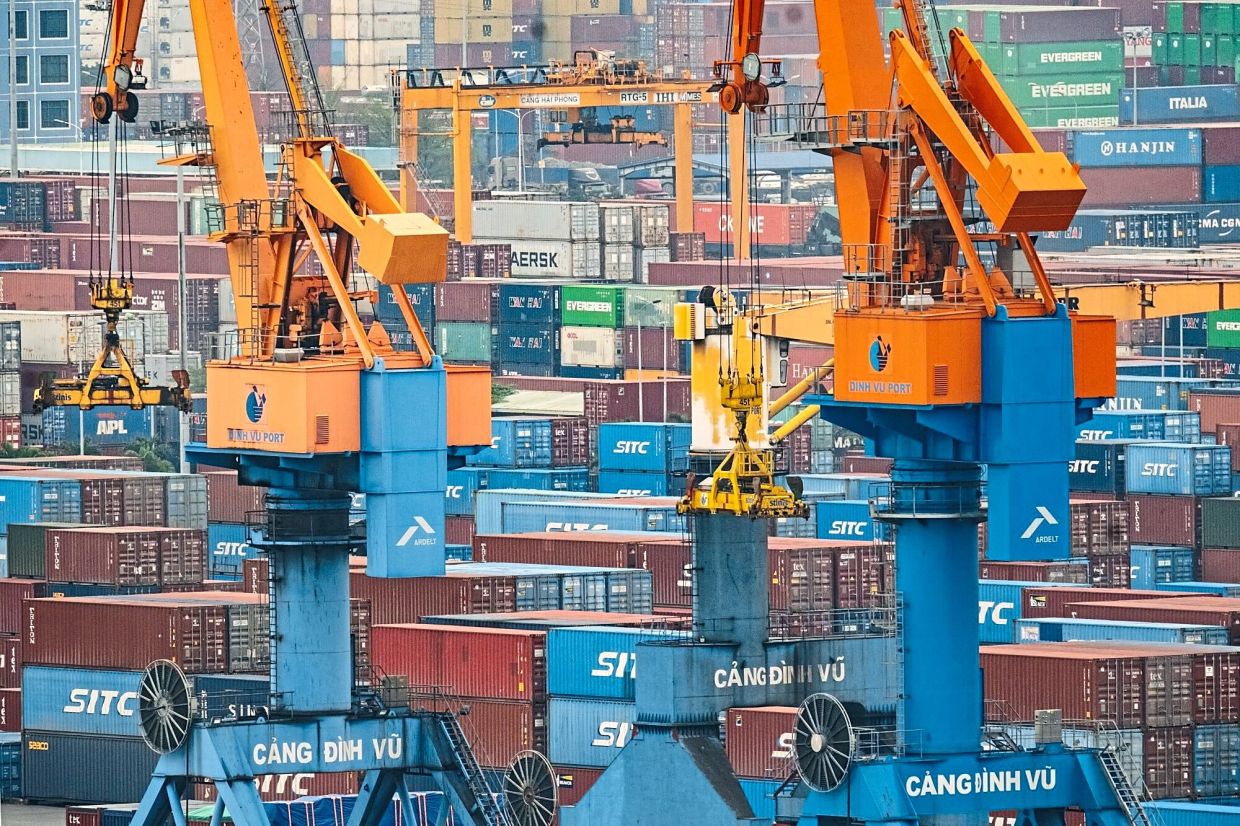
Vietnam's Deputy Prime Minister Nguyen Van Thang has sought to breathe new life into stalled trade negotiations with the United States, meeting US Trade Representative Jamieson Greer in Washington to reaffirm Hanoi's commitment to substantive dialogue. The high-level encounter signals Vietnam's determination to move past months of negotiating gridlock and demonstrate its readiness for what both parties have characterised as "open, constructive" discussions on commerce between the two nations. Thang's visit underscores Hanoi's strategic priority to maintain strong economic ties with Washington whilst simultaneously attracting greater American investment to its manufacturing sector, which has become increasingly crucial to the country's export-driven economy.
The bilateral meeting comes as the two countries attempt to finalise a comprehensive tariff agreement following their October framework accord. Vietnam's willingness to address specific American grievances—particularly concerning the transshipment of goods through its ports and the alleged laundering of Chinese products destined for US markets—represents a significant concession aimed at breaking the current diplomatic impasse. Greer conveyed Washington's intention to conclude the negotiations expeditiously, suggesting that both sides recognise the commercial and political costs of prolonged uncertainty.
The underlying friction stems from Washington's perception that Vietnamese territory has become a conduit for skirting American trade restrictions on Chinese goods. As US manufacturers increasingly relocate production to Southeast Asia to diversify supply chains away from China, the risk of illicit Chinese products entering American markets through Vietnamese intermediaries has become a focal concern for trade officials. The Trump administration has launched three concurrent Section 301 investigations targeting Vietnam's trade practices, each examining different dimensions of the problem—from non-tariff barriers to alleged intellectual property violations.
The April designation of Vietnam as a "priority foreign country" by Greer's office carried significant weight, reflecting Washington's frustration with what it characterises as inadequate border controls and insufficient enforcement against online counterfeiting. The dossier specifically cited Vietnam's struggle to combat digital piracy and the proliferation of fake goods within its distribution networks. These findings will be formally concluded in November, creating a critical deadline that could trigger punitive tariff increases if Vietnam fails to demonstrate meaningful progress on compliance and enforcement measures.
Vietnam's trade relationship with the United States has reached extraordinary proportions, with bilateral commerce revealing striking imbalances. In the first half of 2026, Vietnam recorded a trade surplus with America reaching US$114 billion—the largest bilateral gap the US faces with any nation, surpassing even China, Mexico, and Taiwan. This unprecedented figure reflects Vietnam's transformation into a primary export hub for American consumers, particularly in electronics and consumer goods. Paradoxically, this success has simultaneously made Vietnam a focal point for US trade officials concerned about the quality and provenance of those imported products.
The surge in Vietnamese imports from China compounds American anxieties about supply chain integrity. As manufacturing operations expand within Vietnam to service global demand, the reliance on Chinese components and intermediate goods has intensified markedly. Local producers benefit from China's mature industrial base and cost advantages, but this deepening integration raises questions about whether final products assembled in Vietnam can genuinely be classified as Vietnamese-origin goods under existing trade rules. The distinction carries enormous consequences for tariff classification and trade agreement compliance.
Thang's concurrent meetings with representatives of multinational corporations including Qualcomm Inc., Visa Inc., Axon Enterprise Inc., and Caterpillar Inc. reveal a dual diplomatic strategy. Whilst negotiating trade grievances at the government level, Vietnam simultaneously works to demonstrate to American businesses that the country remains an attractive and stable investment destination. These engagement sessions serve to build advocacy networks within the US business community that favour maintaining preferential commercial access to Vietnam. Such corporate relationships often prove influential in shaping trade policy discussions in Washington.
For Malaysian observers and policymakers, Vietnam's negotiating position carries instructive implications. Like Vietnam, Malaysia has emerged as a significant beneficiary of supply chain diversification away from China, yet faces similar scrutiny regarding transshipment practices and the authenticity of regional origin claims. The precedent Vietnam establishes through this negotiation process—whether through stricter enforcement mechanisms, enhanced border controls, or technological solutions for supply chain transparency—will likely influence how Washington approaches comparable concerns with other Southeast Asian trade partners including Malaysia itself.
The broader geopolitical context adds texture to these technical trade discussions. Vietnam's eagerness to accommodate American concerns reflects strategic calculations about maintaining privileged access to US markets whilst avoiding the kind of economic disruption that would result from escalated tariffs. Yet capitulating too readily to American demands risks creating friction with China, which remains Vietnam's largest supplier and a crucial neighbour. This balancing act typifies the complex position inhabited by Southeast Asian nations navigating great power competition and seeking to benefit from both Chinese and American economic engagement without becoming excessively dependent on either.
The November deadline for Section 301 investigation findings creates natural pressure for accelerated resolution. Both sides appear motivated to reach accommodation before that juncture, as punitive tariffs would disrupt established trading relationships and impose costs across both economies. Vietnam's demonstrated flexibility and willingness to address specific grievances suggest that Hanoi recognises the vulnerability of its position and the potential consequences of intransigence. However, the complexity of enforcement—implementing effective controls against transshipment whilst maintaining the economic incentives that make Vietnam an attractive investment location—ensures that diplomatic resolution remains challenging despite evident goodwill from both parties.

