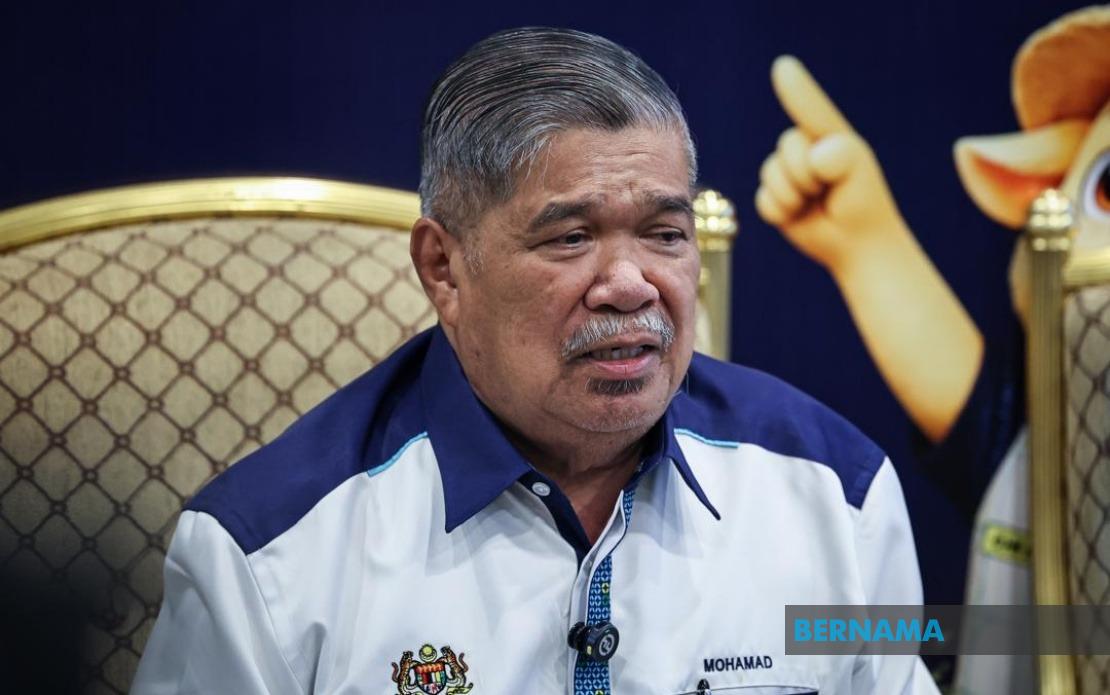
Agriculture and Food Security Minister Datuk Seri Mohamad Sabu has recommended that attendees at the Malaysia Agriculture, Horticulture and Agrotourism Show 2026 adopt protective measures including face masks as safeguards against the current atmospheric haze and elevated temperatures blanketing the country. Speaking at the official inauguration ceremony held at the Malaysia Agro Exposition Park Serdang (MAEPS) on Thursday, Mohamad emphasised that such precautions become increasingly critical as visitor numbers surge during the school holiday period and weekend activities, when public health considerations take on heightened importance across large gatherings.
The advisory reflects growing concerns about air quality in Malaysia during the latter months of the year, when transboundary haze from regional sources typically peaks. Combined with the intense heat characteristic of late August and early September in the Malaysian calendar, environmental conditions at outdoor events such as MAHA 2026 can pose respiratory and heat-related health risks, particularly for vulnerable groups including children, elderly visitors, and those with pre-existing respiratory conditions. The minister's recommendation aligns with established public health protocols that encourage preventive action during periods of compromised air quality.
During the press conference at MAEPS, Mohamad disclosed that the inaugural day of MAHA 2026 attracted approximately 140,000 visitors, demonstrating substantial public interest in the nine-day agricultural exposition. This figure provides a benchmark for anticipated attendance patterns, particularly as the exhibition enters its peak visitation window coinciding with the school holiday calendar. The large opening-day turnout underscores the significance of MAHA as a marquee event within Malaysia's agritourism and agricultural sector calendars, drawing families and agricultural professionals alike to engage with exhibits spanning diverse farming and horticultural domains.
The exhibition, which commenced on August 28 and will continue through September 6, operates under the thematic framework "Penciptaan Nilai Demi Keterjaminan Makanan" (Creating Value for Food Security), reflecting Malaysia's strategic priorities in agricultural self-sufficiency and value-chain development. The sprawling event showcases contributions from approximately 2,000 exhibitors representing diverse segments of the nation's agricultural, horticultural, and agritourism industries. Organisers project cumulative attendance exceeding four million visitors throughout the exhibition's nine-day duration, making it a significant convergence point for industry stakeholders, consumers, and policymakers engaged in food production and agricultural innovation discussions.
Beyond health advisory measures, MAHA 2026 programming includes prominent patriotic elements aligned with Malaysia's national calendar. The minister extended a public invitation to attend the Merdeka Eve celebration scheduled for tomorrow evening at MAEPS, featuring spectacular drone and fireworks displays commencing at 11:30 pm. This integration of national observances within the agricultural exposition framework underscores efforts to position MAHA as a comprehensive experiential platform that intersects agricultural commerce, tourism, and civic engagement within a single venue.
The event's scale and scope reflect the Malaysian government's commitment to promoting agricultural visibility and accessibility to the broader consuming public. By housing approximately 2,000 exhibitors, MAHA 2026 creates concentrated marketplace opportunities for farmers, agribusinesses, food processors, and agricultural service providers to directly interact with end consumers. This direct-to-market model has become increasingly important for smallholder farmers and medium-sized agricultural enterprises seeking to establish brand presence and consumer relationships outside conventional retail channels.
For Malaysian readers and regional observers, MAHA 2026 carries implications extending beyond agricultural commerce into broader narratives concerning food security resilience and domestic agricultural capacity. The ministry's thematic emphasis on value creation within food systems reflects regional and global pressures regarding supply chain stability and agricultural sustainability. Southeast Asian nations, including Malaysia, face persistent challenges in achieving domestic food self-sufficiency while maintaining environmental sustainability and economic viability for farming communities. Major agricultural exhibitions such as MAHA function as platforms for demonstrating innovations, policy initiatives, and market solutions addressing these intersecting imperatives.
The concurrent management of public health concerns during outdoor mass gatherings demonstrates the persistent integration of pandemic-era health protocols into Malaysian event planning. While the acute phase of COVID-19 has receded, recommendations for mask usage during periods of poor air quality reflect scientific consensus regarding respiratory protection during environmental stress events. This represents a pragmatic accommodation of lessons learned during the pandemic, normalising preventive health behaviours within public event frameworks without imposing mandatory restrictions that might deter attendance.
Deputy Agriculture and Food Security Minister Datuk Chan Foong Hin and ministry Secretary-General Datuk Seri Isham Ishak accompanied Mohamad at the opening ceremony, signalling ministerial-level institutional commitment to the exhibition's success. Such senior-level presence typically indicates governmental priority assigned to the event and broader agricultural sector engagement strategies within ministerial portfolios. The institutional weight accorded to MAHA reflects its positioning within national agricultural development frameworks as a mechanism for industry mobilisation, policy communication, and stakeholder coordination.
Potential visitors considering attendance should factor health considerations alongside weather-related planning. Beyond face mask provisions, visitors to outdoor agricultural expositions during peak heat periods benefit from hydration strategies, sun protection measures, and scheduled breaks in shaded or climate-controlled exhibition spaces. MAEPS, as a purpose-built agro-exposition venue, typically incorporates infrastructure accommodating large crowds during extended visits, though preparing for environmental conditions remains prudent for visitor comfort and wellbeing.
The scale of projected visitation underscores MAHA 2026's significance within Malaysia's annual event calendar and its commercial importance to participating agricultural sectors. Four million anticipated visitors over nine days translates to substantial revenue generation for exhibitors, hospitality sectors in surrounding communities, and transportation providers. The exhibition thus functions as an economic multiplier extending beyond the park boundaries into regional commercial ecosystems supporting the event's visitor base.

