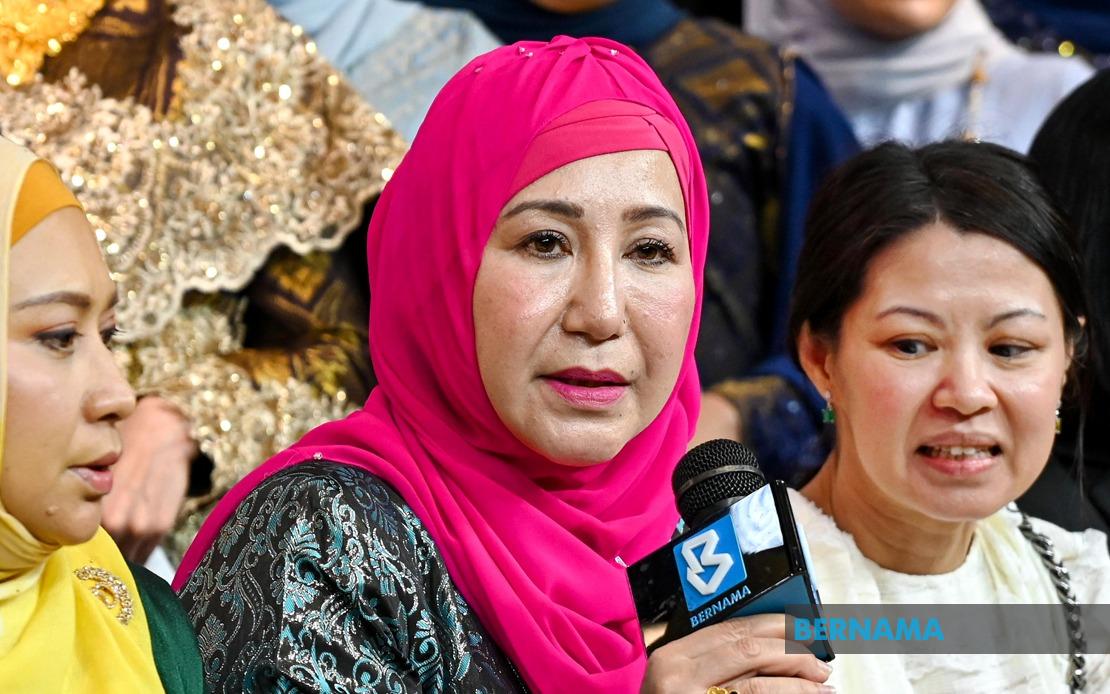
The Persatuan Usahawan Wawasan Wanita Malaysia (WAWASANITA) is moving forward with plans to create an integrated food manufacturing and packaging facility in Sungai Besar, marking an ambitious effort to transform how rural cottage industries operate and compete globally. The initiative represents a coordinated push to address structural weaknesses that have long hindered small producers from scaling their operations and accessing overseas markets.
Dr Norli @ Norlaili Alias, president of WAWASANITA, outlined the vision as a collaborative ecosystem bringing together more than 60 non-governmental organisations, commercial players, trade associations, and village leadership. This broad coalition signals recognition that rural economic development requires coordination across multiple stakeholders rather than isolated entrepreneurial efforts. The hub concept centres on consolidating production, quality control, and marketing under unified management, allowing individual producers to retain their distinct recipes and heritage while benefiting from shared infrastructure and distribution networks.
At its core, the food hub addresses a persistent challenge facing Malaysian rural manufacturers: the inability to achieve professional product presentation and consistency demanded by export markets. Poor packaging has historically served as a barrier preventing otherwise quality local products from reaching international buyers who prioritise shelf appeal and durability. By centralising these functions, producers gain access to modern packaging technology and quality assurance processes that would be prohibitively expensive to maintain individually.
The initiative envisions marketing consolidated products under an umbrella brand termed "Kerepek International," which would serve as a unified gateway to overseas distribution. This branding strategy allows disparate small manufacturers to maintain their individual identities while leveraging collective recognition and economies of scale. Such an approach has proven effective in other Southeast Asian economies where cottage industries have successfully penetrated international markets through cooperative frameworks.
WAWASANITA projects that participating entrepreneurs could achieve sales and profit margin increases of approximately 30 per cent through the hub arrangement. These figures derive from anticipated improvements in production efficiency, reduced per-unit packaging costs through bulk purchasing, and expanded market access. For rural producers currently operating at subsistence levels, such gains could represent transformational income improvements for family-based enterprises.
The timing of this initiative aligns with broader Malaysian government emphasis on rural economic diversification and value-added manufacturing. Rural and Regional Development Ministry involvement, demonstrated through the presence of Political Secretary Datuk Mohd Razlan Muhammad Rafii, suggests alignment with national development priorities. Beyond the food hub, concurrent efforts included presenting business opportunity letters to 20 Selangor entrepreneurs pursuing car detailing and mobile coffee ventures, reflecting broader support for diverse rural enterprise development.
The reference to Turkish sourcing or technology adoption warrants scrutiny regarding regional manufacturing competitiveness. Turkey has developed significant expertise in snack food production and packaging technologies, suggesting WAWASANITA may be exploring machinery partnerships or technical assistance arrangements. Such international collaboration could accelerate the hub's operational capabilities while building local expertise for long-term sustainability.
For Malaysian consumers, this initiative potentially improves access to premium-quality local snack products at competitive prices, as economies of scale reduce production costs. For the wider region, successful execution would demonstrate a replicable model for rural economic integration, potentially influencing similar initiatives across Southeast Asia where scattered cottage industries face comparable market access challenges.
The involvement of multiple UMNO politicians—including Sungai Besar UMNO chief Datuk Seri Jamal Md Yunos and Sungai Panjang state constituency coordinator Datuk Mohd Imran Tamrin—underscores the political dimensions of rural development initiatives. Such projects generate employment and economic activity in constituencies, becoming components of electoral strategies while simultaneously addressing genuine development needs.
Operational success will depend on maintaining quality consistency across multiple producers, managing shared facility administration, and developing reliable export logistics. These challenges have confounded previous cooperative manufacturing ventures in Malaysia, suggesting WAWASANITA must develop robust governance structures and conflict resolution mechanisms. The organisation's ability to coordinate diverse stakeholders with potentially competing interests will determine whether this hub evolves into a sustainable model or encounters the coordination failures that have undermined similar initiatives.
Looking forward, the food hub concept offers particular relevance for Malaysian women entrepreneurs, who frequently operate from home-based or micro-scale settings and lack access to capital for independent facility development. By aggregating multiple women-led enterprises, the hub could simultaneously advance economic development and gender equity objectives, demonstrating how structural interventions can address systemic disadvantages affecting women's entrepreneurial participation.
The initiative also reflects growing recognition that rural Malaysia's economic future lies less in commodity agriculture and more in value-added food manufacturing, craft production, and service-based enterprises. As global trade patterns shift and consumer preferences increasingly favour artisanal and heritage food products, positioned correctly, Malaysian rural snacks could capture premium market segments in developed economies seeking authentic, small-batch alternatives to industrially produced foods.

