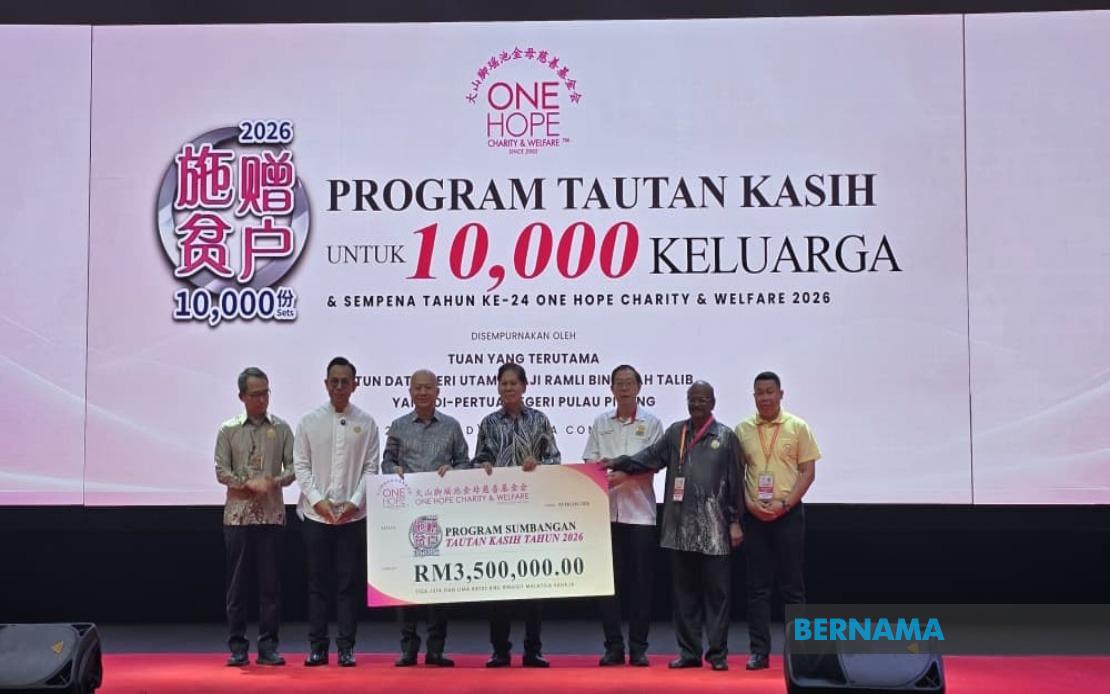
The need to fortify welfare systems remains crucial as Malaysia progresses economically, with Minister of Entrepreneur Development and Cooperatives Steven Sim Chee Keong emphasising that safety nets for those enduring hardship must evolve alongside national development. Speaking at an event in Butterworth, Sim underscored that prosperity cannot be measured solely through economic indicators when portions of the population lack adequate support mechanisms. His remarks came as the government continues to address inequality and ensure that rapid growth translates into improved living standards for all segments of society.
Sim articulated a fundamental principle that development and welfare provision must advance together, recognising that citizens face vastly different circumstances regardless of their work ethic or capabilities. He noted that periods of difficulty inevitably affect many Malaysians through unemployment, illness, or other unforeseen challenges, necessitating robust institutional responses. This perspective suggests a philosophical shift toward viewing welfare not as charity but as integral infrastructure for social stability. The minister's comments reflect broader policy discussions in Malaysia about balancing fiscal responsibility with expanding the social safety net.
The Penang-based remarks highlighted the particular importance of welfare policies during times when residents face economic pressure or personal crises. Sim characterised comprehensive welfare frameworks as expressions of societal values and commitments to collective well-being. He positioned such systems as foundational to national cohesion, particularly in a multi-ethnic society where shared responsibility for vulnerable populations strengthens broader social bonds. The presence of Penang Governor Tun Ramli Ngah Talib at the event underscored state-level engagement with welfare considerations.
One Hope Charity emerged as a practical exemplar of the welfare principles Sim advocated, demonstrating how civil society organisations can mobilise resources effectively. The charity's model of engaging businesses and individual donors has created a sustainable mechanism for distributing assistance across ethnic and religious boundaries. This inclusive approach reflects evolving Malaysian attitudes toward welfare provision, moving beyond traditional patronage models toward more systematic, transparent mechanisms. The organisation's ability to operate across conventional divides suggests potential pathways for other initiatives seeking to strengthen Malaysia's welfare ecosystem.
The scale of One Hope Charity's operations illustrates both the capacity of civil society and perhaps implicit gaps in government provision. Operating from its origins in Bukit Mertajam, the organisation has expanded to become one of Malaysia's largest welfare entities, distributing at least RM20 million annually. This magnitude indicates substantial community need and demonstrates that private and NGO sectors have stepped into spaces requiring attention. The geographic and sectoral expansion of the charity reflects how welfare demands have grown and diversified across Malaysian communities.
Distribution mechanisms employed by One Hope Charity provide insight into how welfare reaches vulnerable populations effectively. The organisation assisted over 10,000 families during the current year alone, with each household receiving assistance packages valued at approximately RM320 comprising essential goods and daily necessities. Additionally, RM200 in cash provided recipient autonomy in allocating funds according to individual circumstances. This combination of in-kind and monetary support addresses both immediate material needs and dignifies beneficiaries by recognising their capacity for independent decision-making.
Since 2021, One Hope Charity has channelled more than RM100 million into health and welfare initiatives, indicating sustained commitment to extending support across medical and social domains. The organisation's focus on medical assistance programmes and hospital support addresses critical gaps in healthcare accessibility for lower-income Malaysians. Partnerships with government health facilities suggest collaborative approaches where civil society complements public systems. This integration model offers lessons for policymakers considering how state and non-state actors can coordinate welfare delivery more effectively.
Looking ahead, One Hope Charity's 25th anniversary in the coming year will catalyse approximately RM30 million in new welfare initiatives, signalling continued expansion of services. Plans include broadening medical assistance programmes and implementing additional welfare schemes, suggesting the organisation anticipates rising demand for such services. The scale of planned interventions indicates confidence in both organisational capacity and the effectiveness of its operational model. Continued growth in such initiatives may ease pressure on government budgets while potentially highlighting systemic gaps requiring policy attention.
Malaysia's experience with One Hope Charity and similar organisations raises broader questions about sustainable welfare architecture. While private charitable efforts have proven valuable, their capacity remains limited relative to national population needs. The minister's emphasis on strengthening welfare policies suggests recognition that comprehensive protection requires government involvement alongside community initiatives. As Malaysia navigates demographic changes, economic shifts, and rising living costs, calibrating welfare provision to meet evolving needs will increasingly occupy policymakers' attention.
The integration of welfare considerations into discussions about national progress reflects changing political discourse in Malaysia. Minister Sim's framing positions welfare expenditure not as burden but as investment in social stability and national competitiveness. This reframing may facilitate broader political support for expanding assistance programmes. For citizens and communities across Malaysia, strengthened welfare systems promise greater resilience during personal crises and broader economic transitions. The vision articulated suggests a society intentionally designed to protect its most vulnerable members while fostering the unity essential for long-term national development.

