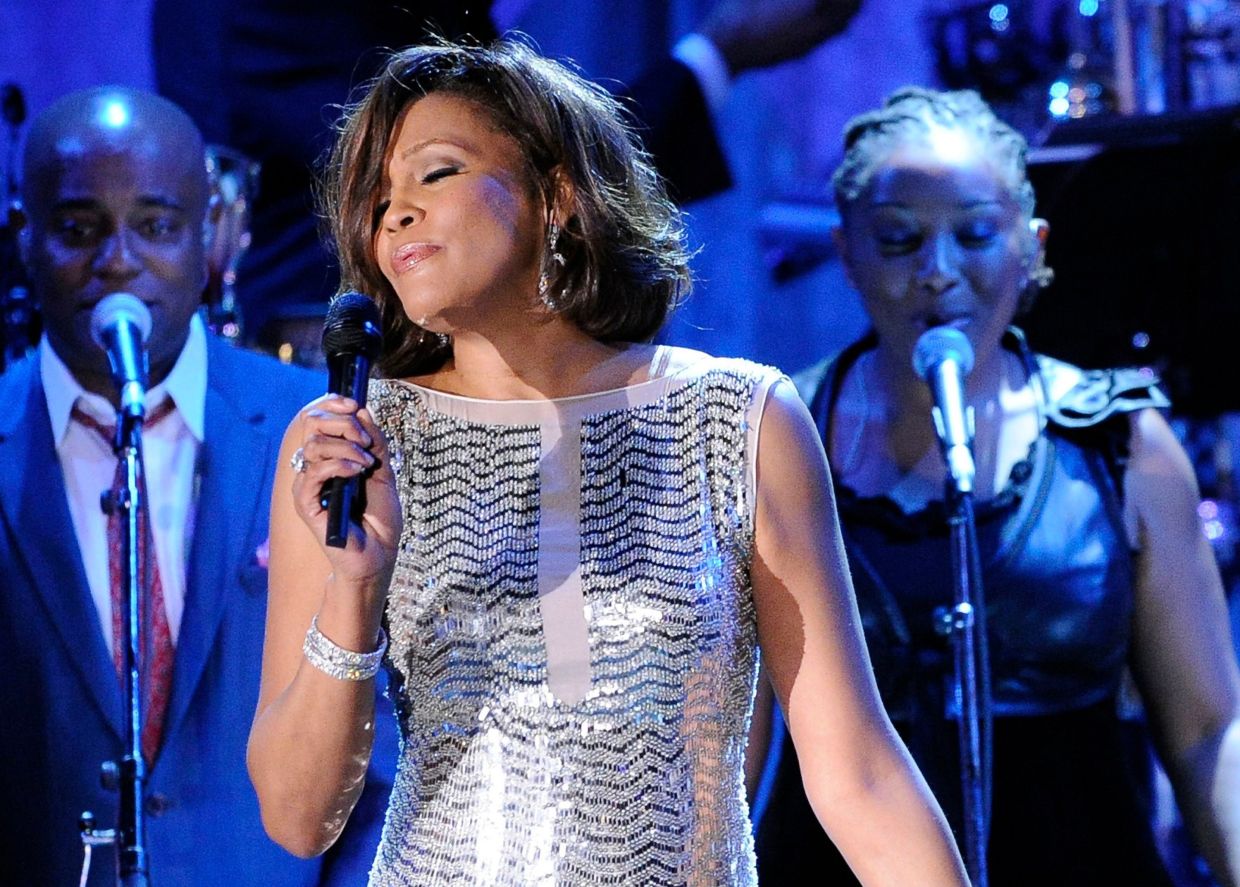
Next year will mark four decades since Whitney Houston released music that would define a generation, and her estate is now orchestrating an unprecedented multimedia tribute to cement her place in entertainment history. The initiative centres on a newly compiled album featuring all eleven of Houston's Billboard Hot 100 No.1 singles—a remarkable achievement that underscores her commercial dominance during her recording career. The collection arrives as part of broader birthday celebrations marking what would have been Houston's 63rd birthday on August 9, with the commemorative album serving as a comprehensive retrospective of her chart-topping dominance.
Running parallel to the music release is the first-ever Whitney Houston Barbie doll, produced by Mattel and launched on Houston's birthday itself. Pat Houston, who serves as executor of the estate and is the singer's sister-in-law, described the moment as deeply meaningful, noting that conversations about creating such a doll had occurred more than two decades earlier. The realisation of this decades-long vision speaks to a broader strategy of carefully stewarding Houston's cultural legacy across multiple entertainment platforms, ensuring her influence extends beyond traditional music consumption into contemporary collectors' culture and children's toy markets.
Pat Houston emphasised that Houston's No.1 hits compilation represents far more than mere chart statistics. The songs compiled in the collection served as soundtracks to the lives of millions globally, transcending their status as commercial successes to become cultural touchstones that defined entire eras of popular music. Houston's voice and artistic interpretation elevated these recordings beyond typical hit status—each represented a masterclass in vocal performance and emotional delivery that influenced subsequent generations of performers. The executive stressed that celebrating these achievements through a dedicated compilation was a natural and appropriate means of acknowledging Houston's unparalleled contribution to music history.
The Barbie partnership carries particular significance given Houston's iconic status and the toy manufacturer's history of creating dolls honouring influential women. Pat Houston detailed the emotional journey of collaborating with Mattel's creative team, describing the experience as both inspiring and validating of a long-held vision. Working closely with the company's designers and strategists reinforced the depth of care dedicated to representing Houston authentically and respectfully. The doll itself functions as more than merchandise—it serves as a tangible symbol of Houston's transcendent appeal and lasting cultural imprint across demographic boundaries.
The estate has also acknowledged the instrumental role played by music executive Clive Davis in shaping Houston's career trajectory and artistic development. Davis, who passed away in 2024, represented far more than a professional collaborator to Houston; their relationship embodied mutual respect and genuine affection that extended beyond business dealings. Pat Houston described Davis as someone who consistently championed Houston's talents and recognised her unique gifts, with their relationship forming a foundational partnership that produced some of popular music's most enduring recordings. Houston herself would have acknowledged that while she possessed innate talent and technical craft, Davis provided the strategic guidance and industry expertise that enabled her voice to reach global audiences.
Regarding future projects, Pat Houston remained deliberately circumspect, declining to announce specific initiatives while confirming that multiple proposals continuously emerge for consideration. The estate's approach reflects a careful balancing act between capitalising on Houston's enduring popularity and avoiding oversaturation of the entertainment market with projects lacking genuine artistic merit or purpose. This measured strategy ensures that any future releases—whether films, performances, or recordings—maintain the quality standards and respectful treatment that Houston's legacy demands. The executive made clear that decision-making prioritises artistic integrity and meaningful contribution over simply maximising commercial opportunity.
When asked directly about the possibility of a biographical film in the style of recent music biopics like the Michael Jackson project, Houston's estate representatives avoided definitive commitments whilst acknowledging that such ventures represent the type of major undertaking under active consideration. The catalogue of Houston's work is sufficiently comprehensive and dramatically rich to support a major motion picture, yet the estate appears intent on ensuring that any such project would be undertaken with appropriate resources, creative vision, and respect for Houston's multifaceted life and career.
A significant focus for Pat Houston involves releasing previously unseen live performances and concert recordings that have circulated in limited fashion among collectors and international audiences but remain unknown to North American viewers. Houston's performing artistry, captured in footage spanning her entire career, represents an untapped resource for audiences who never witnessed her live capabilities firsthand. These archival performances showcase technical mastery and emotional intensity that studio recordings, while exceptional, cannot fully capture. The estate recognises that releasing such material would provide unprecedented insight into Houston's artistry and her unparalleled command of live performance.
Houston's vocal prowess remains the through-line connecting all these various projects and initiatives. Her voice represented a singular phenomenon in popular music—technically accomplished, emotionally resonant, and entirely distinctive. The passion she brought to recordings and performances transcended genre boundaries, enabling her to become a truly global artist whose appeal crossed cultural, geographical, and generational lines. Her artistry extended beyond mere technical proficiency to encompass a rare ability to convey profound emotion and human connection through vocal delivery alone.
The estate's measured approach to Houston's legacy reflects broader lessons about celebrity stewardship in the modern entertainment era. Rather than pursuing every available opportunity to monetise a deceased artist's name and likeness, the Houston estate appears committed to a longer-term strategy emphasising quality and cultural relevance. This philosophy suggests that projects will emerge thoughtfully over coming years, each designed to deepen public understanding and appreciation of Houston's contributions to music, film, and popular culture. The emphasis on purpose-driven initiatives rather than opportunistic commercialisation may ultimately serve Houston's reputation and legacy more effectively than aggressive, rapid-fire releases.
For Malaysian and Southeast Asian audiences, Houston's legacy resonates through her universal appeal and the way her music transcended cultural boundaries during the 1980s and 1990s. Her influence on contemporary regional artists remains substantial, with many citing her as a foundational inspiration for their own vocal development. The upcoming projects promise to reintroduce new generations across Asia to an artist whose impact on global popular music remains largely underappreciated outside Western markets. The estate's international perspective, evidenced by plans to release previously unavailable performances to global audiences, acknowledges that Houston's cultural significance extends far beyond her primary commercial markets.

