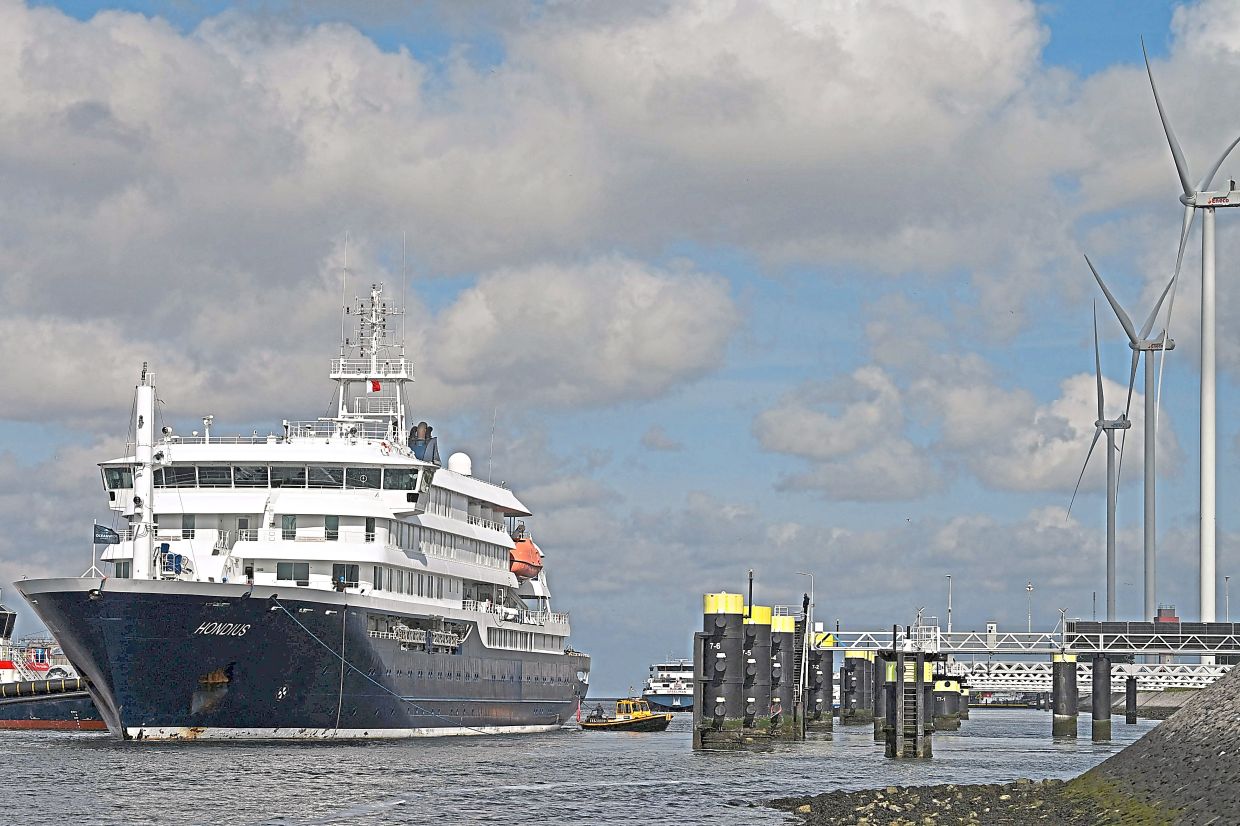
The World Health Organization has formally declared the conclusion of a hantavirus outbreak that emerged aboard the MV Hondius, a Dutch-flagged polar exploration vessel, marking the end of an international health episode that generated significant concern across multiple continents. The final affected individual completed their mandatory quarantine period on July 2, tested negative for the virus, and was cleared to return home, providing the last clinical confirmation needed for WHO to classify the outbreak as concluded.
The outbreak produced 12 confirmed cases and one probable case linked to the cruise ship, resulting in three deaths among passengers and crew members. The infection cluster originated during a voyage that departed from Ushuaia, Argentina on April 1, 2026, and traversed remote and isolated regions of the South Atlantic Ocean, including the extremely isolated Tristan da Cunha archipelago before moving northward toward Spain. The ship eventually reached Tenerife in the Canary Islands, where remaining passengers were evacuated following detection of the outbreak, and subsequently sailed to Rotterdam in the Netherlands on May 18 for decontamination procedures.
WHO Director-General Tedros Adhanom Ghebreyesus announced the outbreak's conclusion at a formal press briefing, noting that no additional cases had been identified since May 25. He highlighted that the final person exposed to the virus completed their quarantine successfully and returned a negative test result, providing the epidemiological basis for declaring the outbreak contained. The statement underscored the coordinated international response that had been necessary to manage an infectious disease crisis aboard a vessel operating in remote ocean regions far from conventional medical infrastructure.
The scale of the contact tracing operation underscores the challenges posed by outbreaks aboard international vessels. Health authorities across 33 countries and territories identified and monitored more than 650 individuals who had been exposed to confirmed or suspected cases. This vast geographic dispersion reflected the international nature of cruise ship populations and the reality that passengers and crew originated from numerous nations, carrying the virus's potential reach across multiple borders and health systems.
Hantavirus itself remains a significant public health concern despite the containment of this particular outbreak. The pathogen is naturally transmitted through rodent populations and is endemic in the Americas, with particular prevalence in South America. The virus is noteworthy because it currently lacks approved vaccines and no specific antiviral treatments have been developed, placing management strategies firmly in the realm of supportive care and prevention. The Andes species, which caused the MV Hondius outbreak, holds the distinction of being the only known hantavirus strain capable of sustained human-to-human transmission, a characteristic that elevated the seriousness of this maritime cluster.
Though the acute outbreak phase has concluded, WHO has committed to ongoing scientific investigation into the episode and the virus itself. The organization is coordinating a comprehensive multinational research initiative involving 21 countries designed to illuminate how hantavirus infection develops and progresses within infected individuals. This collaborative study aims to generate crucial epidemiological and clinical knowledge that will inform the development of improved diagnostic tools, therapeutic interventions, and ultimately vaccines to protect against future outbreaks.
The MV Hondius outbreak carries particular relevance for maritime safety protocols and disease prevention aboard passenger vessels operating in remote regions. Polar and expedition cruise ships typically visit isolated locations with limited healthcare infrastructure, making containment and management of infectious diseases substantially more difficult than outbreaks occurring on conventional cruise routes with regular port access. The need to evacuate remaining passengers mid-voyage and conduct extensive decontamination demonstrated the operational disruption that serious infectious disease clusters can impose on international marine travel.
For epidemiologists and public health professionals, the MV Hondius incident provides valuable lessons in outbreak investigation and response coordination. The ability to rapidly identify 650 contacts across 33 jurisdictions, establish effective quarantine protocols, and prevent secondary transmission chains during the voyage's final stages represents a successful application of international health surveillance mechanisms. However, the outbreak also exposed vulnerabilities in shipboard disease detection and response procedures, particularly in early identification of unusual illness clusters among passengers in remote locations.
The investigation into the outbreak's origin remains an area of ongoing scientific interest. Understanding how hantavirus initially infected cruise ship passengers and crew, and whether infection occurred before boarding or during the voyage, holds implications for preventing similar incidents. The MV Hondius was engaged in polar expedition tourism, visiting some of Earth's most remote inhabited locations, raising questions about environmental exposures and transmission pathways that might differ from typical hantavirus infection scenarios.
Moving forward, the formal conclusion of the outbreak provides an opportunity to implement improved protocols for polar and expedition cruises. Enhanced screening procedures for ill passengers, rapid laboratory capacity at ports of call, and refined isolation procedures aboard ships operating in remote regions could collectively reduce the risk of future outbreaks or limit their spread. The WHO's commitment to research partnerships with 21 nations demonstrates recognition that hantavirus preparedness requires sustained international investment in diagnostics, therapeutics, and ultimately preventive measures.
For Southeast Asian travellers and cruise operators, the MV Hondius outbreak illustrates the importance of understanding infectious disease risks associated with polar and remote-region exploration tourism. While hantavirus primarily affects the Americas, the incident underscores how rapidly infectious diseases detected aboard international vessels can spread across multiple continents. The WHO's successful containment and investigation of this outbreak provides reassurance regarding international health system responsiveness, yet also highlights the necessity of continued surveillance and preparedness for emerging infectious threats posed by modern cruise ship operations.

