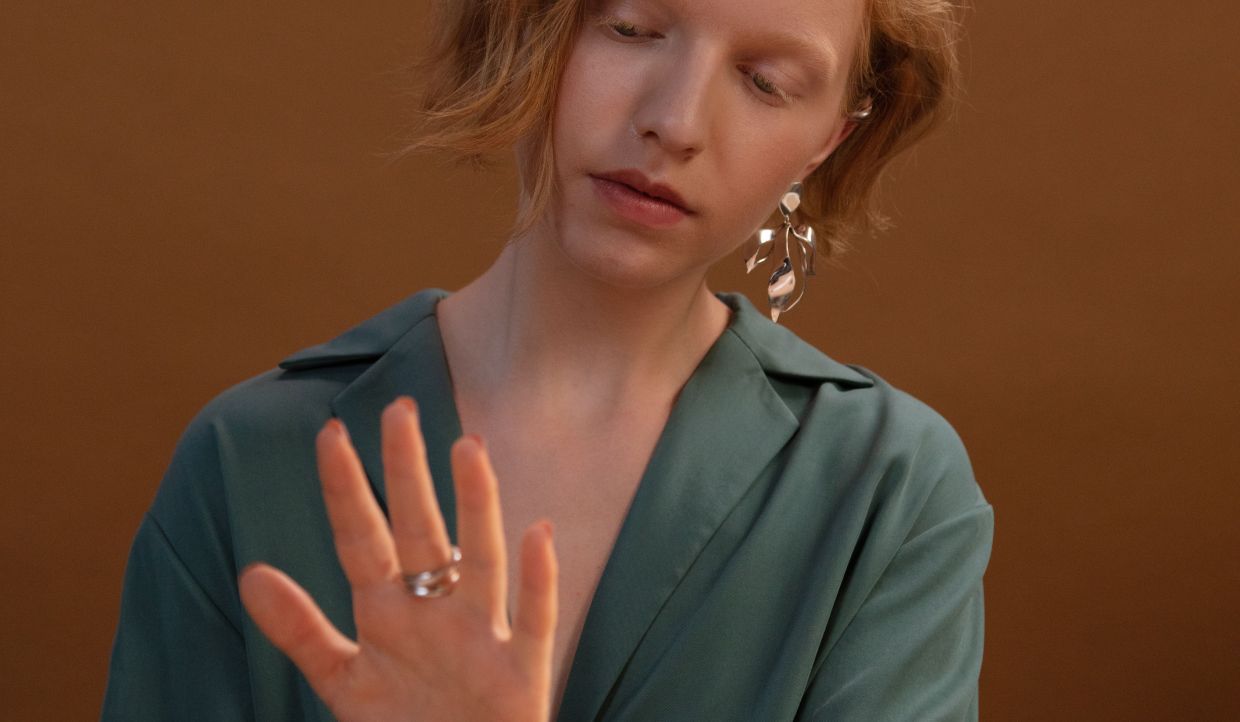
The fashion world has moved decisively away from the notion that jewellery belongs locked away until a gala or formal dinner arrives. Instead, a growing number of style authorities argue that adorning yourself daily with your finest pieces represents a more authentic and joyful approach to fashion. This shift in thinking reflects broader changes in how we view luxury, self-expression, and the relationship between opulence and everyday life.
Coco Chanel's enduring influence on this philosophy cannot be overstated. A 1935 portrait by Man Ray captured the legendary designer in studied casualness—black dress, black hat, hands casually pocketed—yet draped in strands of pearls and enormous bejewelled cuffs that demanded attention. Chanel understood that jewellery's purpose transcended making someone appear wealthy; rather, it served as adornment in the truest sense, a personal statement about how one wished to present oneself to the world. Her famous assertion that "the point of jewellery isn't to make a woman look rich but to adorn her" continues to guide contemporary fashion thinking more than a century later. She embodied this philosophy throughout her life, treating each day as an opportunity for personal embellishment.
For decades, rigid conventions governed when jewellery could appropriately be worn. White was reserved for the season between Memorial Day and Labour Day. Gold and silver were never to be mixed. Three pieces represented an absolute maximum for any outfit. These rules reflected a particular era's anxieties about taste and propriety, yet they served primarily to restrict rather than enhance personal expression. Modern fashion has systematically dismantled these constraints, recognising that arbitrary restrictions rarely lead to genuine style or satisfaction.
French stylist Carlyne Cerf De Dudzeele exemplifies this liberated approach to jewellery wearing. Her personal aesthetic deliberately juxtaposes high and low elements—pairing simple jeans and sweatshirts with dramatic gold chains stacked in abundance. She maintains no distinction between costume and fine pieces; what matters is the visual impact and emotional resonance. Cerf De Dudzeele wears her jewellery everywhere, whether backstage at fashion shows, during photo shoots, or navigating the unglamorous aspects of her profession that involve long hours managing garment bags and pinning clothes while kneeling. This consistency demonstrates that jewellery's true value lies not in its exclusivity but in its power to transform and uplift the wearer's daily experience.
The contrast between ornate jewellery and humble everyday clothing creates what Cerf De Dudzeele identifies as the essence of modern style. A gold chain glittering against a simple sweatshirt, a jewelled cuff peeking from beneath rolled-up jeans—these combinations capture contemporary aesthetic sensibility far better than evening wear weighted down with coordinated jewellery and formal dress. The juxtaposition itself becomes the statement, suggesting confidence and intentionality rather than adherence to tradition.
However, wearing eye-catching jewellery daily does carry practical considerations that differ from the protected environment of formal events. Jewellery carries psychological weight beyond its physical substance; it triggers associations with luxury, leisure, and elevated social status in ways that other clothing items typically do not. In environments where such displays are uncommon, wearing substantial jewellery can attract unwanted attention and commentary, creating discomfort for those unaccustomed to standing out. The social risk varies significantly by location, culture, and context.
Cerf De Dudzeele has become increasingly attuned to these environmental factors as her career has progressed. She no longer wears her most eye-catching pieces on public transportation, a practical acknowledgment that certain settings demand modified approaches. This nuanced stance—maintaining one's commitment to adornment while exercising contextual awareness—represents the mature evolution of daily jewellery wearing. It is not about abandoning the principle but rather applying it intelligently.
There exists another compelling argument for daily jewellery wearing rooted in childhood psychology. Children have not yet internalised society's inhibitions about dress and adornment; they happily wear tiaras to school, cover themselves in costume jewellery without irony, and express themselves through dramatic clothing choices that adults have learned to suppress. This uninhibited approach to personal presentation reflects an authentic relationship with ornamentation that many adults have forgotten or consciously abandoned. Reconnecting with that earlier version of ourselves might prove more liberating than continuing to follow rules we never fully agreed with.
The practical argument for daily jewellery wearing ultimately rests on subjective happiness and personal joy. If a particular bracelet, ring, or necklace makes you smile when you catch its glint, if it brings you pleasure throughout the day, then wearing it frequently rather than reserving it for rare occasions makes considerable sense. The moments when a beautiful piece interrupts the monotony of routine tasks—when light catches a stone during a mundane afternoon, when you notice your own bracelet and feel a small spark of delight—these constitute genuine, if subtle, acts of self-care.
This philosophy extends beyond vanity or materialism into something more philosophical about how we structure joy in our lives. Expensive items locked away diminish in value; their utility exists only in the future, in the distant event deemed significant enough to justify their display. By contrast, wearing them regularly transforms them from possessions into daily companions, sources of quiet pleasure that accompany us through ordinary moments. Each morning becomes an opportunity to gift yourself a small moment of beauty, a tangible reminder that the world contains colour, magic, and reasons for happiness beyond major events or achievements.
The shift toward daily jewellery wearing represents a rejection of deferred gratification and scarcity mindset in favour of abundance and present-moment joy. It suggests that adorning yourself is not a luxury reserved for the notable few or for special occasions, but rather a fundamental right and source of daily contentment available to anyone willing to claim it. This modern perspective aligns jewellery wearing with wellness and self-care rather than ostentation or social aspiration.

