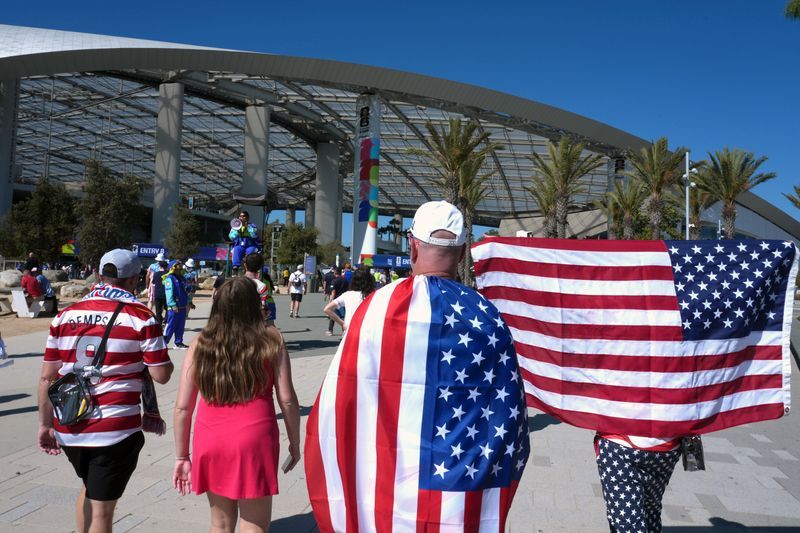
The festive excitement of attending the FIFA World Cup turned into holiday heartbreak for dozens of fans across North America when StubHub cancelled their orders at the eleventh hour, leaving them without the matches they had purchased months in advance. Jeremy Wright, who bought two tickets to the Netherlands versus Japan encounter on June 14 as a Christmas gift for his wife Sarah, received an email just five hours before kickoff informing him that his tickets could not be delivered. The couple had driven from Austin to Dallas in anticipation, only to face a devastating reversal when StubHub offered them either replacement tickets—which proved unavailable—or a full refund, effectively forcing them to miss the match they had planned to attend.
The Wright family's experience was far from isolated. Multiple angry purchasers flooded social media this month with similar tales of last-minute cancellations, accusations of broken promises, and the platform's "FanProtect Guarantee" proving inadequate when sellers failed to deliver tickets. Dacy Gillespie, a writer and personal stylist from St. Louis, faced an identical nightmare when she purchased four tickets to Argentina's June 16 match against Algeria as a surprise Christmas present for her two sons. After driving approximately 250 miles to Kansas City on matchday, an email notification shattered her plans: the seller could not fulfil the order. For many families, the financial impact extended beyond the ticket price itself—travel expenses, accommodation costs, and the emotional disappointment of unfulfilled promises compounded the frustration.
At the heart of these technical and logistical failures lies a practice known as "speculative ticketing," which transforms ticket resale into something resembling stock market speculation. According to Scott Friedman, a ticketing industry expert who previously worked with the Cleveland Cavaliers and currently directs the Ticket Talk Network, sellers list tickets they do not yet own, betting they can purchase them later at a lower price and pocket the difference. A seller might list a ticket for $500 six months in advance, hoping to acquire it for less and profit from the transaction. This strategy works reasonably well when secondary market prices typically decline as events approach, but World Cup ticket prices defied that pattern—they climbed continuously as the tournament drew nearer, leaving speculators unable to fulfil orders without absorbing losses.
The structural vulnerability in StubHub's model centers on what industry observers call "ghost tickets." The platform's policies formally prohibit speculative ticketing, yet the company does not require sellers to provide seat numbers when listing inventory, making it nearly impossible to verify whether a seller actually possesses or has legitimate access to the tickets. Jeremy Wright's purchase exemplified this problem: he bought his tickets on September 6, 2025, four days before FIFA even launched its first official sales draw, meaning his tickets were almost certainly listed by a speculator. His order confirmation revealed only that seats were in the "Category 3" section, with no specific seat designations—a red flag that the seller likely never held the actual tickets in hand.
StubHub contends that it enforces strict seller accountability through policies requiring sellers to upload tickets or provide proof of purchase at the time of listing, with financial penalties and account suspension as consequences for misrepresenting inventory. However, the enforcement gap between policy and practice appears cavernous. The company also attributes the cancellation crisis partly to FIFA's ticketing infrastructure, claiming that the governing body's systems are affecting ticket transfers across all resale platforms. This assertion shifted blame upward to FIFA itself, adding another layer of complexity to an already fractured ticketing ecosystem.
FIFA, for its part, rejected suggestions that its infrastructure caused the problems, insisting that its official ticketing platform operates reliably at scale. The governing body had explicitly urged fans to use only its official resale marketplace, which it described as the only avenue through which proper ticket delivery could be guaranteed. Yet FIFA's official platform extracts a 30 percent commission on resales—a fee the organisation justifies as aligned with North American industry standards but which prices tickets significantly higher than alternative resale sites. This premium deterred many buyers like Dacy Gillespie, who found FIFA's own platform "convoluted and confusing" and therefore gravitated toward StubHub, inadvertently exposing themselves to speculative sellers and unfulfilment risks.
The tension between FIFA's official platform and third-party resellers like StubHub reflects a broader regulatory vacuum in the international sports ticketing space. FIFA launched dynamic pricing for the first time at this World Cup, a system that automatically adjusts ticket values based on demand—another innovation that attracted criticism from cost-conscious fans. The combination of dynamic pricing, unfamiliar platforms, aggressive speculation, and inadequate fraud prevention created a perfect storm for consumer harm. Fans complained that they had been given false assurances through StubHub's guarantee programme, only to discover that the company's capacity to honour those guarantees hinged entirely on the availability of inventory from sellers who increasingly could not or would not deliver.
Only after the Wrights and Gillespie escalated their grievances on social media, generating viral attention, did StubHub respond meaningfully. The company offered the Wrights complimentary seats to a semi-final match and provided Gillespie with $3,000 to offset her costs in purchasing replacement tickets. This reactive posture—where only publicly shamed customers received meaningful compensation—underscored the platform's lack of proactive consumer protection. As Sarah Wright herself noted, the experience created what she described as a "survivor's guilt" feeling, raising the uncomfortable question of how many other affected fans never received comparable remedies because their posts did not gain traction online. StubHub subsequently announced the creation of a dedicated World Cup support team and expanded capacity to source replacement tickets, but these measures appeared reactive rather than preventative.
The reputational stakes for StubHub extend well beyond this tournament. Marsha-Gaye Knight, a clinical assistant professor at the NYU Tisch Institute for Global Sport, cautioned that the World Cup ticketing failures could inflict lasting damage on the company's brand credibility. This assessment gains urgency in light of recent regulatory action: the UK's markets watchdog this week ordered StubHub UK to refund more than 50,000 customers and pay a £900,000 fine for failing to display total prices upfront—a separate but related consumer protection failure that suggests systemic issues across the company's operations.
For Malaysian and Southeast Asian sports fans, the StubHub saga carries important implications for future major tournaments in the region. As ticketing platforms become increasingly globalised and as dynamic pricing becomes standard practice, the vulnerabilities exposed at the World Cup—inadequate seller verification, speculative practices, enforcement gaps, and platform conflicts with official organisers—represent cautionary lessons. The incident demonstrates that consumer protections in the sports ticketing industry remain inconsistently applied, that viral social media amplification has become a necessary substitute for proper customer service, and that the racing of profit maximisation in resale markets can directly undermine fan access to premier sporting events.
Moving forward, the World Cup experience suggests the need for harmonised regulations governing resale platforms, stronger verification requirements for sellers before inventory is listed, and clearer delineation of responsibility between official organisers and third-party resellers. The current approach—where FIFA maintains formal distance from platforms like StubHub while simultaneously blaming their infrastructure failures—creates accountability gaps that ultimately harm consumers. For fans across the region contemplating participation in future sporting mega-events, the lesson is clear: the Wild West of secondary ticketing remains treacherous terrain, and official channels, however expensive or cumbersome, may yet prove the safer choice.

