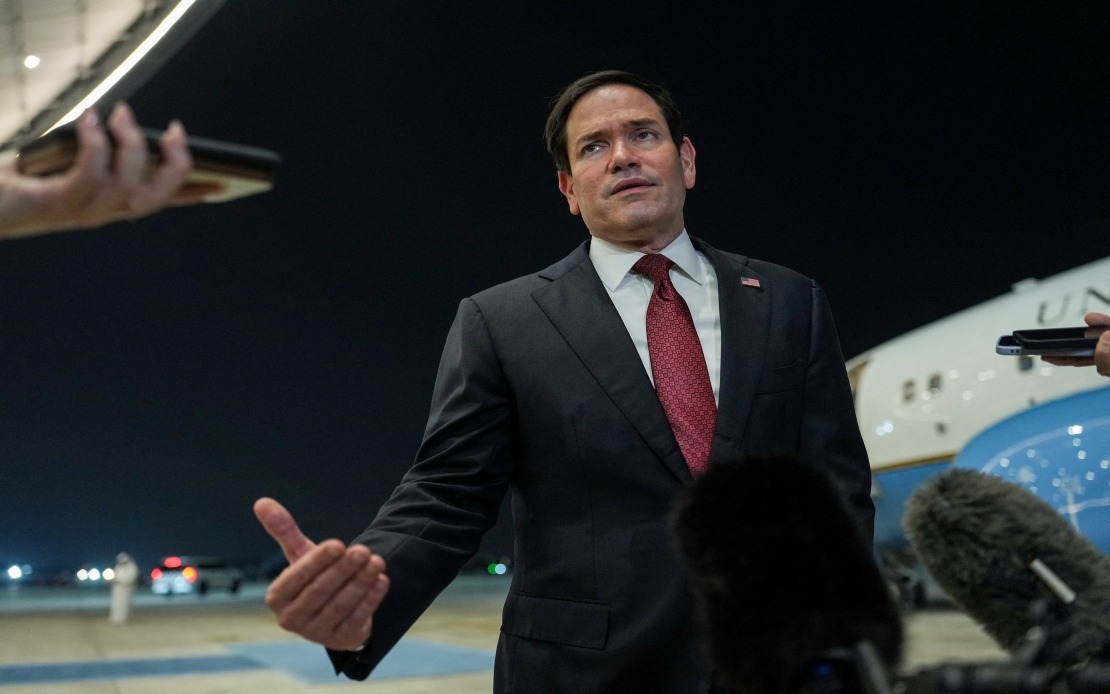
The United States and China are moving forward with preparations for a high-level presidential summit despite heightened diplomatic friction between the two nations. US Secretary of State Marco Rubio confirmed on Sunday that Chinese President Xi Jinping's visit to America remains on track for September, signalling that both Washington and Beijing remain committed to maintaining top-level engagement despite their disagreements. Rubio's statement provides reassurance that the scheduled meeting, originally announced during President Donald Trump's May visit to Beijing, will proceed as planned on September 24.
Rubio disclosed that Chinese officials continue to organise preparatory teams and delegations to coordinate logistics for the presidential visit. The ongoing coordination between both sides suggests that despite public tensions and accusations, the diplomatic machinery remains functional at working levels. This behind-the-scenes coordination work typically involves security arrangements, protocol planning, and substantive agenda-setting that must be completed weeks in advance of such a consequential meeting.
The secretary of state's confidence in the visit's prospects contrasts sharply with the inflammatory rhetoric emanating from Washington just days earlier. President Trump had accused China of interfering in the 2020 US presidential election, an election he lost to Joe Biden. Beijing promptly rejected these allegations, characterising them as unfounded and politically motivated. Such accusations could easily derail diplomatic schedules, yet both governments appear determined to compartmentalise these disputes and maintain the diplomatic calendar.
Rubio emphasised that friction between major powers is natural and unavoidable, particularly between nations with competing interests across multiple domains including trade, technology, and regional security. However, he underscored that the United States and China share a mutual responsibility to sustain dialogue channels and nurture bilateral relations, not merely for their own national interests but for global stability and prosperity. This framing reflects a recognition that US-China relations have implications far beyond bilateral concerns, affecting economies and security arrangements across the Indo-Pacific and globally.
For Southeast Asian nations, including Malaysia, such high-level US-China engagement carries significant regional implications. The planned summit occurs during a period when Beijing and Washington are competing for influence across ASEAN, and decisions made during presidential-level meetings often reverberate through regional policies. The September meeting could shape US and Chinese approaches to regional trade, security partnerships, and technology standards that directly affect Southeast Asian economies and political alignments.
An immediate opportunity for informal discussions between American and Chinese officials emerged through the Association of Southeast Asian Nations foreign ministers' meeting scheduled for Tuesday in Manila. Rubio was travelling to this ASEAN gathering when he made his remarks, and Beijing confirmed that Chinese Foreign Minister Wang Yi would attend. Such regional multilateral forums often provide valuable channels for major powers to hold side conversations and test the diplomatic waters before formal bilateral summits.
The ASEAN foreign ministers' meeting represents an ideal venue for both American and Chinese diplomats to gauge each other's positions and perhaps narrow differences on issues that might be addressed during Xi's Washington visit. Regional forums hosted by ASEAN have historically served this purpose, allowing major powers to advance their bilateral agendas while maintaining the multilateral framework that Southeast Asian nations have worked to preserve.
China's Foreign Ministry offered a measured response to enquiries about the visit, confirming that both governments maintained contact regarding the meeting later in the year. This diplomatic language suggests Beijing views the visit as sufficiently important to preserve despite recent tensions. The Chinese government's willingness to continue preparations indicates that Xi's trip to Washington remains a priority within Beijing's diplomatic strategy, particularly given the significance of president-to-president meetings in Chinese political culture.
The decision to proceed with the visit despite current tensions demonstrates that both superpowers recognise the necessity of maintaining dialogue even amid disagreement. This approach reflects a mature understanding that in a complex, interdependent world, suspending high-level communication rarely resolves underlying disputes and frequently exacerbates tensions. The alternative—allowing diplomatic channels to atrophy—would be far more damaging to global stability.
For Malaysia and other ASEAN members, the confirmation of Xi's September visit provides a measure of predictability in an otherwise volatile geopolitical environment. It suggests that despite their differences, the US and China remain committed to managing their relationship through structured engagement. This commitment to dialogue, even under strain, offers Southeast Asian nations opportunities to pursue their own interests and maintain room for manoeuvre between competing powers. However, the outcome of the September summit will likely redefine regional dynamics in ways that may require careful navigation by ASEAN nations seeking to balance relations with both Washington and Beijing.

