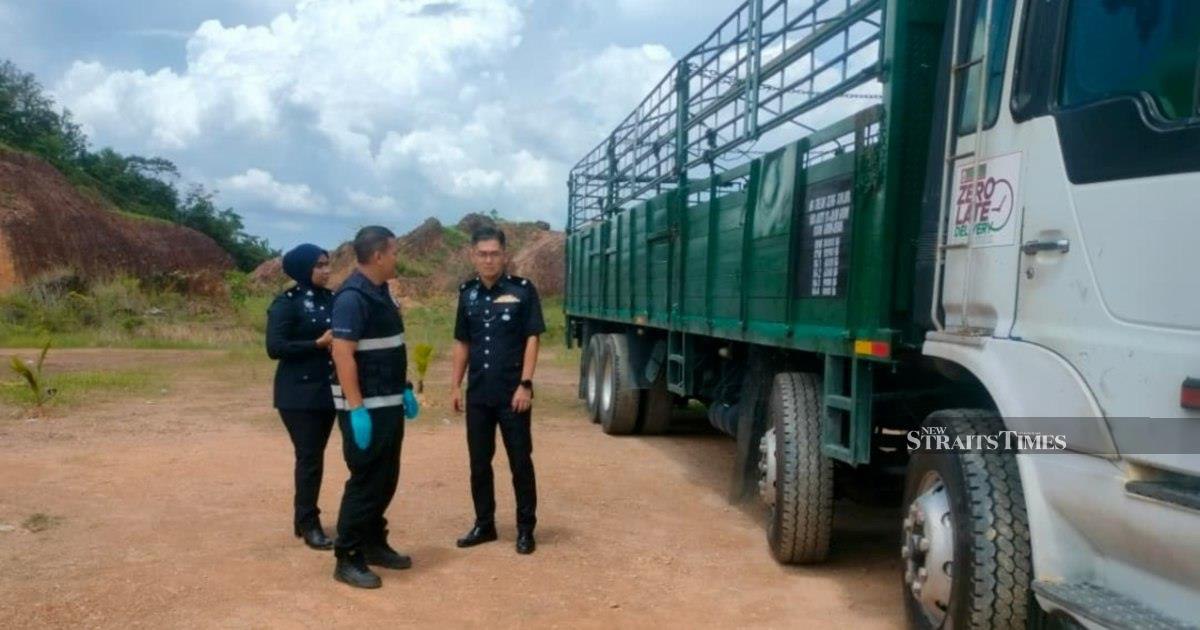
A devastating accident has claimed the life of a young child in Sungai Petani after she was struck by a reversing lorry in the driveway of her family home in Kampung Bukit Kuang. The 2-year-old girl sustained fatal injuries from the collision, prompting authorities to take action as they piece together how the tragedy unfolded. Police responded swiftly to the incident and have detained the vehicle's operator—the child's grandfather, a 61-year-old man—to assist with their investigation into the circumstances that led to her death.
Driveway and residential accidents involving vehicles remain a persistent safety concern across Malaysia, where families often face unexpected dangers in spaces they consider secure. Young children are particularly vulnerable in such environments, as their smaller stature makes them difficult for drivers to see, especially during reversing manoeuvres when visibility is inherently compromised. This incident underscores the critical importance of heightened awareness among caregivers and operators when vehicles are in motion near inhabited areas where children may be present.
The investigation into the incident will likely examine several factors that contributed to the tragedy. Authorities will assess whether visibility around the vehicle was obstructed, whether warning systems were functional, and whether appropriate safety measures were in place before the reversing operation commenced. Understanding these details is essential not only for the family involved but also for identifying patterns that could help prevent similar incidents from occurring elsewhere in the community.
The detention of the grandfather represents a standard investigative procedure rather than an automatic assignment of culpability. Police typically interview those directly involved in fatal accidents to establish timelines, gather witness statements, and determine whether any criminal negligence or violations of traffic regulations occurred. The questioning process may also explore whether the child had supervision at the moment of the incident and whether she had wandered into the vehicle's path unexpectedly.
Tragedies of this nature reverberate throughout local communities and raise awareness about residential safety protocols that are often overlooked in daily routine. Parents and guardians frequently assume that private driveways represent safe spaces where children can play or move freely, yet stationary or moving vehicles present serious hazards that demand constant vigilance. The incident serves as a painful reminder that catastrophe can strike without warning, even in familiar surroundings.
In Malaysia, such accidents have prompted ongoing discussions about vehicle safety features, reversing camera technology, and the adoption of proximity sensors that alert drivers to obstacles behind their vehicles. While modern vehicles increasingly incorporate such technologies, many older vehicles operating on Malaysian roads lack these protective systems. Accessibility and affordability of safety upgrades remain barriers for many households, particularly in rural and semi-urban areas like Kampung Bukit Kuang.
The role of supervision in residential safety cannot be understated in this context. Young toddlers require constant observation, yet the dynamics of household activity—cooking, cleaning, and other domestic tasks—can create momentary gaps in attention. Teaching children about vehicle awareness from an early age, while simultaneously ensuring that drivers maintain heightened caution around residential properties, represents a dual approach to prevention that communities across Southeast Asia would benefit from adopting more systematically.
For the extended family involved in this tragedy, the investigation represents not only a procedural necessity but also an opportunity to understand how such a loss could occur. The grandfather's cooperation with authorities will be crucial in reconstructing events, and his experience with operating the vehicle may provide insights into whether mechanical failure, human error, or unforeseen circumstances precipitated the collision. Such investigations often identify systemic issues that extend beyond a single incident.
The broader implications of this case extend to local government and community organisations in Kedah, where awareness campaigns about residential vehicle safety could save lives. Public education initiatives highlighting the risks of reversing vehicles, the importance of checking surroundings before operating machinery, and the vulnerability of young children could help foster a culture of greater caution. Kampung Bukit Kuang and similar residential areas would benefit from such proactive measures.
As the investigation progresses, the focus will remain on establishing a comprehensive account of the incident while providing answers to the grieving family. The Sungai Petani police will work methodically through available evidence and witness testimony to determine whether this was a tragic accident or whether any negligence contributed to the child's death. The outcome of this investigation may inform future safety recommendations and policy discussions at both state and national levels regarding residential vehicle operations.
This incident reminds Malaysians of the importance of treating residential environments as spaces where vehicle operation demands the same level of care and attention as on public roads. The loss of a young life in such circumstances galvanises community reflection on how families and neighbours can collectively work to reduce risks and protect the most vulnerable members of society from preventable tragedy.

