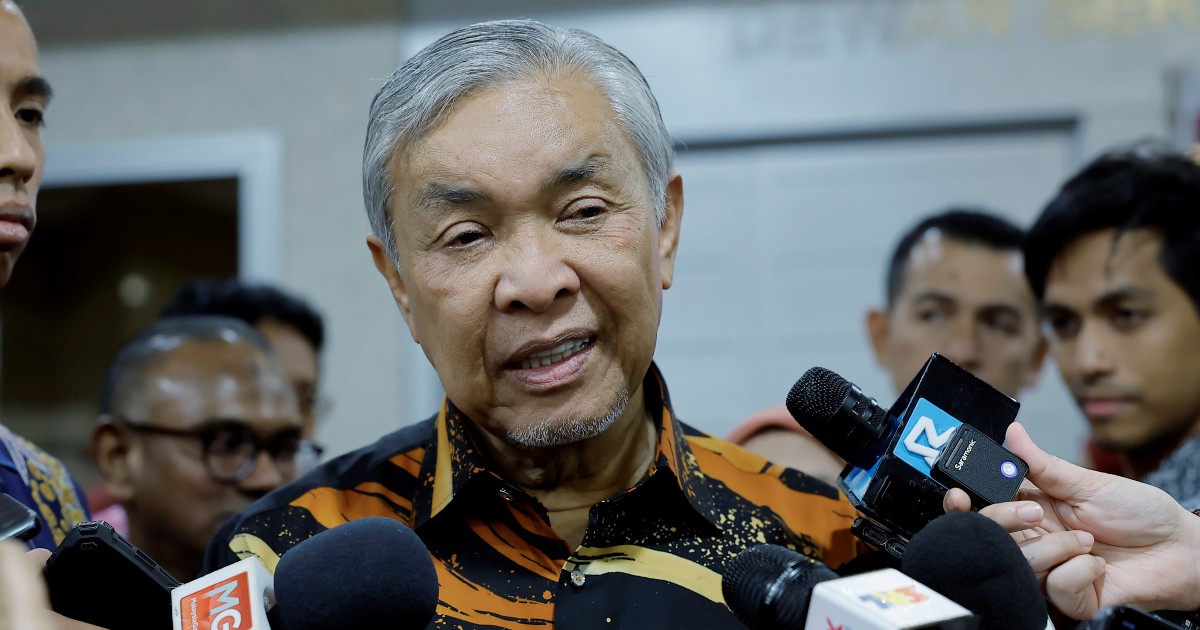
Barisan Nasional chairman Datuk Seri Dr Ahmad Zahid Hamidi has moved to quell growing scepticism surrounding the appointment process for Negri Sembilan's Menteri Besar, insisting that detractors fundamentally misunderstand how Malaysia's political machinery operates. Speaking in Putrajaya, Zahid rejected suggestions that outside forces had shaped the outcome, instead framing the controversy as evidence of public unfamiliarity with established procedures.
The appointment has become a flashpoint within Malaysian political discourse, triggering scrutiny from both opposition figures and within ruling coalition circles regarding the transparency and legitimacy of the selection mechanism. Rather than engaging substantively with specific procedural questions, Zahid characterised the criticism as symptomatic of broader political naiveté, suggesting that those raising concerns lacked comprehension of how state-level leadership transitions function within Malaysia's federal structure.
Zahid's dismissive tone reflects a broader pattern among senior Barisan Nasional figures, who have increasingly resorted to rhetorical positioning rather than detailed explanations when facing institutional scrutiny. The Negri Sembilan situation sits within Malaysia's complex political landscape, where state assemblies, federal influence, party machinery, and traditional sultanate protocols intersect to determine leadership appointments. This intersection creates legitimate space for questions about competing priorities and proper procedures, yet Zahid's response essentially suggests that critics simply lack sufficient political maturity to grasp these intricacies.
The controversy gains significance given Barisan Nasional's efforts to rebuild credibility after its 2018 electoral collapse and subsequent recovery in the 2022 general election. For the coalition to maintain momentum and public trust, particularly in states like Negri Sembilan where governance legitimacy remains crucial, addressing substantive concerns about appointment processes would serve the party's long-term strategic interests more effectively than dismissing questioners as politically unsophisticated.
Malaysian state administrations have historically experienced tensions between federal party structures, state assemblies, and royal institutions when determining leadership. These institutional dynamics are neither opaque nor unknowable to informed observers—political analysts, journalists, and engaged citizens regularly examine such processes. Zahid's characterisation of accountability questions as evidence of ignorance therefore risks appearing condescending rather than clarifying, particularly among educated voters whose support remains essential for Barisan Nasional's competitive positioning.
For Malaysian readers and regional observers, the appointment's implications extend beyond Negri Sembilan's immediate governance. The state occupies strategic importance within Barisan Nasional's broader peninsular strategy, and perceptions regarding how leadership transitions unfold influence public confidence in the coalition's commitment to institutional propriety. When senior figures respond to legitimate procedural questions by delegitimising the questioners themselves, this pattern can inadvertently reinforce the very perception problems the leadership claims critics simply cannot understand.
The political landscape in Malaysia has evolved considerably, with voters increasingly expecting substantive engagement around institutional processes rather than appeals to insider knowledge or experienced wisdom. Zahid's approach reflects an older paradigm in which questioning party decision-making was considered presumptuous; contemporary Malaysian politics, however, involves far more sophisticated public scrutiny of governance mechanisms. This generational shift in expectations suggests that dismissing critics as politically naive may resonate within certain party circles but risks alienating exactly the demographic cohorts Barisan Nasional requires for sustained electoral competitiveness.
Zahid's tenure as Barisan Nasional chairman since 2022 has involved attempting to restore the coalition's institutional credibility and internal coherence following years of internal fracture. His response to the Negri Sembilan appointment controversy indicates how persistent institutional challenges within the coalition continue to shape its defensive posturing. Rather than treating appointment process scrutiny as an opportunity to demonstrate improved governance standards, the response characterises such scrutiny as fundamentally misguided, suggesting limited confidence in the robustness of the underlying procedures.
The Negri Sembilan situation ultimately encapsulates broader questions about Malaysian political institutions and public expectations regarding transparency. Federal-state coordination, party decision-making, and institutional accountability remain genuine areas where procedural clarity serves everyone's interests—opposition parties gain legitimate angles for scrutiny, ruling coalitions demonstrate confidence in their processes, and the public receives clearer understanding of how governance actually functions. Zahid's framing that critics simply lack political sophistication rather than engaging with specific procedural questions represents a missed opportunity to strengthen institutional confidence during a period when Barisan Nasional faces sustained pressure to demonstrate reformed governance practices.

