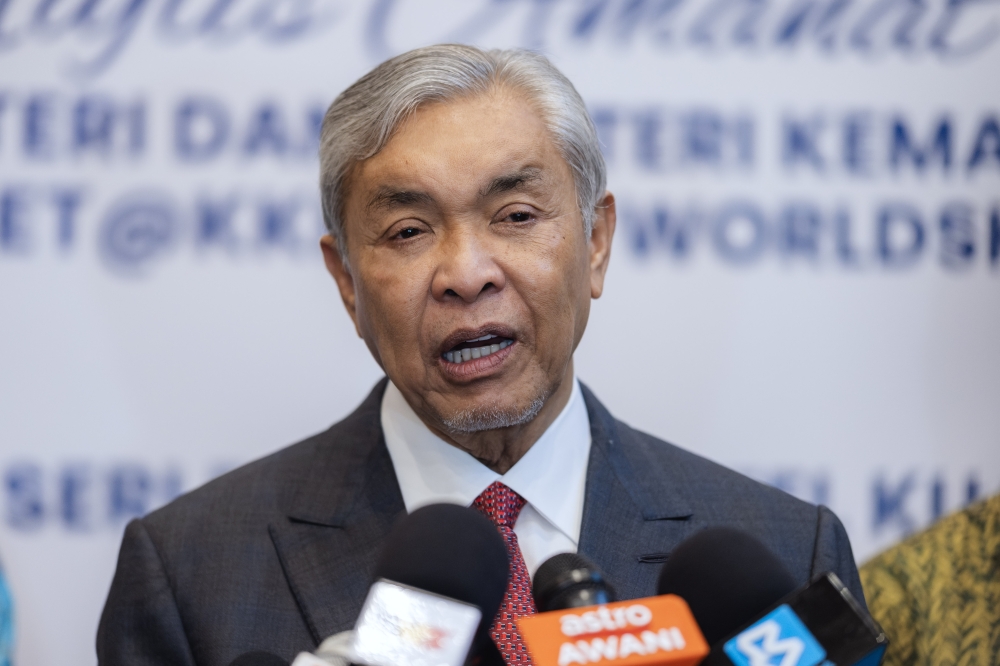
Deputy Prime Minister Datuk Seri Dr Ahmad Zahid Hamidi has announced a significant incentive programme aimed at motivating Malaysia's vocational and technical education students, pledging to personally sponsor fully paid Umrah pilgrimages for any TVET trainee who secures gold medals at the WorldSkills international competition. The initiative underscores the government's commitment to elevating the status of vocational training while simultaneously offering meaningful recognition to high-achieving participants in the prestigious global skills tournament.
The pledge, made during an official engagement with vocational education stakeholders, reflects a broader strategic push to encourage young Malaysians to pursue careers in technical and skilled trades rather than defaulting to traditional university pathways. By coupling recognition with religious pilgrimage—a significant cultural and spiritual milestone for Muslim Malaysians—Zahid's offer creates a compelling incentive structure that acknowledges both professional achievement and personal values. This approach resonates particularly strongly within the Malaysian context, where vocational education has historically struggled with perception issues despite critical labour market demands.
WorldSkills competitions represent the pinnacle of international vocational excellence, attracting thousands of competitors from over 80 countries and territories annually. Malaysia's participation in these events has grown substantially in recent years, with TVET representatives demonstrating increasing technical proficiency across diverse skill categories ranging from information technology and automotive technology to hospitality and construction trades. Gold medal victories at these competitions signal world-class competency and position Malaysian vocational graduates as globally competitive professionals, enhancing both individual career prospects and the nation's reputation in skilled trades.
The Umrah sponsorship initiative carries particular significance given Malaysia's demographic profile and cultural context. For Muslim TVET students, many from lower to middle-income families who might otherwise struggle to finance pilgrimage travel, this incentive transforms an aspirational religious obligation into an achievable reward for excellence. The programme effectively intersects professional development, religious observance, and social mobility—three dimensions that matter deeply to Malaysian families considering their children's educational pathways.
Government initiatives targeting vocational education have intensified as Malaysia grapples with persistent skills shortages across critical sectors including manufacturing, construction, hospitality, and healthcare services. The World Bank and local industry bodies have consistently identified a shortage of technicians and skilled workers as a constraining factor in Malaysia's competitiveness and productivity growth. By incentivising excellence at international skills competitions, the Deputy Prime Minister's pledge contributes to efforts that elevate the perceived value and desirability of vocational careers among school-leavers and their families.
Zahid's announcement also arrives amid wider government discussions about transforming Malaysia's education system to better align with labour market realities. Current initiatives emphasise expanding TVET capacity, improving curriculum relevance, and strengthening industry partnerships within vocational institutions. The Umrah sponsorship fits within this narrative by demonstrating high-level political support for vocational achievement and signalling that excellence in skilled trades warrants recognition equivalent to academic achievements in traditional subjects.
The practical mechanics of identifying and verifying eligible recipients will likely fall to the Ministry of Human Resources and the various institutions managing TVET programmes and WorldSkills participation. Coordination between these bodies and the Deputy Prime Minister's office would be necessary to establish clear criteria and ensure transparent administration of the sponsorship programme. Previous government incentive schemes in Malaysia have sometimes encountered implementation challenges, making the operationalization of this commitment an important consideration.
International context matters here as well. Several developed nations have implemented sophisticated incentive structures supporting vocational excellence as part of broader workforce development strategies. Singapore's SkillsFuture framework and Germany's dual education system include meaningful recognition and financial support for high-performing vocational students. Malaysia's approach, while more targeted and specific than these comprehensive systems, reflects similar philosophical recognition that vocational skill development deserves equivalent status and encouragement as academic pathways.
The timing of this announcement also warrants consideration. With Malaysia preparing for upcoming WorldSkills competitions and continuous efforts to increase participation rates among vocational institutions, the pledge may serve to energise institutional commitment and student motivation heading into selection and training phases. Success at international competitions generates positive publicity for participating institutions and bolsters national rankings in global skills metrics—benefits that extend beyond individual recipients.
Looking ahead, the success of this initiative will depend partly on how effectively it reaches target audiences and encourages increased participation from quality candidates across Malaysia's diverse TVET ecosystem. Effective communication through vocational institutions, industry partners, and student networks will be essential to ensure awareness and uptake. Additionally, linking this incentive to broader career pathway support and post-competition employment assistance would amplify its impact on vocational education outcomes.
For students and families considering vocational options, the Umrah sponsorship represents tangible evidence of government recognition for technical excellence. Combined with improving employment prospects in skilled sectors and rising wage premiums for certificated technicians, such initiatives contribute to gradually reshaping Malaysia's educational aspirations and career preferences toward greater vocational engagement. The long-term effect of these cumulative efforts remains to be seen, but the trajectory toward elevating vocational training clearly has high-level political commitment.

