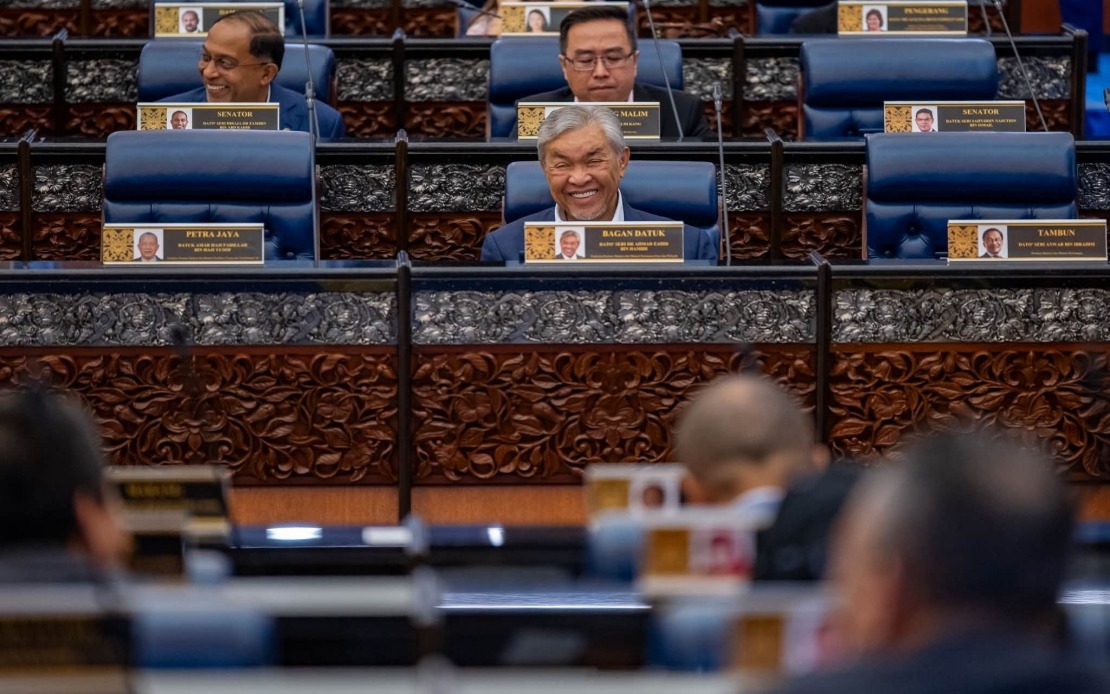
Deputy Prime Minister Datuk Seri Dr Ahmad Zahid Hamidi has underscored the importance of pairing constructive criticism of Lembaga Tabung Haji with tangible, responsible action to safeguard the standing of Malaysia's premier Islamic institution. Speaking in the aftermath of a special parliamentary sitting convened to discuss the Royal Commission of Inquiry findings on the institution, Ahmad Zahid stressed that criticism divorced from meaningful follow-through risks perpetuating controversy rather than resolving underlying governance challenges that have plagued the organization in recent years.
The remarks came as lawmakers concluded a dedicated session in the Dewan Rakyat dedicated to examining the comprehensive RCI report on Tabung Haji, which was released to the public on July 29 following months of anticipation within political and religious circles. The decision to open the report's contents to parliamentary scrutiny marked a significant step toward transparency, allowing representatives from all parties to interrogate findings, pose questions, and assess the credibility of recommendations that emerged from the inquiry process.
Ahmad Zahid, who also holds the portfolio of Rural and Regional Development Minister, characterized the parliamentary session as an opportunity for MPs to debate issues thoroughly and work toward substantive clarifications. By creating this dedicated forum, he suggested, the government had provided a structured channel through which legitimate concerns could be raised and addressed without the issue devolving into unsubstantiated claims or rumor-mongering. The DPM's implicit warning against irresponsible allegations reflects growing concern among senior government figures about the reputational damage inflicted on Tabung Haji by years of mismanagement disclosures and operational failures.
The RCI's investigation, spanning the period between 2014 and 2020, exposed significant vulnerabilities in how Tabung Haji managed its affairs and executed its mandate. The inquiry produced 25 distinct recommendations aimed at overhauling governance structures, financial controls, and operational procedures across the organization. According to progress assessments completed by July 30, Tabung Haji had already implemented approximately 75 percent of these recommendations, suggesting a degree of responsiveness to the commission's findings, though questions remain about whether reforms have been sufficiently comprehensive or swift.
For Malaysian readers, the Tabung Haji controversy carries particular weight given the institution's sacred role as the official conduit through which hundreds of thousands of Muslims—many from modest economic backgrounds—save and prepare for the Hajj pilgrimage. The organization's struggles have directly affected accumulated savings and travel arrangements, making governance failures not merely administrative shortcomings but matters touching the spiritual aspirations of devout believers. The erosion of confidence in Tabung Haji has therefore extended beyond financial circles into religious and community spheres across the country.
Ahmad Zahid's call for responsible action paired with criticism can be understood as a diplomatic appeal for mature governance discourse. By framing the issue in terms of ensuring the institution remained "strong and trusted," he positioned reform not as punitive but as restorative—aimed at rehabilitating Tabung Haji's standing and returning it to effective service. This framing attempts to move the conversation away from blame-assignment toward forward-looking institutional renewal, a necessary posture if Tabung Haji is to rebuild relationships with its contributors and the broader Muslim community.
The Deputy Prime Minister also invoked faith and spirituality in his appeal, praying that all parties would approach the matter with wisdom and sincerity while keeping the interests of the Muslim ummah and the nation foremost. This invocation of higher principles reflects an awareness that the Tabung Haji debate, while rooted in institutional management questions, touches deeper dimensions of religious trust and communal solidarity. By framing responsible action as a religious obligation, Ahmad Zahid sought to transcend partisan political divisions that might otherwise fragment efforts to restore institutional integrity.
The government's decision to publicly release the RCI report and permit parliamentary debate represented a departure from the secrecy that had previously surrounded the inquiry. This transparency move reflects both changing expectations about accountability in Malaysia and acknowledgment that concealing findings would only deepen skepticism. However, releasing the report created its own challenges: it exposed the full scope of organizational dysfunction while simultaneously placing responsibility on political leaders and Tabung Haji management to demonstrate meaningful change.
For the broader Southeast Asian context, Malaysia's experience with the Tabung Haji scandal offers instructive lessons about the vulnerabilities of state-backed religious institutions. Similar organizations across the Muslim world face comparable pressures to balance fiduciary responsibility with spiritual mission, governance modernization with traditional authority structures, and public accountability with institutional autonomy. Malaysia's approach—combining investigation, transparency, and demands for systematic reform—may offer a model, albeit incomplete, for other countries grappling with comparable institutional failures.
The success of Ahmad Zahid's appeal for responsible action ultimately depends on implementation quality. Tabung Haji management must demonstrate that the 75 percent of completed recommendations represent substantive reforms rather than cosmetic changes. Simultaneously, political leaders and MPs must resist the temptation to weaponize Tabung Haji's failures for partisan advantage, recognizing that the institution's credibility recovery serves broader national and religious interests. Only if criticism translates into demonstrable governance improvements will public confidence in Tabung Haji be meaningfully restored.

