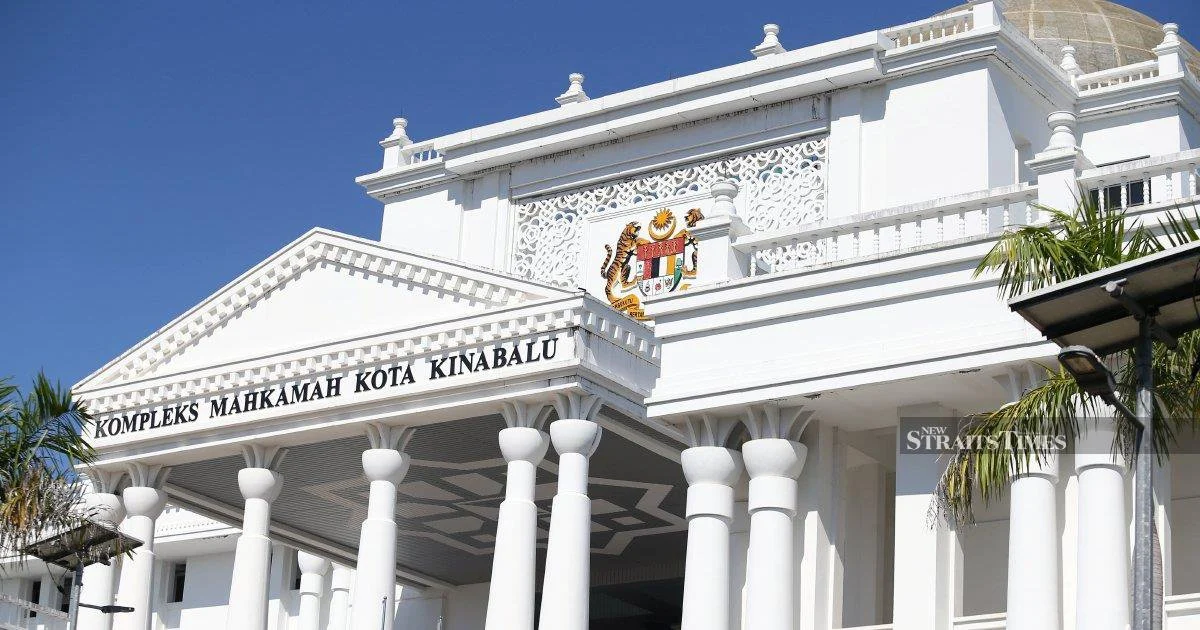
The inquest into the circumstances surrounding the death of 13-year-old Zara Qairina Mahathir heard significant testimony in Kota Kinabalu today, as the 74th witness appearing before the court made a crucial statement about the limitations of her professional capacity. The document examination expert informed the court that she was unable to contradict the conclusions reached by another specialist who had examined similar evidence in the case, a development that underscores the complex nature of forensic expertise in proceedings of this magnitude.
Inquests involving minors attract particular scrutiny in Malaysia, given the public interest they generate and the need to establish conclusive findings about causes of death. The extended hearing process, evidenced by the appearance of a 74th witness, demonstrates the thoroughness with which authorities are pursuing all avenues of investigation and expert analysis. Each witness contributes fragments of evidence that collectively shape the narrative the court attempts to construct, making the credibility and scope of individual testimonies matters of considerable importance.
Document examination, as a forensic discipline, relies upon the comparison of handwriting, signatures, ink composition, paper characteristics, and other physical indicators to determine authenticity and authorship. When multiple experts examine the same materials, their conclusions may sometimes diverge based on differing methodologies, experience levels, or the particular aspects of the evidence they emphasise. The witness's statement that she could not contradict her colleague's findings suggests either a recognition of the other expert's superior analysis or an acknowledgment of the inherent limitations in challenging conclusions when based on legitimate forensic techniques.
The progression of the inquest over numerous witness testimonies indicates that investigators and the legal framework have treated this matter with the seriousness it demands. In Malaysia, inquests into deaths are conducted under the Coroners Court system, which aims to establish the cause and circumstances of death without necessarily determining criminal liability. This distinction is important for understanding how evidence is presented and evaluated within such proceedings, as the evidentiary standard, while rigorous, differs from criminal trials where guilt must be proven beyond reasonable doubt.
For Malaysian readers following this case, the involvement of multiple expert witnesses reflects how modern legal investigations leverage specialised knowledge to illuminate facts that lay observers might otherwise overlook. The inability or unwillingness of the 74th witness to contradict her colleague raises questions about professional consensus, the reliability of different examination methods, and whether competing interpretations might yet emerge from other witnesses or experts who may testify before proceedings conclude. Such developments are not uncommon in high-profile inquests and do not necessarily suggest weakness in the investigation.
The death of any young person invariably prompts community reflection on the systems and safeguards that surround children in Malaysia. Depending on the circumstances of Zara Qairina Mahathir's death, her case may have implications for child protection policies, institutional accountability, or public health protocols. The meticulous documentation of expert testimony serves to create a comprehensive record that, whatever conclusions the court eventually reaches, will be based on evidence subjected to judicial scrutiny and expert evaluation.
In the Southeast Asian context, the manner in which Malaysia conducts inquests into sensitive deaths contributes to perceptions of judicial integrity and institutional transparency. Neighbouring countries and international observers often examine how regional legal systems handle cases involving minors, as these serve as indicators of commitment to protecting vulnerable populations. The detailed examination of documentary evidence in this case reflects that commitment, even as individual experts acknowledge the boundaries of their own professional conclusions.
The court's reliance on successive expert witnesses demonstrates that resolving ambiguities in forensic analysis sometimes requires multiple perspectives and the opportunity for specialists to assess and, where appropriate, validate or refine conclusions reached by their peers. The 74th witness's testimony should be understood within this broader context of building a comprehensive factual record rather as an indication that investigation priorities have shifted or that key questions remain unanswered.
As the inquest continues, each witness statement adds depth to the court's understanding. The inability of this particular expert to contradict established findings does not preclude other witnesses from offering new evidence or interpretations. Malaysian inquests proceed methodically, with counsel examining witnesses systematically to challenge, clarify, or extend their accounts. This process, while lengthy, serves to ensure that significant matters involving the deaths of young persons receive thorough judicial examination before formal conclusions are recorded.
The inquest process in Malaysia remains a critical institution for establishing truth and accountability in cases where death circumstances warrant formal investigation. The testimony of document examination experts, along with other forensic specialists, contributes to a mosaic of evidence that courts use to reach informed conclusions. The 74th witness's statement represents just one moment within a prolonged inquiry that will eventually culminate in formal findings, and observers of the case should continue to follow subsequent testimony before drawing conclusions about its overall direction or implications.

