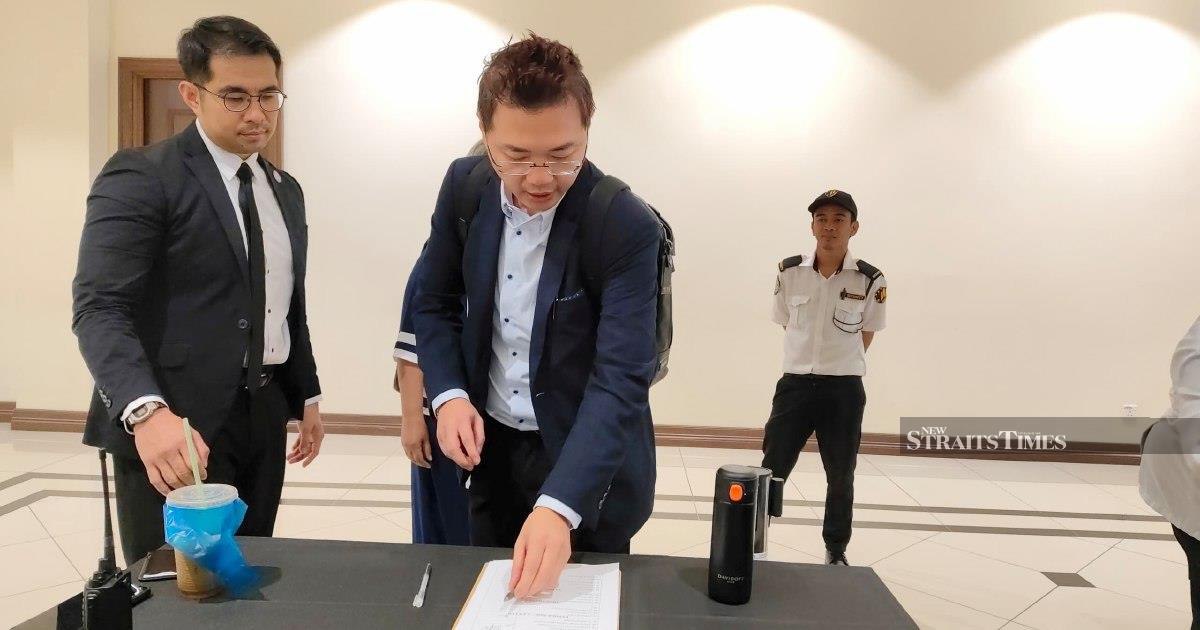
Medical experts testified in Kota Kinabalu's coroner's court that Noraidah Lamat, the mother of Zara Qairina Mahathir, stood in urgent need of psychological care running parallel to the official investigation into her daughter's death. The psychiatric evidence emerged as the legal proceedings continued to examine the circumstances surrounding the young woman's passing, underscoring the profound human dimension often obscured by procedural inquiries.
The coroner's hearing highlighted how families navigating death investigations face a dual burden: the arduous process of establishing factual truth while simultaneously coping with profound grief and trauma. For Noraidah Lamat, this intersection of legal obligation and emotional devastation required professional mental health support to sustain her through the investigative proceedings. Such testimony normalizes what many inquest observers understand implicitly but remains rarely articulated within formal court settings—that loss investigations demand holistic support systems extending beyond forensic examination.
Psychiatric intervention during high-profile inquests serves multiple purposes. Beyond basic trauma management, mental health professionals can help grieving relatives process information disclosed during testimony, contextualize findings, and navigate the psychological aftermath of legal proceedings. This preventative approach acknowledges that families emerging from inquests require more than a verdict; they need structured emotional recovery pathways.
The Malaysian legal system, like many others, has historically positioned inquests as purely factual exercises. However, increasing recognition of the psychological toll on bereaved families has prompted advocates and mental health professionals to recommend integrated support frameworks. Kota Kinabalu's coroner's court hearing reflects this evolving understanding, where psychiatric testimony now forms part of the broader evidentiary record.
Zara Qairina Mahathir's case represents one of numerous instances where young Malaysians have died under circumstances requiring official investigation. Each such case reverberates through families, communities, and broader public discourse about safety, accountability, and institutional responsibility. The coroner's attention to Noraidah Lamat's psychological needs acknowledges these wider ramifications beyond the immediate legal finding.
The introduction of psychiatric evidence into inquest proceedings also signals changing attitudes toward mental health support in Malaysia. Historically, emotional or psychological dimensions were considered peripheral to fact-finding investigations. Contemporary practice increasingly recognizes that supporting bereaved families enhances the integrity of inquests themselves, as individuals in better psychological condition can engage more meaningfully with proceedings and outcomes.
For bereaved families throughout Malaysia and the broader Southeast Asian region, the Kota Kinabalu testimony offers precedent and validation. It suggests that seeking mental health support during inquest processes is not merely advisable but professionally recognized as essential. This distinction matters: when psychiatric care receives judicial acknowledgment, families feel less stigmatized in pursuing such help, and institutions become more accountable for providing comprehensive resources.
The coroner's court proceedings into Zara Qairina Mahathir's death continue to unfold against this backdrop of evolving institutional practices. While the primary mandate remains establishing cause and circumstances of death, the parallel concern for Noraidah Lamat's emotional wellbeing reflects a more mature understanding of how such investigations affect real people navigating unbearable loss.
As Malaysia continues developing its inquest frameworks, the psychological dimension deserves equal prominence alongside forensic and legal analysis. Kota Kinabalu's coroner's court, through its acknowledgment of psychiatric testimony, contributes meaningfully to this broader conversation about how institutions can better serve bereaved families while pursuing truth and accountability.

