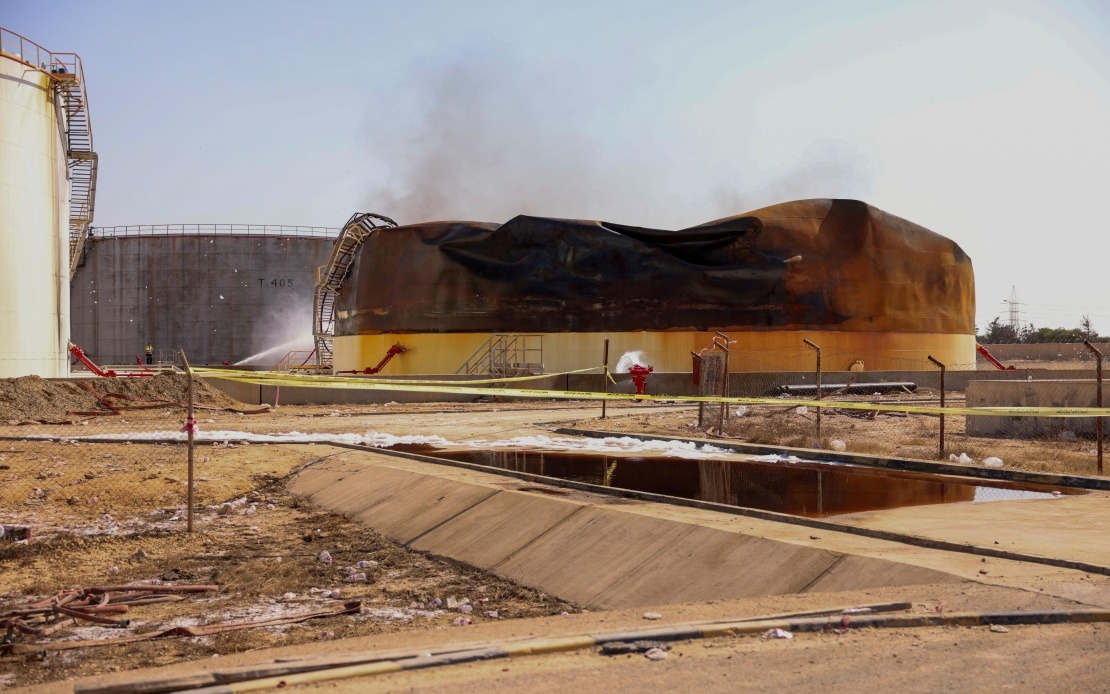
Western Libya's fragile energy infrastructure suffered a significant setback on Saturday when an explosion near the Zawiya power plant forced the shutdown of several electricity generation units, according to the state-owned General Electricity Company of Libya (GECOL). The incident underscores the mounting vulnerability of the North African nation's power sector amid escalating security threats, with the plant serving as a crucial source of electricity for the region.
GECOL teams immediately mobilized to investigate the explosion and begin restoration work on the disabled generation units. The company acknowledged that investigations were ongoing to establish the technical circumstances that led to the incident, which occurred in the vicinity of the power station rather than within its core facilities. Officials expressed confidence that gradual restoration efforts would return the grid to normal operation, though they offered no specific timeline for full recovery.
The incident arrives at a particularly vulnerable moment for Libya's energy sector. Just one week prior, unidentified drone strikes had targeted multiple critical infrastructure assets in Zawiya, including oil storage tanks, desalination facilities, and power generation infrastructure. This pattern of attacks has intensified concerns about the security situation in the city and the broader question of who possesses the capability and motivation to conduct such strikes against vital national resources.
The absence of claimed responsibility for either the drone attacks or the latest explosion creates a troubling information vacuum. Libyan authorities have launched investigations to identify the source of the unmanned aerial vehicles and those orchestrating the campaign against infrastructure, but progress remains unclear. The succession of incidents suggests either a coordinated assault on Zawiya's vital systems or independent actors exploiting the country's security vulnerabilities.
Libya's electricity generation capacity has been under tremendous strain for years due to civil conflict, poor maintenance, and competing governance structures. The Zawiya plant represents one of the country's significant power sources, and any disruption ripples across the western region's already-stressed grid. Previous years have witnessed chronic blackouts and rolling power cuts affecting households, businesses, and essential services including hospitals and water treatment facilities.
For Malaysia and Southeast Asian observers, Libya's infrastructure crisis offers cautionary lessons about the vulnerability of energy systems to both conventional security threats and emerging technologies like armed drones. The incident demonstrates how easily critical systems can be disabled when security institutions lack the capacity or intelligence to prevent attacks, a concern relevant to regional maritime and energy infrastructure given increasing drone capabilities in the Indo-Pacific.
GECOL's public apology to citizens for service disruptions reflected the company's recognition that repeated power failures erode public confidence in state institutions. In Libya's fractured political landscape, such infrastructure failures become politicized flashpoints, with different government factions and armed groups potentially exploiting grievances to mobilize support or justify military action. The power company's commitment to stabilizing the grid carries implications beyond technical restoration—it reflects efforts to maintain state legitimacy during a period of institutional fragmentation.
The economic implications extend beyond electricity production. Zawiya hosts important petrochemical and oil refining operations that depend on reliable power supply. When the power plant experiences operational disruptions, downstream industrial activities suffer, affecting government revenues, employment, and export capacity. Libya's oil and gas sector, already hampered by security concerns and infrastructure damage elsewhere, faces additional production pressures from repeated incidents in western regions.
The drone attacks preceding this explosion suggest a tactical approach targeting Libya's economic and energy independence. Desalination facilities, which provide fresh water to coastal populations, oil storage infrastructure, and power generation represent interconnected elements of national resilience. Systematically degrading these systems could reflect efforts by regional or international actors to pressure Libya's government, deplete state resources, or create humanitarian conditions that benefit particular factions in ongoing political disputes.
Security analysts will likely scrutinize whether the explosion resulted from direct attack, collateral damage from drone strikes, or unrelated technical failure—a distinction with major implications. If the explosion represents escalation beyond the previous week's drone strikes, it suggests attackers are increasing operational tempo and may possess multiple capability streams. If technical failure contributed, it raises questions about whether previous damage from drone strikes compromised the facility's structural integrity or safety systems.
The restoration timeline remains critical for Zawiya residents and businesses already enduring severe electricity shortages. GECOL's expressed hope for rapid normalization represents an optimistic assessment given Libya's limited spare parts inventory, repair capacity constraints, and ongoing security risks that could impede reconstruction work. Extended disruptions would compound hardship in a city already affected by conflict and infrastructure decay, potentially triggering migration or deepening public frustration with government institutions.
Looking forward, the incident demonstrates Libya's need for comprehensive security upgrades protecting critical infrastructure. Enhanced surveillance systems, hardened facilities, and coordinated intelligence efforts could reduce vulnerability to drone attacks and improve response capabilities for emergency situations. The challenge lies in implementing such measures amid political fragmentation and resource constraints that have historically prevented unified national defense initiatives.

