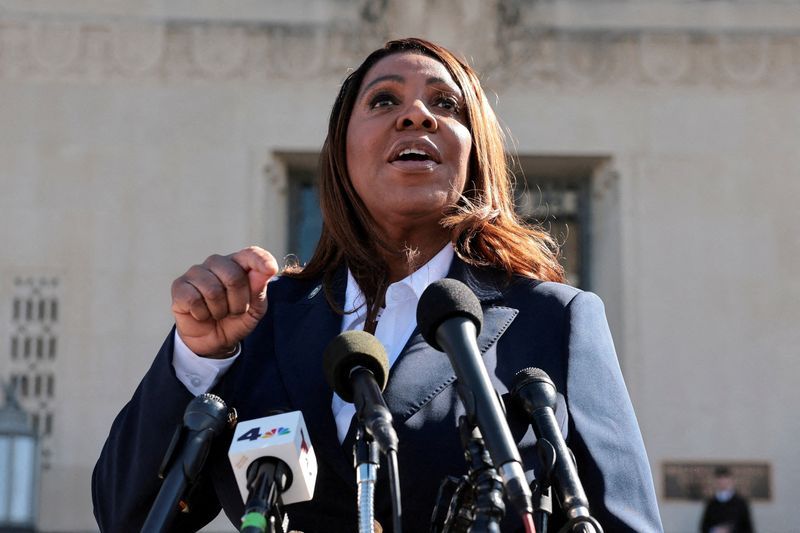
A Manhattan court has dealt a significant blow to Zelle, the digital payment platform owned by seven major American banks, by refusing to dismiss a consumer fraud lawsuit filed by New York Attorney General Letitia James. Justice Phaedra Perry-Bond's ruling on Tuesday clears the path for the case to advance, marking a major setback for the electronic payment service that has faced mounting scrutiny over its handling of fraud and cybercrime.
The lawsuit centres on allegations that Zelle deliberately sacrificed consumer protection measures to accelerate its market expansion. According to James's complaint, the platform prioritised accessibility, convenience and rapid user adoption at the direct expense of implementing critical safety features that her office contends were necessary to prevent widespread fraud. The judge found these allegations sufficiently credible to warrant proceeding to trial, rejecting Zelle's argument that the claims lacked merit.
Zelle operates as a service of Early Warning Services, a consortium owned by Bank of America, Capital One, JPMorgan Chase, PNC, Truist, US Bank and Wells Fargo. This ownership structure underscores how deeply entrenched the payment system is within the American banking establishment, making the legal challenge particularly consequential for the financial services sector. The involvement of these institutions raises questions about internal governance and whether banking partners adequately prioritised consumer safeguards during the platform's development.
A troubling aspect highlighted in the court's reasoning involves Zelle's continued collection of fees from transactions later identified as fraudulent. Justice Perry-Bond noted that this practice raises fundamental questions about whether the company implicitly or explicitly endorsed the fraudulent activities occurring on its network. The ongoing revenue stream from compromised transactions suggests a potential misalignment of incentives, where the platform benefits financially regardless of transaction legitimacy.
The marketing claims surrounding Zelle also face scrutiny. James objected to promotional language promising consumers "peace-of-mind" and assuring users that the service was "backed by the banks, so you know it's secure." Such messaging, the attorney general argues, created false impressions of safety and security that did not match the platform's actual protective capabilities. These representations matter significantly to Malaysian consumers evaluating digital payment platforms, as trust narratives directly influence adoption decisions in developing fintech markets across Southeast Asia.
Zelle contended that advertising the platform as safe constituted standard commercial speech and that companies cannot face liability for "passive nonfeasance"—essentially arguing that failing to implement safety measures does not constitute illegal conduct. The court rejected this reasoning, suggesting that actively marketing security credentials while inadequately protecting against known fraud vectors may constitute affirmative misrepresentation rather than mere negligence.
The timeline of Zelle's response to fraud concerns demonstrates potential institutional inertia. According to James, the company proposed basic safeguard measures in 2019 but did not implement them until 2023, following public pressure from the U.S. Consumer Financial Protection Bureau and Congressional scrutiny. This four-year delay raises questions about corporate prioritisation and whether voluntary industry standards sufficiently protect consumers against evolving cyber threats.
Common fraud schemes targeting Zelle users include account compromise through credential theft, social engineering attacks convincing users to send money for fictitious goods or services, and sophisticated impersonation of legitimate financial institutions and government agencies. Such vulnerabilities disproportionately affect vulnerable populations with limited digital literacy, making the dispute over platform safety measures a matter of consumer justice and equitable access to financial services.
Zelle's defence strategy emphasised that fraud reports have remained comparatively low relative to transaction volume. Company spokesperson Eric Blankenbaker characterised the New York attorney general's case as politically motivated, arguing that similar claims have been rejected by other courts. However, the Manhattan judge's willingness to allow the case to proceed suggests that previous dismissals may not have addressed all legal theories or that circumstances have changed sufficiently to warrant reconsideration.
The platform, which launched in 2017, competes directly with established mobile payment services including PayPal's Venmo and Block's Cash App. The competitive landscape has intensified pressure on all providers to balance rapid growth with adequate consumer protections. Zelle's market position as a bank-backed alternative has positioned it as a supposedly safer option, making the security allegations particularly damaging to its brand positioning and consumer confidence.
This case arrives during a particularly vulnerable period for consumer protection enforcement in the United States. The Consumer Financial Protection Bureau dropped its own parallel investigation in March 2025, shortly after President Donald Trump began his second term. The timing raises concerns about regulatory continuity and whether state-level action by New York might represent the primary remaining mechanism for holding digital payment platforms accountable for consumer protection failures.
For Malaysian and Southeast Asian readers, the Zelle litigation offers instructive lessons about digital payment platform governance and consumer protection standards. As fintech adoption accelerates across the region, regulators and consumers must evaluate whether similar safety compromises are occurring within local and regional payment ecosystems. The case demonstrates that rapid market expansion need not occur at consumer safety's expense, and that legal accountability mechanisms remain important safeguards even for systems backed by major financial institutions.
The proceeding now enters discovery and potential trial phases, during which additional evidence regarding Zelle's decision-making processes, internal communications about fraud risks and comparative safety practices at competing platforms will likely emerge. This litigation may ultimately reshape how digital payment providers approach the balance between growth and security across the industry.

