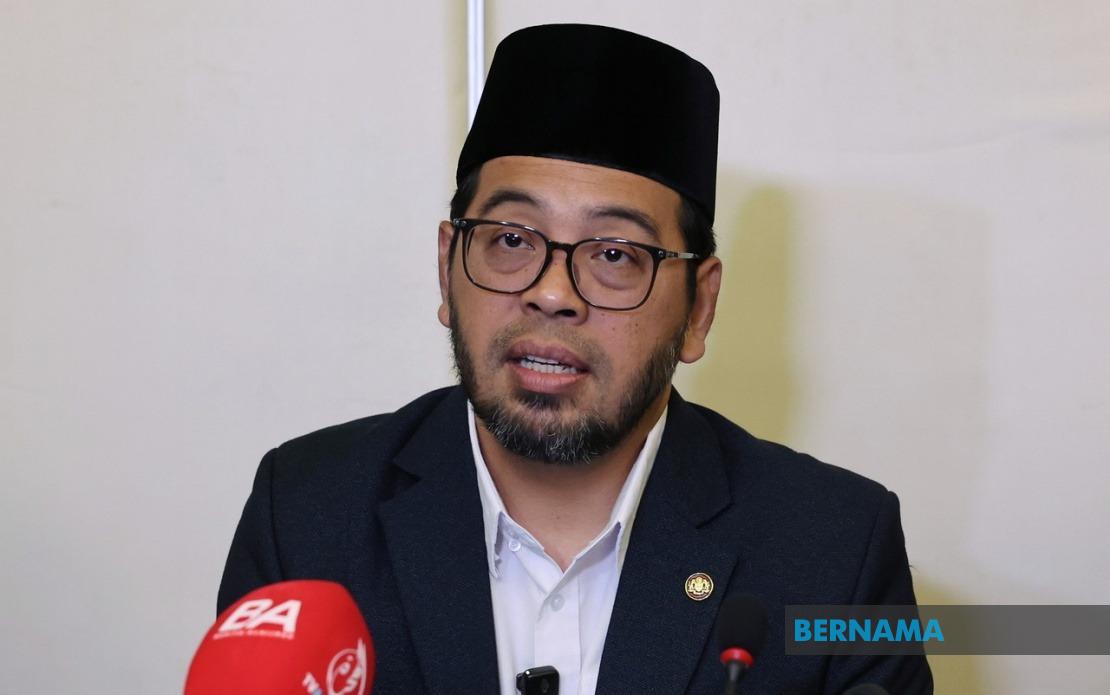
Parliament will convene in a special sitting tomorrow morning to examine the findings of the Royal Commission of Inquiry into Lembaga Tabung Haji's management and operational practices during the six-year period spanning 2014 to 2020. Minister in the Prime Minister's Department (Religious Affairs) Dr Zulkifli Hasan will deliver a formal briefing to lawmakers on the contents of the 211-page report, which was released to the public on July 29 following a government decision to make the findings transparent rather than confidential.
The briefing represents a significant moment of parliamentary accountability, coming months after the RCI completed its investigation into Malaysia's largest Islamic financial institution. Tabung Haji, which manages pilgrim savings and investments for Muslims preparing for the Hajj, has faced scrutiny over its financial management and investment decisions during the period under review. The decision to hold a special parliamentary session underscores the government's commitment to addressing concerns about governance at one of the nation's most important faith-based financial entities.
Dr Zulkifli confirmed in a short video statement distributed to media outlets that both he and Finance Minister II Datuk Seri Amir Hamzah Azizan will participate in winding up parliamentary debate following the initial presentation. This dual ministerial involvement signals that the matter carries weight across multiple government portfolios, particularly given the intersection of religious affairs, finance, and public accountability. The inclusion of the Finance Ministry official reflects the wider economic implications of any findings concerning Tabung Haji's operations.
Cabinet has already signalled its intention to pursue action against individuals found to be culpable in relation to the RCI's discoveries. Dr Zulkifli stated that "the Cabinet has also indicated that action should be taken against those involved in the case." This advance notice suggests the government has reviewed the report's recommendations and intends to hold specific parties accountable, whether through administrative measures, criminal referrals, or other disciplinary mechanisms. The scope and nature of such action will likely become clearer as Parliament debates the findings.
The parliamentary sitting, scheduled to commence at 10 am, will provide lawmakers with a formal platform to examine the RCI report's conclusions and recommendations. The 211-page document contains detailed findings from the inquiry's investigation into how Tabung Haji was managed and operated during the critical 2014-2020 period, a timeframe that witnessed significant changes in Malaysia's political and economic landscape. Members of Parliament will have the opportunity to raise questions, propose amendments, or call for specific follow-up actions based on the commission's work.
Interest in participating in the parliamentary debate has been substantial. Communications Minister Datuk Seri Fahmi Fadzil previously indicated that at least 40 MPs had registered to take part in the discussions. This level of engagement reflects the broad concern among parliamentarians about Tabung Haji's affairs and suggests the debate may be extensive and wide-ranging. With multiple perspectives likely to be aired, the session promises to be substantive rather than perfunctory.
The timing of the RCI report's release and the subsequent parliamentary briefing form part of a broader transparency initiative by the current government. By publicly disclosing the RCI findings rather than keeping them confidential, the administration has demonstrated a willingness to subject state institutions to public scrutiny. This approach contrasts with historical practices where such sensitive inquiries were sometimes conducted behind closed doors, their findings shared only with relevant officials.
For Malaysian Muslims who have entrusted their savings to Tabung Haji, the RCI report and parliamentary debate carry personal significance. The institution serves millions of citizens who view their Tabung Haji accounts as sacred investments toward fulfilling one of Islam's Five Pillars. Any mismanagement or governance failures directly impact the financial security of these individuals and their families. The parliamentary examination therefore serves not merely as a matter of institutional accountability but as a safeguard for the interests of everyday Malaysians.
The 2014-2020 period under RCI review encompasses transformative years for Malaysia, including a change of government in 2018. Understanding what occurred during this time may shed light on whether management practices shifted following the electoral transition or whether certain longstanding issues persisted regardless of political change. The findings may thus carry implications for institutional reform across the broader financial and religious affairs sectors.
Parliamentary proceedings tomorrow will likely establish a foundation for subsequent government action on the RCI's recommendations. Whether such action involves structural reforms at Tabung Haji, enhanced regulatory oversight, personnel changes, or other remedial measures will depend on both the specifics of the report's findings and the government's policy priorities. The debate will provide crucial input from elected representatives who answer to their constituents regarding the institution's future direction.

