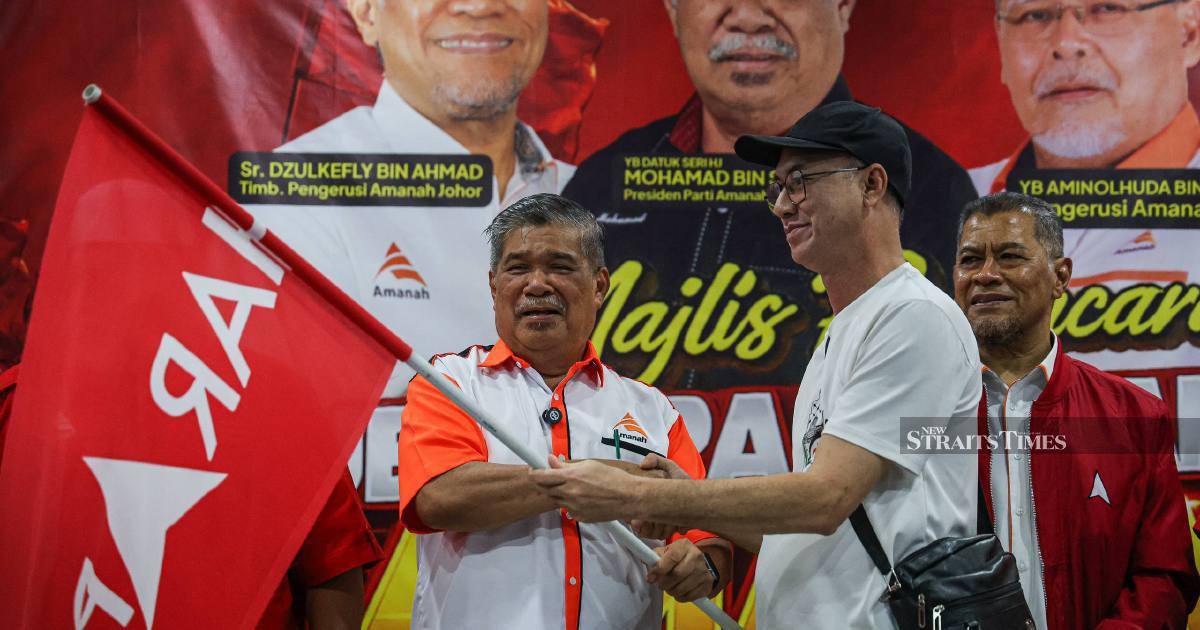
Amanah has committed to fielding 13 new candidates from among its total slate of 19 contenders in the Johor state election scheduled for July 11, according to Mat Sabu, the party leadership's spokesperson. The decision to introduce such a substantial cohort of fresh political figures represents a deliberate strategy to inject new momentum into the party's campaign across the southern state.
The infusion of newcomers into the candidate roster reflects broader organisational decisions made by the Islamic party as it prepares for a significant electoral test. With over two-thirds of its representation being first-time contenders, Amanah is signalling confidence in developing untested political talent while simultaneously seeking to address voter appetite for alternatives to incumbent leadership. This generational pivot carries implications for how the party hopes to position itself within Malaysia's increasingly fragmented political landscape.
For Johor specifically, the deployment of primarily new faces suggests Amanah recognises the need to distinguish itself from established players who have dominated state politics for decades. The state election represents an opportunity for the party to demonstrate organisational vitality and offer constituents genuine novelty in representation. By introducing candidates without baggage from previous electoral cycles, Amanah can more easily articulate a forward-looking policy agenda unburdened by past controversies or political compromises.
Mat Sabu's announcement indicates the party has undertaken substantial groundwork in identifying and vetting candidates capable of competing across diverse constituencies in Johor. This candidate selection process typically involves consultation with grassroots party structures, assessment of local political dynamics, and strategic placement to maximise electoral viability. The fact that Amanah has settled on a relatively high proportion of newcomers underscores confidence in its internal recruitment mechanisms.
The July 11 election date sets a defined timeframe for these candidates to establish themselves in their respective constituencies. Political observers in Malaysia will closely monitor how effectively Amanah's newcomers can gain traction with voters and build the local networks essential for electoral success. First-time candidates often face structural disadvantages, including lower name recognition and limited fundraising capacity compared to seasoned politicians seeking re-election.
Johor's political landscape has historically been shaped by competition between Umno-led coalitions and opposition blocs. Amanah's participation with predominantly new candidates positions the party as a potential kingmaker or coalition partner, depending on post-election arithmetic. The state's 56 state assembly seats mean that even modest gains could prove strategically significant in forming a state government.
For Malaysian voters in Johor, the introduction of so many new faces presents both opportunities and risks. Newcomers may bring enthusiasm and policy ideas disconnected from entrenched political interests, yet they lack the legislative experience that enables effective constituency advocacy and parliamentary manoeuvring. Assessing individual candidates' substantive policy positions and community engagement records becomes particularly important when evaluating parties fielding predominantly unfamiliar contenders.
The timing of this candidate announcement, typically made weeks or months before polling day, allows these new figures sufficient opportunity to establish visibility in their constituencies. Campaign activities, community engagement, and media presence during this period determine whether voters will become sufficiently acquainted with candidates to vote for them based on individual merit rather than party brand alone.
Amanah's strategy of elevating newcomers must be understood within the broader context of opposition coalition dynamics in Malaysia. The party's positioning and electoral performance in Johor could influence negotiations over seat allocation in future national and state-level contests. If new candidates perform strongly despite lacking prior electoral experience, it strengthens Amanah's claim to greater representation in future coalition arrangements.
The July 11 election will test whether voters in Johor value new candidates' perceived idealism and detachment from political establishment dynamics sufficiently to overcome the conventional advantages held by more experienced contenders. Results will offer insights into broader Malaysian electoral preferences regarding political renewal versus institutional experience, particularly relevant as the nation contemplates governance challenges extending well beyond the state level.