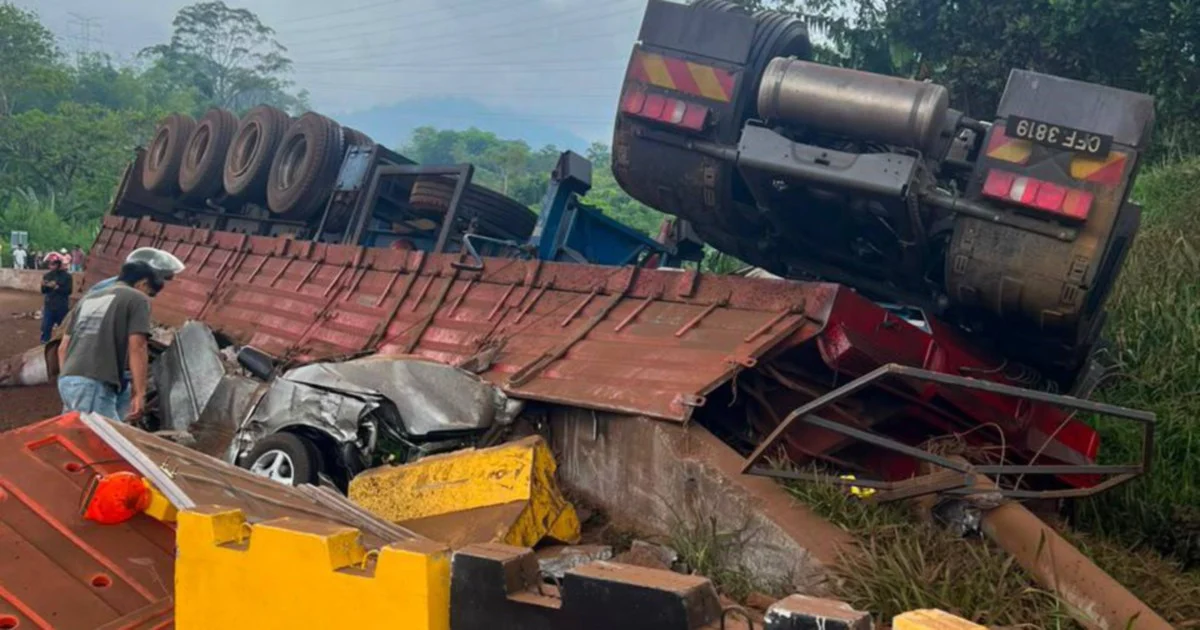
A trailer driver connected to a catastrophic collision on the Karak Expressway near Bentong that claimed four lives on June 14 has been released on police bail as investigations proceed. The development marks a significant phase transition in the case, moving from immediate custody to pending prosecution as law enforcement agencies gather evidence and determine appropriate charges.
The incident occurred in Bentong, a major transport corridor in Pahang that frequently experiences heavy vehicle traffic along the Karak Expressway. Fatal collisions involving heavy vehicles on Malaysian highways have become increasingly concerning, with trailers and trucks involved in a disproportionate share of serious accidents. The circumstances surrounding this particular crash have drawn official scrutiny as authorities seek to understand the events leading to the multi-vehicle collision that cost four people their lives.
Police bail arrangements represent a middle ground in criminal procedure, allowing suspects to remain free while investigations advance and prosecutors determine the appropriate level of charges to bring. The decision to release the driver on bail suggests investigators have sufficient information to proceed methodically without requiring continued detention, though the case remains open and active. This procedural step indicates authorities are moving toward formulating formal charges, which could range from causing death by negligence to more serious driving-related offences depending on their findings.
The death toll of four victims positions this among Malaysia's deadlier recent transport accidents. Each fatality in such incidents underscores the risks that persist on the country's highway networks, particularly in sections with significant freight traffic. The Karak Expressway, which links Kuala Lumpur with the east coast, carries substantial volumes of commercial vehicles navigating steep gradients and complex curves, conditions that elevate the consequences when collisions occur.
Investigators typically examine multiple factors in fatal trailer accidents: vehicle maintenance records, driver fatigue and resting hours, road conditions at the time of impact, visibility and weather, and the sequence of events leading to the collision. Malaysian authorities have incrementally strengthened enforcement of regulations governing heavy vehicle operations, including tachograph compliance and axle weight monitoring, though implementation inconsistencies persist across the country.
The bail release does not imply innocence or exonerate the driver from responsibility. Rather, it reflects the investigative stage and the police's confidence in their evidence base. The prosecution will need to establish the driver's culpability through evidence that may include vehicle data recorders, witness testimony, medical reports, and forensic analysis of the collision scene. The threshold for charges will depend on whether investigators determine the driver acted with gross negligence or whether other contributing factors emerged.
Malaysian transport safety stakeholders have consistently raised concerns about fatigue-related accidents among commercial drivers, inadequate vehicle maintenance, and speed as contributing factors in highway tragedies. Professional drivers face demanding schedules and economic pressures that can incentivize excessive hours behind the wheel. Regulatory bodies continue advocating for stricter compliance mechanisms, though enforcement effectiveness varies significantly across states.
The decision-making process now shifts toward the prosecutor's office, which must evaluate evidence compiled during the police investigation and determine the appropriate charges under relevant statutes. Depending on findings, charges could involve the Road Transport Act or other legislation governing vehicle operation and driver conduct. The complexity of multi-party collision investigations often extends timelines as authorities reconstruct the precise sequence of events and apportion responsibility.
For grieving families of the four deceased, the bail decision marks a bittersweet transition. While the case progresses toward prosecution, the outcome will not restore the lives lost. Such tragedies typically prompt secondary discussions about vehicle maintenance standards, driver training protocols, and infrastructure improvements aimed at preventing comparable incidents.
The bail conditions imposed on the driver remain undisclosed in immediate reports, though Malaysian police typically impose restrictions including residence requirements and reporting obligations. The next significant court appearance will likely involve bail review or formal charging procedures, moments when additional details surrounding the incident may become public through judicial proceedings.
Highway safety remains an ongoing challenge for Malaysia, where vehicle volumes and freight dependency continue rising alongside infrastructure pressures. Fatal accidents involving heavy vehicles, while receiving high-profile attention, represent symptoms of systemic issues requiring sustained policy attention, enforcement coordination, and industry participation. This specific incident, while tragic, contributes to the broader narrative driving calls for enhanced regulatory frameworks and technological safety measures across the transport sector.