The Rohingya Ulama Council has publicly dismissed recent reports suggesting the stateless community is attempting to obtain Malaysian citizenship, with the council's leadership describing such allegations as calculated falsehoods intended to fan anti-Rohingya sentiment among the general population.
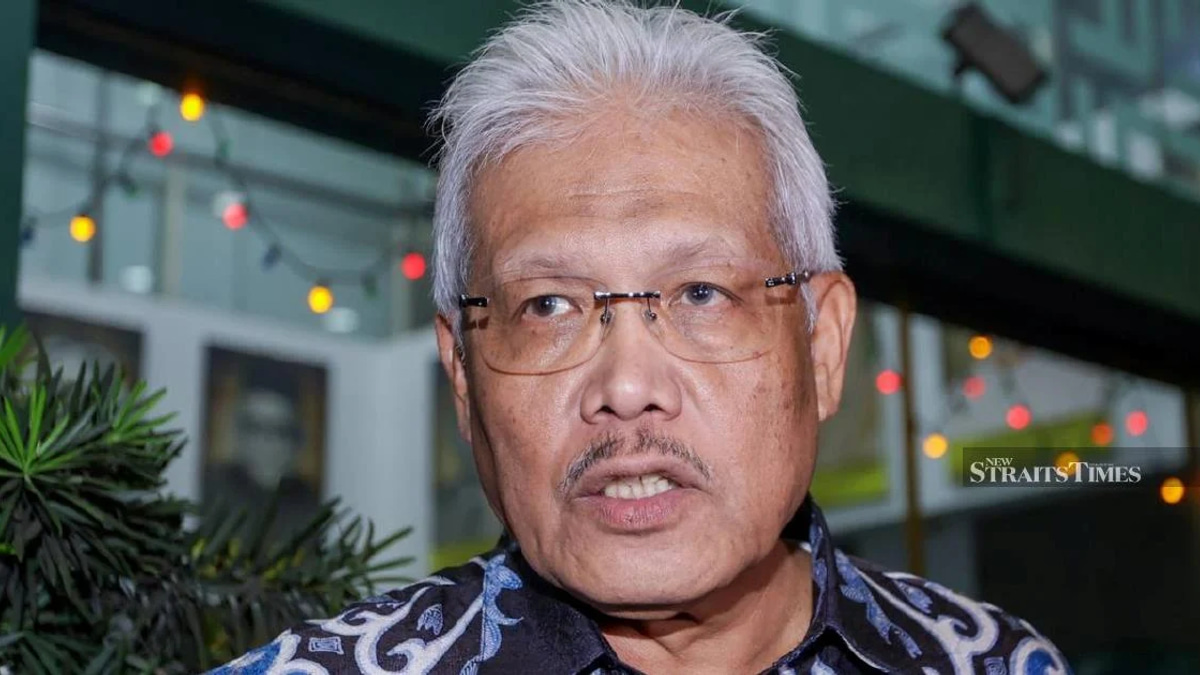
Rahimullah Hussain, chairman of the Rohingya Ulama Council, issued the categorical denial in response to circulating claims about the community's purported citizenship objectives. According to Hussain, these allegations represent a deliberate distortion of the community's actual position and aspirations, fabricated specifically to incite negative attitudes toward Rohingya residents in Malaysia.
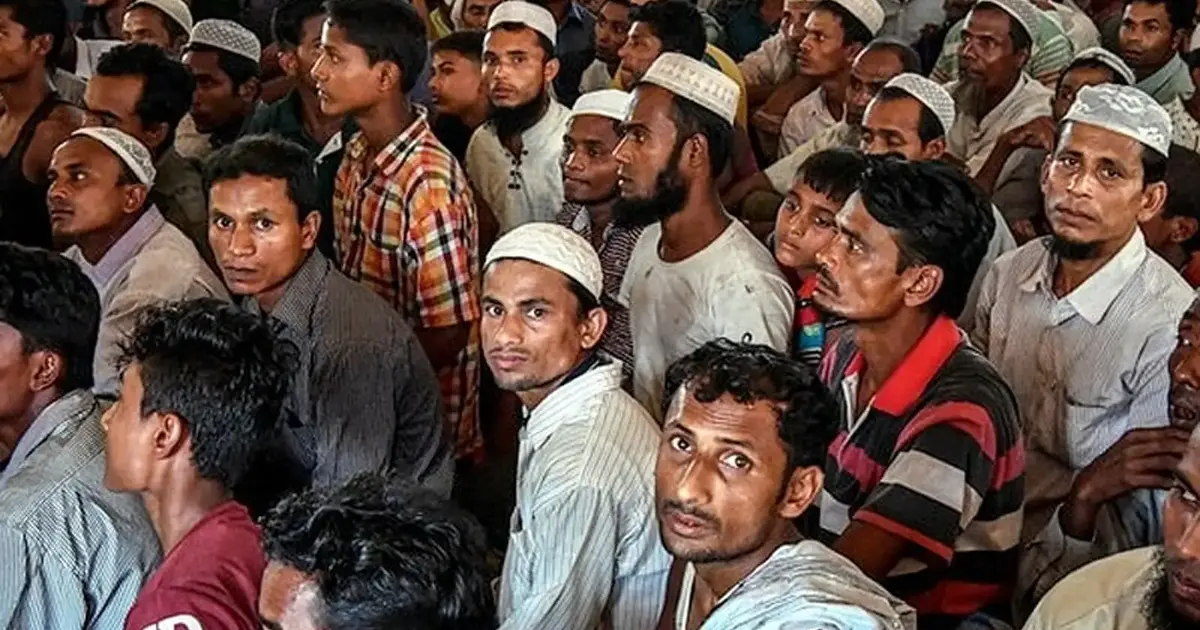
The denial underscores growing tensions surrounding the Rohingya presence in Malaysia, where the stateless population has swelled to become one of the world's largest refugee communities outside of camps. Malaysia, which is not a signatory to the 1951 Refugee Convention, has long maintained an ambiguous policy toward the Rohingya, treating them neither as formally recognised refugees nor as illegal immigrants, instead issuing them temporary documentation through the UNHCR.
The citizenship controversy reflects deeper anxieties within Malaysian society about the long-term settlement of the Rohingya population. Citizenship claims would represent a fundamental shift in status from temporary refuge to permanent residency, a prospect that has generated significant opposition among certain segments of the local population who express concerns about integration, resource allocation, and demographic change.
Rahimullah's rebuttal suggests that Rohingya leadership views such allegations as part of a broader pattern of misrepresentation that obscures the community's actual immediate needs and concerns. The council's intervention indicates awareness that false narratives can rapidly gain traction in the Malaysian information ecosystem, particularly through social media channels where inflammatory content spreads with limited fact-checking.
The timing of these allegations remains significant, coinciding with ongoing regional discussions about Rohingya resettlement and third-country solutions. Several Southeast Asian nations have resisted accepting responsibility for the Rohingya crisis, which originated from Myanmar's military operations in Rakhine State beginning in 2017, when an estimated 730,000 Rohingya fled persecution and violence.
Malaysia's experience hosting Rohingya populations illustrates the complexities facing nations in the developing world that bear disproportionate burdens in humanitarian crises. With limited international support mechanisms and no formal refugee status within the Malaysian legal framework, Rohingya residents depend heavily on UNHCR registration and community organisations for basic services including healthcare and education.
The Rohingya Ulama Council's public response reflects a strategic effort to maintain social cohesion and counter what the leadership perceives as deliberate attempts at community vilification. By addressing the citizenship claims directly, the council seeks to clarify that the Rohingya population's primary focus remains securing safe, dignified living conditions in their current circumstances rather than pursuing fundamental changes to their legal status.
The broader implications of this dispute extend to how misinformation affects policy discourse around refugee and migrant populations in Southeast Asia. When unsubstantiated claims circulate unchallenged, they can shape public opinion in ways that constrain humanitarian responses and complicate the already difficult position of stateless communities.
For Malaysian readers and policymakers, the distinction between factual reporting and fabricated claims about the Rohingya carries tangible consequences. Accurate information becomes essential for informed public debate about how Malaysia manages its refugee populations, what responsibilities the international community bears, and what practical solutions might emerge from third-country resettlement initiatives.
The council's denial also highlights how leadership within the Rohingya community attempts to navigate complex political terrain, balancing advocacy for members' welfare against the need to avoid inflaming public sentiment. This delicate position reflects the vulnerability of stateless populations who lack formal political voice and depend on maintaining community goodwill for basic acceptance.
Moving forward, the truthfulness of claims surrounding Rohingya intentions will likely continue to influence Malaysian public discourse and official policy approaches toward the community. The challenge for all stakeholders involves establishing reliable information sources and resisting the appeal of sensationalised narratives that oversimplify the situation while advancing particular political agendas.