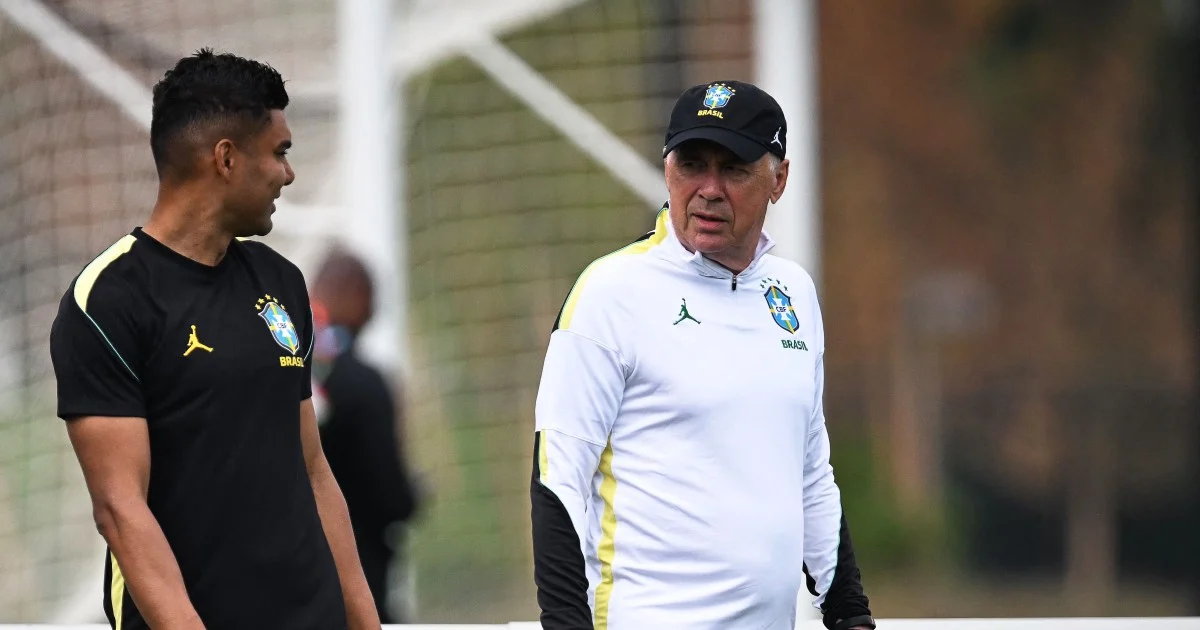
Brazil's World Cup qualifying campaign began with a frustrating stalemate rather than the commanding victory many expected, but coach Carlo Ancelotti is projecting calm determination as his squad prepares for a Group C encounter with Haiti in Philadelphia. Rather than succumbing to the pressure that often accompanies underwhelming debuts at major tournaments, the experienced Italian tactician is viewing the Morocco result as a learning opportunity that provides immediate grounds for tactical recalibration before facing their next opponent.
Ancelotti's measured approach reflects his considerable pedigree in international football management. His refusal to enter crisis mode signals confidence in his squad's ability to adapt and overcome the issues that prevented them from securing a commanding performance against the North African side. The 1-1 draw against Morocco, while not disastrous, nonetheless exposed vulnerabilities in Brazil's buildup play and defensive organization that cannot persist if they harbour genuine ambitions of tournament success.
The Friday matchup against Haiti represents the perfect platform for Brazil to demonstrate that the Morocco game was an anomaly rather than an indicator of deeper structural problems. Unlike more established footballing nations, Haiti will likely offer different tactical challenges and probably less sophisticated defensive organisation, potentially creating space for Brazil's attacking talents to flourish in ways the Moroccan setup deliberately restricted. This contextual difference is precisely what Ancelotti appears to be leveraging in his team management.
Brazil's quest for another World Cup title remains very much intact despite the opening draw, particularly given that such competitions invariably feature moments of misalignment even among the sport's elite sides. What matters significantly is how teams respond to early setbacks, and Ancelotti's composed demeanor suggests he possesses a clear blueprint for adjustments. His tactical nous has been proven across multiple elite European clubs and international settings, lending weight to his insistence that panic would be entirely premature.
The specific flaws exposed against Morocco warrant genuine attention, however. Brazil's midfield struggled to control possession at times, and their normally commanding defensive line appeared susceptible to transition opportunities that the Moroccan attackers exploited to secure their equaliser. These are not insurmountable problems, but they do demand concrete tactical responses rather than mere hope that such issues self-correct.
For Malaysian and Southeast Asian observers following the tournament, Brazil's response to adversity holds broader significance. The Seleção remain one of the tournament favourites, and their trajectory will heavily influence Group C standings. Understanding how elite coaching navigates setbacks—through measured analysis rather than emotional reaction—offers instructive lessons about tournament football at the highest level, where composure often determines which teams successfully navigate the demanding format.
Haiti, by contrast, enters the competition as significant underdogs, having qualified through a qualification route that differed substantially from the competitive regional tournaments that typically forge stronger opponents. This contextual advantage should theoretically allow Brazil greater creative freedom in their attacking setup, assuming Ancelotti can successfully translate his strategic intentions into on-pitch execution.
Ancelotti's refusal to panic also reflects modern football management philosophy, where emotional volatility is increasingly recognized as counterproductive. Players perform optimally when their leadership projects confidence and systematic problem-solving rather than reactive changes born from frustration. His Portuguese-language communications with the squad will carry significantly greater weight if they emphasize constructive pathways forward rather than dwelling on the Morocco disappointment.
The Haiti encounter will provide immediate evidence regarding whether Ancelotti's measured optimism is justified. If Brazil produces the fluid, dominant performance many anticipated in their opener, it will vindicate his calm analytical approach and suggest the Morocco result was genuinely an outlier. Conversely, a repeat of sluggish, disjointed football would force more fundamental questions about whether deeper issues are at play.
From a Southeast Asian perspective, Brazil's performance trajectory matters for understanding tournament dynamics and how dominant sides maintain momentum through group stages. Malaysian football enthusiasts understand that international competition punishes complacency, and Ancelotti's insistence on addressing the Morocco vulnerabilities before they potentially compound demonstrates the precise mentality required at this level.