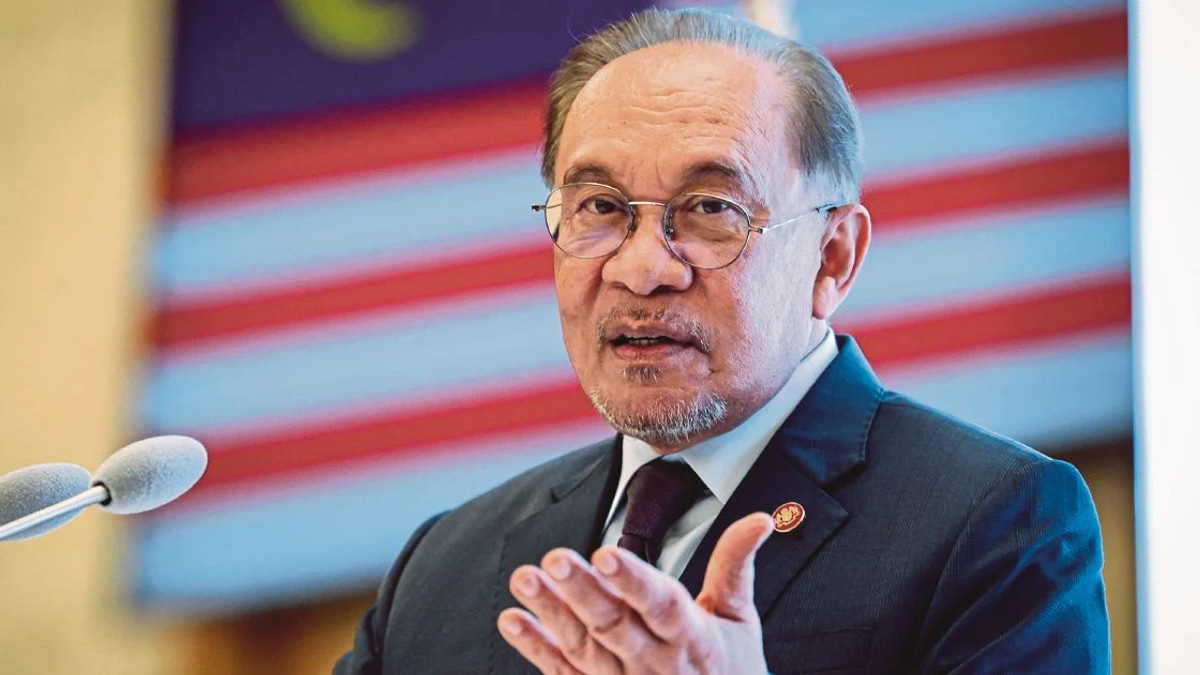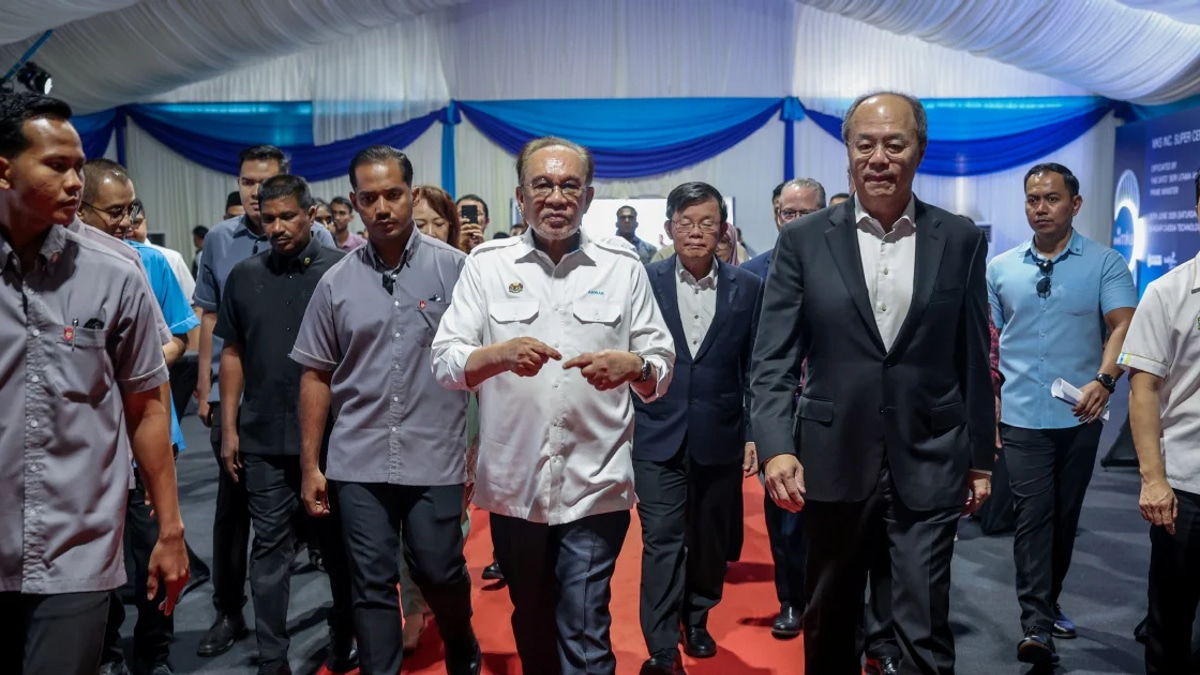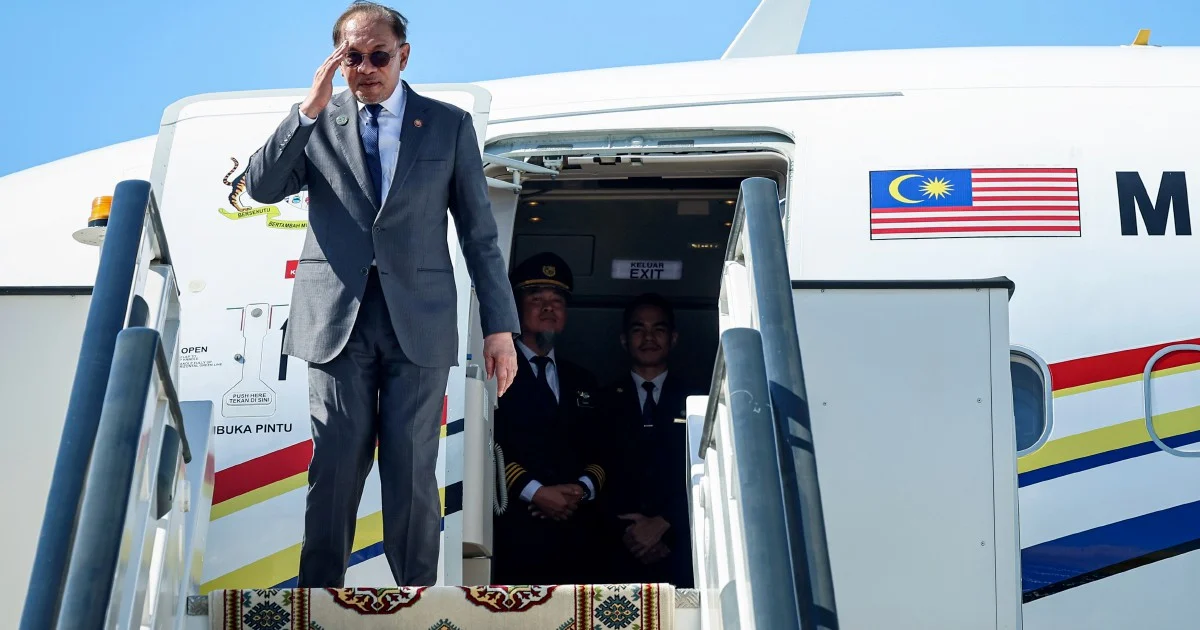
Prime Minister Datuk Seri Anwar Ibrahim touched down in Penang today following the conclusion of his official diplomatic mission to Turkmenistan, signalling a swift transition from Central Asian bilateral discussions to domestic engagements in the northern Malaysian state. The Premier's arrival in Butterworth marks the beginning of a significant calendar of events designed to strengthen media engagement and attract foreign investment to the region during a critical period for Malaysia's economic development.
The centrepiece of Anwar's Penang itinerary is his attendance at the National Journalists' Day (Hawana) 2026 grand finale, an annual celebration that underscores the government's commitment to press freedom and the vital role of journalism in democratic governance. This event assumes particular relevance given ongoing discussions about media responsibility, journalistic standards, and the delicate balance between editorial independence and national interests that has characterised recent months in Malaysian public discourse.
The timing of Anwar's participation in Hawana 2026 carries symbolic weight, coming as it does during a period when Southeast Asian democracies face mounting scrutiny over press freedom indices and institutional accountability. By personally attending the ceremony's closing proceedings, the Prime Minister reinforces messaging that his administration values the Fourth Estate's watchdog function, particularly as Malaysia navigates complex economic transitions and regional geopolitical shifts.
Beyond the journalists' gathering, Anwar's Penang schedule encompasses multiple investment-related forums and business engagements. These events appear designed to position Penang as a competitive destination for capital inflows, particularly in high-value sectors aligned with Malaysia's long-term economic diversification objectives. The convergence of high-level political presence with investor-focused activities reflects a deliberate strategy to leverage executive attention for attracting multinational corporations and international funds to the state.
Penang's significance in Malaysia's investment landscape cannot be overstated. The state has traditionally served as a manufacturing and technology hub, home to semiconductor plants, electronics factories, and increasingly, digital innovation clusters. By conducting these investment events personally, Anwar signals confidence in Penang's trajectory while attempting to elevate its profile within regional investment circles, particularly in competition with other ASEAN jurisdictions offering comparable incentives and infrastructure.
The juxtaposition of international engagement with regional development illustrates the multifaceted nature of modern prime ministerial responsibilities. Anwar's ability to conclude high-stakes diplomatic discussions in Turkmenistan—a nation relevant to Malaysia's Belt and Road Initiative participation and broader Central Asian trade relationships—while immediately pivoting to domestic development initiatives demonstrates the interconnected nature of foreign relations and domestic economic policy.
Turkmenistan, a significant energy producer and emerging economic partner within Belt and Road frameworks, represents a jurisdiction with which Malaysia has been deepening engagement. The concluded visit likely encompassed discussions on trade partnerships, investment cooperation, and potential joint ventures that could benefit Malaysian companies seeking access to Central Asian markets. The rapid pivot to Penang events suggests Anwar's intention to translate diplomatic achievements into tangible domestic outcomes, reinforcing a narrative of continuous economic engagement.
For Malaysian stakeholders, particularly media practitioners and business leaders, Anwar's intensive schedule underscores the government's dual commitment to institutional development and economic advancement. The presence of the Prime Minister at both media and investment forums sends consolidated messaging about administrative priorities, even as it demands considerable executive bandwidth and coordination across multiple governmental agencies and private sector participants.
The National Journalists' Day finale, by attracting top executive participation, affirms journalism's institutional standing within Malaysia's governance framework. This recognition becomes especially valuable during periods when media outlets face commercial pressures, regulatory scrutiny, and competition from digital platforms that have fractured traditional news consumption patterns. Symbolically, the Prime Minister's attendance validates journalism as essential infrastructure for democratic accountability.
Investor engagement in Penang carries implications extending beyond the state itself. Successful attraction of foreign capital to Penang strengthens Malaysia's broader positioning within ASEAN investment hierarchies and global supply chains. The state's continued growth contributes to federal economic metrics and demonstrates the government's capacity to execute targeted development strategies across diverse regions, addressing concerns about uneven development and economic concentration in certain areas.
The convergence of these events also reflects scheduling complexities at senior governmental levels. Anwar's compressed itinerary—moving rapidly from international engagements to domestic commitments—highlights the demanding nature of contemporary prime ministerial roles, where leaders must simultaneously manage bilateral relationships, attend to domestic economic priorities, and maintain visible engagement with civil society institutions.
Looking ahead, the outcomes of both the Hawana 2026 finale and the investment forums will likely generate significant media coverage and become reference points in discussions about government performance and media-state relations. The events create opportunities for substantive announcements regarding media policy initiatives, investment commitments, or regional development projects that could reshape narratives around governance effectiveness.
Anwar's presence in Penang thus represents more than a scheduling convenience—it embodies a deliberate exercise in political communication, institutional validation, and economic diplomacy. By personally engaging with journalists and investors within hours of concluding international discussions, the Prime Minister reinforces an administration narrative centred on simultaneous global engagement and domestic responsiveness, positioning Malaysia as a nation capable of competing internationally while investing seriously in internal development and institutional integrity.