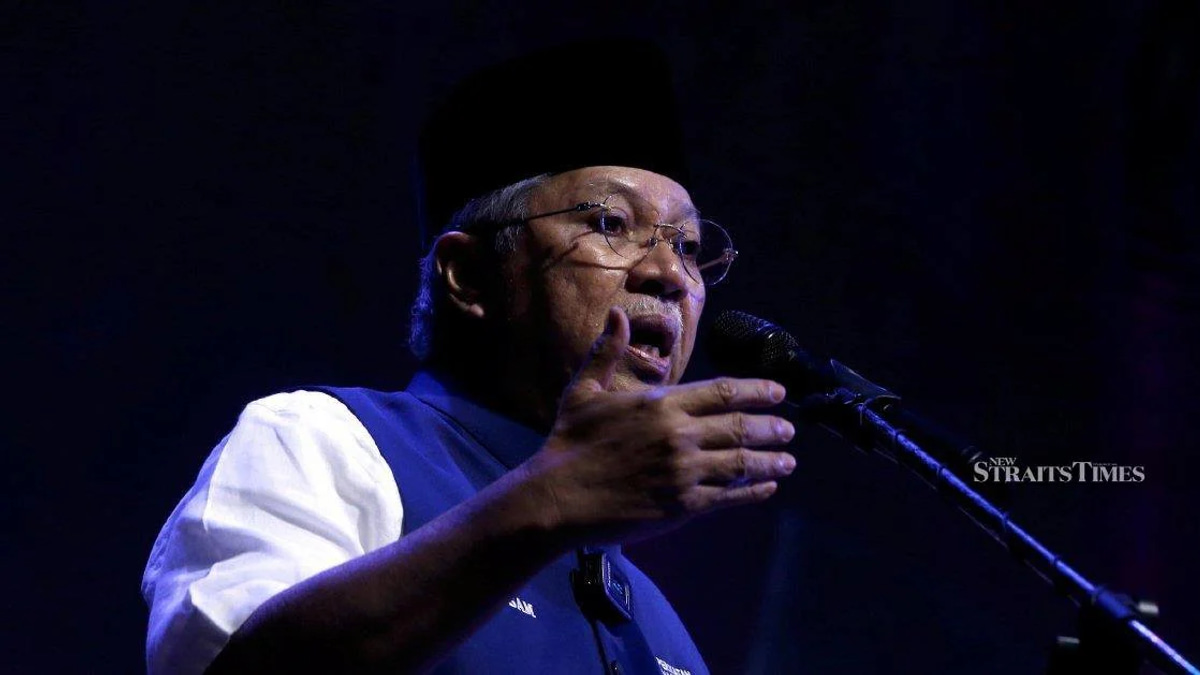
The future of Bersatu within Perikatan Nasional, the principal opposition coalition, rests on a forthcoming majority vote at the PN supreme council, marking a pivotal moment for the bloc's structural stability and leadership dynamics.
As Malaysia's political landscape continues to shift following recent electoral realignments, questions surrounding Bersatu's position within PN have grown increasingly contentious. The party, led by Muhyiddin Yassin, has occupied a complex role within the coalition since its formation, balancing its own organisational interests against the collective agenda of PN partners including PAS and Amanah. The decision to formally address Bersatu's membership status through a supreme council vote signals that tensions which have simmered beneath the surface have now reached a critical juncture requiring formal resolution.
The supreme council mechanism represents the highest decision-making body within PN, comprising senior representatives from all member parties and serving as the forum for resolving inter-coalition disputes. By employing majority voting rather than consensus, PN acknowledges that consensus has become unattainable and that decisive action is necessary to move forward. This procedural choice itself carries political weight, as it indicates that at least some parties within PN have sufficient numbers to impose their will on the coalition's direction regardless of unanimous agreement.
For Malaysian observers of opposition politics, the significance extends beyond Bersatu's administrative status. The coalition's ability to maintain unity directly affects its capacity to function as a credible alternative government and to mount coordinated challenges against the ruling Pakatan Harapan administration. Fragmentation within PN would further splinter the opposition at a time when many voters perceive weakness in Malaysia's parliamentary checks and balances. Conversely, a decisive vote to retain or remove Bersatu could either strengthen PN's internal discipline or crystallise the divisions that threaten its electoral viability.
Muhyiddin's position as Bersatu chair adds another layer of complexity to the proceedings. As a former prime minister with independent political standing and connections across Malaysia's political spectrum, his fate intertwines with that of his party. A vote that marginalises Bersatu effectively diminishes Muhyiddin's leverage within the opposition framework and raises questions about whether he might seek alternative political arrangements or positions that align better with his current standing and ambitions.
The timing of this vote reflects broader instability within the opposition coalition that has accumulated since the 2022 elections. Unlike ruling coalitions, which gain cohesion through access to federal resources and institutional authority, opposition blocs must maintain unity through ideological alignment and mutual political interest. When these synchronise imperfectly, as appears to be the case within PN, tensions surface around questions of leadership, resource allocation, and strategic direction that majority voting can only temporarily resolve.
For Southeast Asian political analysts, Malaysia's experience demonstrates how even ostensibly unified coalitions can fracture when their founding premise—opposition to a specific ruling arrangement—becomes less salient than internal competition for prominence and strategic advantage. PN's members, particularly PAS with its separate electoral base and governance responsibilities in several states, face competing pressures that do not always align with collective coalition interests. The Bersatu question likely reflects these deeper structural tensions rather than representing an isolated dispute.
The implications for Malaysian voters remain substantial. A fragmented or weakened opposition affects the quality of parliamentary accountability, the range of policy alternatives presented to the electorate, and ultimately the health of Malaysia's democratic institutions. While voters may hold differing views on PN's preferred policies, most would recognise that a functioning opposition strengthens democratic practices by forcing the government to justify its decisions and defend its record against sustained scrutiny.
Looking forward, the supreme council's majority vote will establish whether PN can reconsolidate around clearer institutional arrangements and shared expectations, or whether the coalition will continue its trajectory toward gradual dissolution. The precedent set by this decision—that majority voting can override dissenting parties—may also embolden smaller coalition members to pursue their own interests more aggressively, paradoxically accelerating the very fragmentation the vote intends to prevent. How PN navigates this tension will shape opposition politics throughout Malaysia's next electoral cycle.