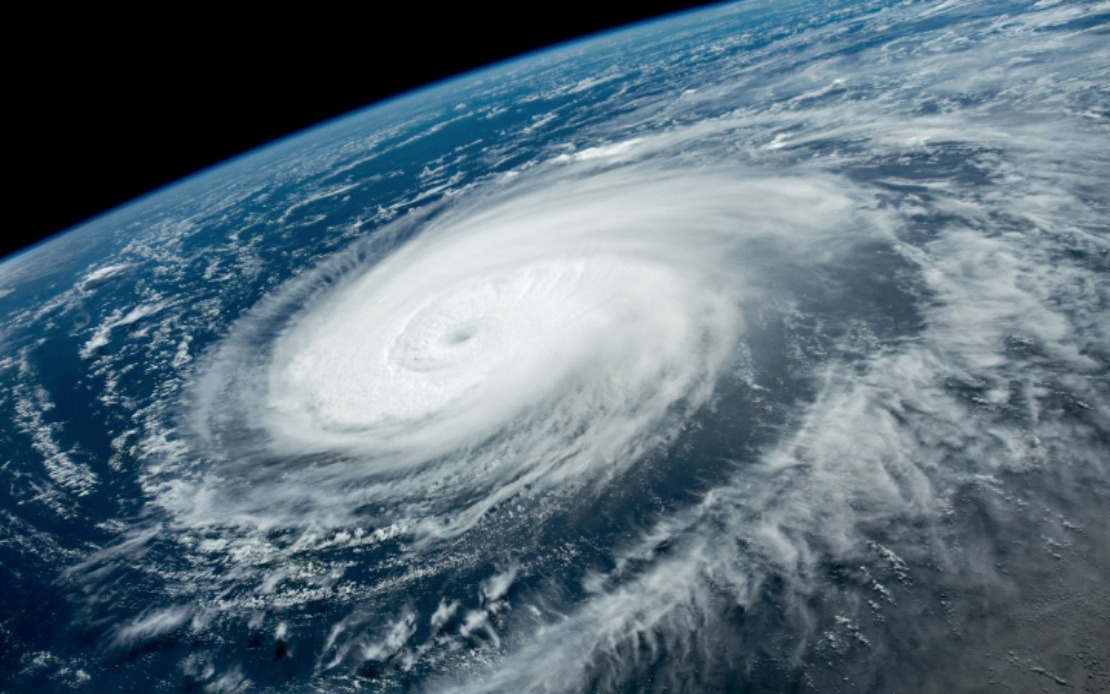
Eastern China is mobilising its disaster management machinery as Typhoon Dolphin tracks towards the coastal regions of Zhejiang and Fujian, with authorities bracing for a particularly severe weather event. On Saturday, the country's meteorological authority elevated the emergency response classification for Dolphin to Level III while simultaneously raising the typhoon warning from yellow to orange—signals that officials view the approaching system as a genuine and imminent threat to populated areas and critical infrastructure.
The storm is forecast to cross the coastline between two significant points—Zhoushan in Zhejiang Province and Fuding in Fujian Province—sometime between Sunday evening and Monday morning. This timing and location have triggered coordinated responses across multiple provinces, with each jurisdiction implementing pre-emptive measures to minimise casualties and protect economic assets. The scale of preparation reflects lessons learned from previous typhoons and the densely populated nature of China's eastern seaboard, where millions of residents and billions of dollars in industrial assets face exposure to tropical cyclone hazards.
Zhejiang Province, one of China's most economically vibrant regions, has responded by raising its own emergency response to the second-highest tier. The province has deployed more than 4,000 dedicated monitors to inspect approximately 7,500 locations deemed vulnerable to secondary disasters such as landslides and slope failures—hazards that frequently cause casualties during and immediately after major typhoons. By Friday morning, Zhejiang had achieved a comprehensive shutdown of passenger ferry operations across all 162 routes, halted all work at 193 offshore construction installations, and successfully recalled 474 construction vessels to safe harbour. These actions represent a significant economic interruption but underscore official prioritisation of public safety over commercial continuity.
Fujian Province has enacted comparable precautions tailored to its specific geography and industrial profile. Provincial authorities suspended operations on 40 passenger ferry routes and ceased work at 115 offshore construction projects by Saturday noon. More notably, all 1,210 registered fishing boats operating from the coastal city of Fuding had returned to port, removing thousands of citizens from potential harm and eliminating one major source of rescue operations that frequently complicate typhoon responses. The fishing industry in Fujian represents a significant livelihood base, making the forced port-in orders economically costly but operationally prudent.
Shanghai, China's largest city and financial centre, issued a blue-level typhoon alert on Friday as meteorologists projected the storm could deliver strong winds and sustained heavy rainfall for up to four days. Train services throughout the Yangtze River Delta region—a transportation network serving hundreds of millions of people—face partial suspension commencing Sunday. The disruption to rail connectivity in one of the world's most dynamic economic zones demonstrates the broad ripple effects that major tropical cyclones generate across modern supply chains and logistics networks that extend far beyond the immediate landfall zone.
The specific characteristics of Typhoon Dolphin have prompted comparative analysis from China's National Meteorological Centre. Xu Yinglong, chief forecaster at the centre, indicated that Dolphin presents a more dangerous profile than Typhoon Bavi, which made landfall in China during July. The distinction matters considerably: Dolphin is expected to deliver stronger wind speeds and heavier precipitation, factors that compound risks of structural damage, flooding, and terrain instability in mountainous and low-lying areas alike. This assessment validates the decision to escalate warning levels rather than treat the approaching storm as routine seasonal weather.
China's typhoon warning framework employs a four-tier colour-coded system designed to provide clear, intuitive communication to the general public and trigger standardised institutional responses. Red indicates the highest threat level, followed by orange, yellow, and blue in descending order of severity. The decision to raise Dolphin's classification to orange represents a significant escalation, suggesting forecasters have moved beyond precautionary conservatism into territory where major impacts appear probable rather than merely possible. This system's transparency and established protocols enable rapid coordination across government agencies and private enterprises that depend on clear situational assessment to make resource allocation decisions.
Parallel to the colour-coded warning system operates China's four-tier emergency response framework, with Level I representing the maximum mobilisation threshold. By upgrading to Level III for Dolphin, authorities have activated substantial institutional resources without necessarily triggering the most extreme measures. This graduated approach balances preparedness against the risk of response fatigue or economic disruption that could result from overly aggressive precautions. The decision reflects confidence in current forecasting precision while acknowledging genuine uncertainty inherent in tropical cyclone prediction.
For Southeast Asian nations, particularly those along China's periphery, developments unfolding in Chinese coastal provinces carry implications extending beyond border considerations. The increasing sophistication of China's disaster response mechanisms, the scale of early evacuation and asset protection efforts, and the apparent willingness of authorities to accept substantial economic costs for safety outcomes establish regional benchmarks for typhoon preparedness. Malaysia and other regional states monitoring these Chinese responses gain insight into contemporary best practices in tropical cyclone management, even as they confront their own seasonal storms and monsoon-driven weather systems that periodically challenge coastal infrastructure and agricultural production.
The economic dimensions of China's response warrant consideration from a regional perspective as well. The suspension of ferry services, the halting of offshore construction projects, and the curtailment of rail services demonstrate how a single meteorological event can fragment supply chains extending across multiple provinces and potentially affecting trading partners throughout Southeast Asia. Manufacturing facilities dependent on component deliveries, shipping operations requiring predictable port access, and service industries reliant on tourism and transportation all face disruption cascades when China's economic heartland contracts in response to major typhoons. Understanding these vulnerability patterns helps Malaysian policymakers and business leaders appreciate interconnections linking regional stability to meteorological events that may occur thousands of kilometres distant.

