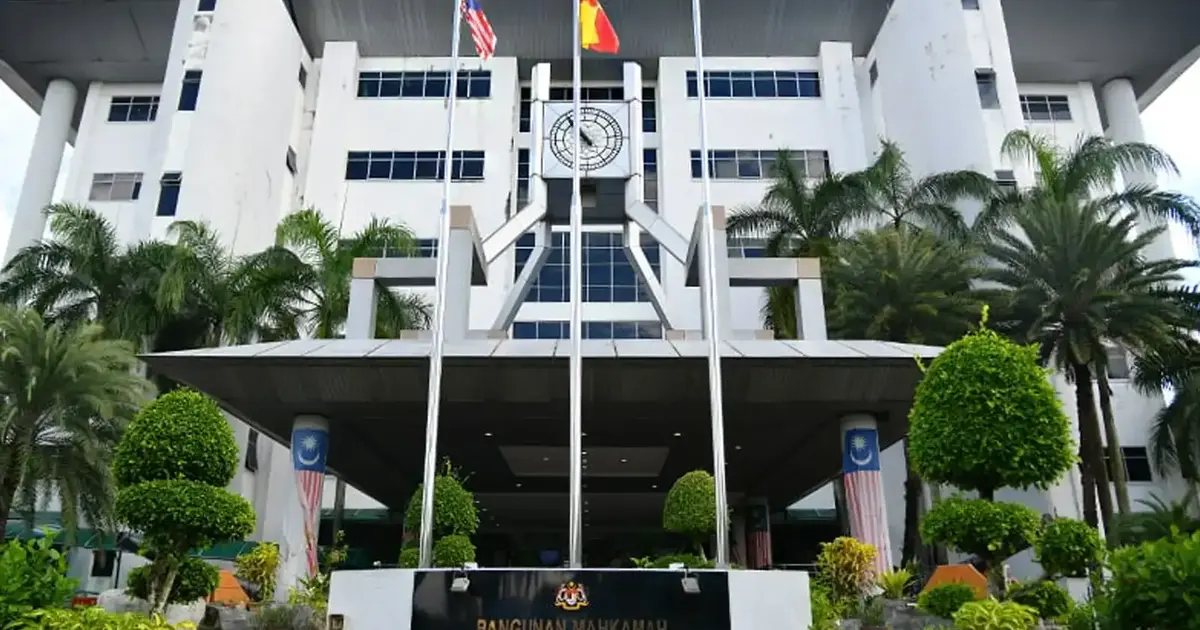
In a significant ruling on prosecutorial authority, Judicial Commissioner Asmah Musa has determined that the courts will not entertain civil lawsuits designed to challenge the attorney-general's discretionary decisions regarding criminal prosecution. This pronouncement underscores the established principle that prosecutorial discretion—the power to decide whether to bring criminal charges—remains largely insulated from judicial scrutiny through civil proceedings, a doctrine that carries profound implications for how Malaysians may seek recourse against perceived injustices in the criminal justice system.
The ruling reflects a longstanding legal principle that separates prosecutorial authority from civil remedies. Under Malaysian law, the attorney-general possesses constitutional powers to determine when and against whom criminal charges should be filed. This executive function, while significant, has traditionally been treated as largely non-reviewable through ordinary civil suits. Judicial Commissioner Asmah's pronouncement reinforces this boundary, establishing that individuals seeking to overturn or challenge a prosecution decision cannot pursue that objective through the civil courts system, which is primarily designed to resolve disputes between private parties or determine questions of tort and contract law.
The distinction between civil and criminal proceedings becomes critical when examining this judgment. Civil courts operate within a framework designed to compensate injured parties or resolve contractual disputes, whereas prosecutorial decisions operate within the criminal law enforcement sphere. By ruling that civil suits cannot be the vehicle for challenging prosecution choices, the court maintains this institutional separation. The implication is that if citizens wish to contest a prosecution decision, they must pursue alternative avenues rather than filing civil cases seeking declarations or injunctions against the attorney-general's office.
This ruling assumes particular relevance within Malaysia's constitutional context. Article 145 of the Federal Constitution vests the attorney-general with broad prosecutorial discretion. Unlike some jurisdictions where prosecutorial decisions are subject to judicial review on grounds of reasonableness or procedural fairness, Malaysia's legal framework has traditionally granted substantial deference to the attorney-general's judgment. The judicial commissioner's decision reinforces this constitutional design, suggesting that the remedy for aggrieved parties lies not in the courts but potentially in political or administrative channels.
For Malaysian citizens and legal practitioners, the ruling clarifies an important procedural boundary. Those who believe they have been wrongly prosecuted or whose relatives face charges they consider unjust cannot simply sue the attorney-general to stop the proceedings through a civil action. This does not mean prosecution decisions are entirely beyond scrutiny—such decisions could theoretically be challenged through judicial review if they violate constitutional rights or manifest procedural impropriety—but the civil suit mechanism is not the appropriate tool for such challenges.
The judgment also speaks to broader questions about separation of powers and institutional competence. Courts, the reasoning suggests, should not second-guess the attorney-general's professional judgment about which cases merit prosecution. The attorney-general, as a constitutional officer, is accountable to the electorate and government, not primarily to the judiciary for exercise of prosecutorial discretion. Allowing civil suits to challenge such decisions could inundate courts with cases seeking to undermine prosecutions and might encourage litigious strategies designed to impede criminal investigations rather than resolve genuine legal disputes.
Regionally, this Malaysian approach aligns with practices in several Commonwealth jurisdictions, where prosecutorial discretion has historically enjoyed judicial deference. However, it contrasts with evolving standards in some jurisdictions where administrative law principles have extended limited judicial review to prosecutorial decisions on grounds of procedural fairness or discrimination. The ruling suggests Malaysia is maintaining the traditional approach rather than modernizing prosecutorial accountability.
For the legal profession and civil society organisations in Malaysia, this decision may prompt reflection on alternative mechanisms for addressing concerns about prosecutorial decisions. Some argue that greater transparency in prosecution decisions, clearer prosecutorial guidelines, and enhanced oversight through the attorney-general's office itself could provide more effective accountability than judicial intervention. Others suggest that the ruling leaves genuine victims of prosecutorial abuse without adequate remedies, particularly if administrative complaint processes prove ineffective.
The practical consequences of this judgment extend to ongoing cases and future litigation strategy. Defendants or their families cannot rely on civil suits as a collateral attack on prosecutions they believe are wrongly motivated or procedurally flawed. Instead, they must mount their defences within the criminal proceedings themselves, challenging evidence and procedure through available criminal law mechanisms. This places considerable weight on the criminal justice process to police itself fairly.
Judicial Commissioner Asmah's pronouncement also reflects institutional humility—a recognition that courts should remain within their defined sphere rather than extending oversight into every corner of executive decision-making. However, this restraint assumes that other accountability mechanisms function effectively. In a system where those mechanisms may be limited, the boundary between reviewable and non-reviewable prosecutorial decisions becomes especially consequential for access to justice.
The ruling will likely influence how future cases are framed and what remedies litigants seek. Rather than pursuing civil actions against prosecution decisions, lawyers may focus on constitutional challenges through judicial review, habeas corpus applications, or defences mounted during criminal trials. This channels disputes through established criminal procedure rather than allowing them to spill into the civil courts system.

