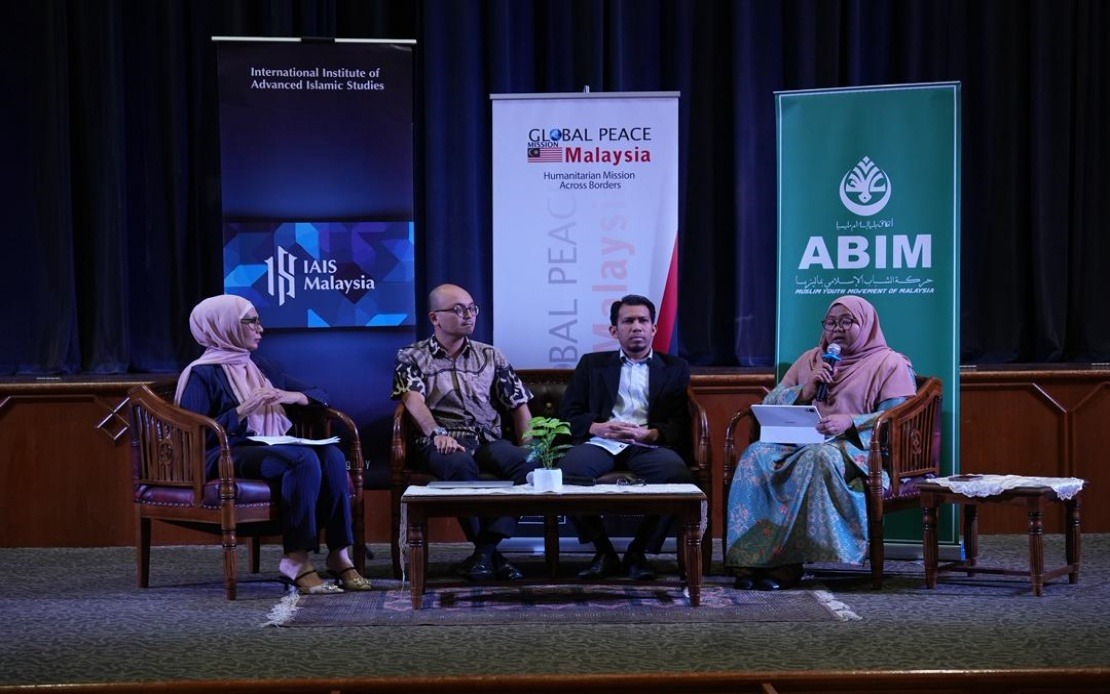
Malaysia convened a landmark solidarity conference on June 20 focused on refugee issues, where participating organisations adopted 10 resolutions designed to shape future government policy and public discourse on asylum seekers and displaced persons. The Kuala Lumpur: Solidarity with Refugees Conference brought together representatives from civil society groups, universities, humanitarian agencies, international bodies and community figures at the International Institute of Advanced Islamic Studies (IAIS) Malaysia, signalling growing civil society engagement with a topic that has increasingly polarised public opinion in the region.
The resolutions represent a carefully calibrated effort to address what organisers characterise as a dangerous gap between public sentiment and the lived realities of refugee populations. A central theme throughout the conference's deliberations was the need to balance legitimate national security and social concerns with acknowledgment of Malaysia's humanitarian obligations and longstanding experience managing displaced communities. This balancing act reflects the complex political terrain surrounding refugee policy in Southeast Asia, where concerns about security, employment and resource allocation have fuelled anti-refugee rhetoric while Malaysia simultaneously hosts over 180,000 UNHCR-registered refugees and asylum seekers.
Ahmad Fahmi Mohd Samsudin, president of Angkatan Belia Islam Malaysia (ABIM), one of the conference organisers, emphasised that the resolutions emanated from frontline experience rather than abstract principle. He explained that organisations working directly with refugee communities had contributed their practical insights, positioning the 10-point framework as grounded in operational knowledge that could strengthen government decision-making. ABIM and its partners intend to present these resolutions to Members of Parliament and other stakeholders, creating a formal channel for civil society input into refugee policy discussions.
Planned follow-up engagement with the Home Ministry and the National Security Council (MKN) suggests ambitions to embed these recommendations into government structures. This institutional approach contrasts with advocacy that operates purely outside government channels, potentially offering greater likelihood of policy adoption. However, it also raises questions about whether civil society recommendations can maintain independence while pursuing formal integration into state decision-making processes.
A particularly significant aspect of the conference's work involved confronting rising anti-refugee sentiment and the role of misinformation in shaping public attitudes. Ahmad Fahmi articulated a specific concern that xenophobic narratives targeting refugees, if left unchecked, could metastasise into broader social divisions affecting other vulnerable groups. This reflects a sophisticated understanding of how scapegoating mechanisms operate, whereby displacement of blame onto refugee populations can establish patterns that subsequently encompass minorities, migrant workers and other groups perceived as external threats.
The conference rejected all manifestations of discrimination and dehumanisation while simultaneously acknowledging that public anxieties about security, policing, employment and social services deserve substantive responses grounded in evidence. This dual commitment represents an attempt to move refugee discourse beyond polarised positions where one side dismisses all concerns as bigotry while the other treats refugees as inherent security risks. Instead, the framework envisions serious engagement with documented challenges while insisting these be addressed through rigorous analysis rather than emotional appeals or conspiracy theories.
Among the specific resolutions, participants called for strengthened data collection and refugee registration systems developed collaboratively with the United Nations High Commissioner for Refugees (UNHCR) and other partners. Better documentation and orderly management mechanisms could reduce administrative confusion that sometimes fuels public anxiety, while also ensuring more transparent allocation of resources and services. Malaysia's extensive experience hosting refugees from Vietnam, Syria, Bosnia and Palestine over decades provides institutional memory and established protocols that could inform such enhanced systems.
Critically, the conference identified public education and media literacy as foundational to shifting the refugee policy environment. Participants recognised that combating xenophobic narratives requires not only countering false claims but building positive understanding of refugee populations' contributions and vulnerabilities. The digital information landscape presents particular challenges, with social media enabling rapid dissemination of misinformation and coordinated hate campaigns that can overwhelm measured public discourse.
The resolutions therefore supported establishing protective mechanisms for NGOs, activists and humanitarian organisations facing online attacks, harassment and disinformation campaigns. This reflects recognition that civil society actors advocating for refugee rights increasingly face organised digital hostility that can damage reputations and discourage engagement. Creating institutional support structures to document, counter and publicly expose such campaigns could strengthen civil society resilience while demonstrating sophisticated media ecosystems require sophisticated defensive responses.
Malaysia's position as a non-signatory to the 1951 Refugee Convention adds complexity to these deliberations. The country operates a de facto humanitarian system without formal treaty obligations, creating both flexibility and vulnerability in how refugee policy develops. This status means Malaysia has discretion to shape its own approach while lacking international legal frameworks that typically guide signatory nations. The conference's emphasis on developing a distinctly Malaysian model—balancing humanitarian values with national interests—reflects pragmatic acknowledgment of this unique position.
The conference outcomes suggest civil society recognises that refugee policy cannot be resolved through advocacy alone but requires engagement with government institutions, international organisations, community leaders and the broader public. Bringing these constituencies together in structured dialogue creates possibilities for policy evolution, though success depends on genuine government receptiveness to civil society input and willingness to move beyond securitised framings that have dominated refugee discourse in recent years. The coming months will reveal whether the resolutions catalyse meaningful policy discussions or remain largely symbolic gestures.
For Malaysia and Southeast Asia more broadly, the Kuala Lumpur conference addresses a region increasingly hosting displaced populations while experiencing rising xenophobic sentiment. How Malaysia navigates these competing pressures—respecting humanitarian obligations while addressing legitimate public concerns—could influence approaches across the region. The framework emerging from this conference, emphasising evidence-based policy, protection of civil society voices, and public engagement grounded in facts rather than fear, offers a model for how other nations might address similar tensions.