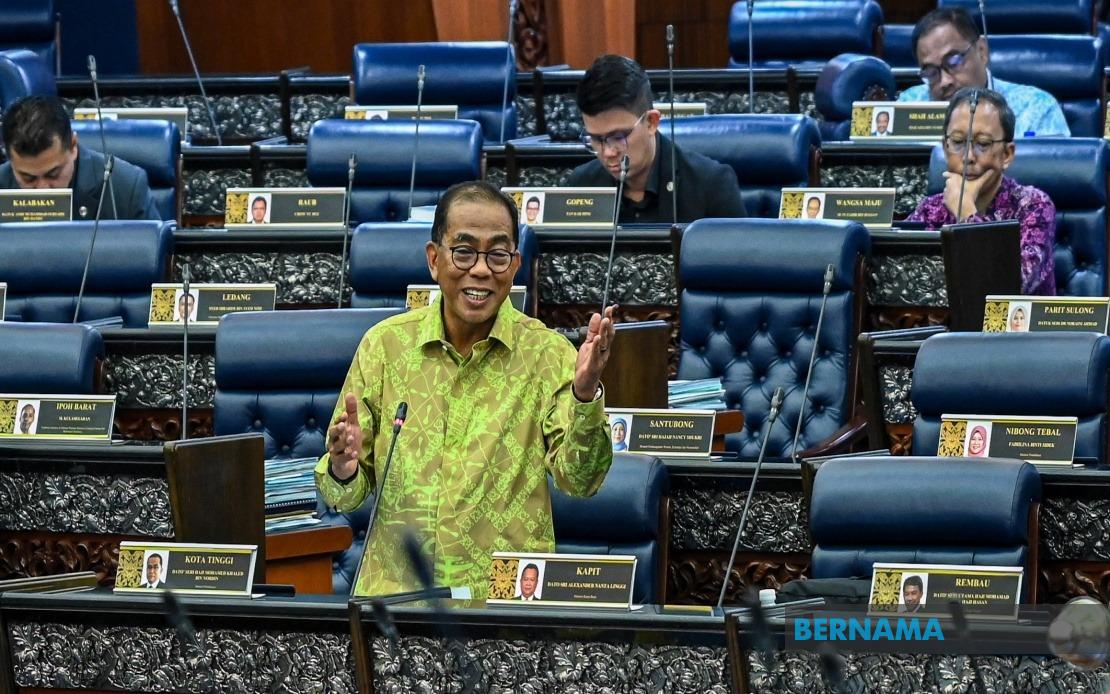
The Malaysian Defence Ministry is preparing a comprehensive investigation report into the fatal grenade explosion at Hobart Camp Firing Range in Gurun, Kedah, which is scheduled for submission on July 23. Defence Minister Datuk Seri Mohamed Khaled Nordin outlined the timeline during parliamentary proceedings, explaining that the delayed report reflects the complexity of examining technical factors, adherence to safety protocols, and witness accounts surrounding the incident that claimed two military personnel.
The tragic explosion occurred on June 16 during a Combat Enhancement Training exercise at approximately 10.57 am, resulting in the deaths of Lance Corporal Siti Khadijah Sungip and Sergeant Norazmi Abu Bakar, an instructor supervising the training activity. Both soldiers sustained severe blast injuries while inside a bunker and died en route to Sultan Abdul Halim Hospital in Sungai Petani. The incident immediately drew attention to military training safety protocols and prompted urgent institutional responses across the armed forces hierarchy.
A board of inquiry was formally established the day after the explosion and began systematic examination of the circumstances. The initial findings were forwarded to the 2nd Division Headquarters and Army Western Field Command Headquarters for evaluation. When the Defence Ministry received the board's preliminary report on July 13, officials identified significant gaps in the investigative material that necessitated further work. Senior leadership determined that recalling existing witnesses and potentially gathering additional testimonies would substantially strengthen the final conclusions about what triggered the explosion.
This methodical approach underscores the ministry's commitment to establishing definitive causes before making public determinations. Mohamed Khaled emphasized that thoroughness in this phase prevents speculative conclusions and ensures that any safety recommendations flowing from the investigation rest on solid factual foundations. For military families and the broader public concerned about training safety, this measured process signals institutional seriousness rather than rushing toward convenient explanations.
The incident prompted immediate protective measures across the armed forces. General Tan Sri Azhan Md Othman, the Army Chief, ordered a comprehensive suspension of all grenade-throwing exercises pending completion of the investigation. Additionally, he directed a thorough special inspection of all remaining grenades held by the 1st Squadron of the Royal Engineer Regiment, ensuring that no defective ammunition remained in circulation. These precautions demonstrate how single catastrophic incidents can trigger system-wide reviews that benefit training safety far beyond the immediate context.
Beyond reactive suspension of activities, the Defence Ministry has begun implementing structural improvements to training infrastructure and oversight. The installation of closed-circuit television cameras at firing ranges will create permanent visual records of exercises, establishing objective documentation of events and procedures. Body-worn cameras on personnel will capture real-time perspectives during high-risk training activities, providing multiple angles for later analysis. These technological enhancements reflect global best practices in military training safety and represent significant investment in accident prevention and investigation capability.
The ministry has also introduced a casting policy for ammunition and explosives that formally establishes service life parameters for munitions held in inventory. Grenades, like all explosive devices, degrade over time as chemical compounds within them break down, and establishing clear service life protocols prevents the use of unstable or compromised ordnance. Such systematic management of explosive materials addresses a fundamental safety concern in military training environments and demonstrates professional stewardship of dangerous equipment.
The Gurun incident reflects broader challenges facing military institutions in Southeast Asia as they balance training intensity with occupational safety. Armed forces require realistic, demanding exercises to prepare personnel for genuine operational conditions, yet insufficient safety culture or outdated equipment can transform necessary training into deadly risk. Malaysia's response indicates institutional capacity to conduct rigorous self-examination and implement measurable reforms rather than dismissing incidents as unavoidable costs of military service.
For Malaysian civilian administrators and legislators, the investigation also carries implications regarding defence procurement and maintenance budgets. Grenade quality, firing range infrastructure, and safety supervision all require adequate funding to maintain at operational standards. The parliamentary inquiry by Datuk Mohd Isam Mohd Isa reflects elected representatives' accountability role in overseeing defence ministry spending and performance on behalf of taxpayers and military personnel.
The July 23 submission date provides a firm benchmark against which the Defence Ministry's investigative competence will be measured. Delayed reports can erode public confidence in institutional processes, particularly when casualties have occurred. Conversely, timely submission of a thorough, well-reasoned analysis demonstrates professional capacity and respect for the victims' families seeking clarity about the circumstances surrounding their loss.
Regional security observers note that military training casualties often receive less systematic investigation in some jurisdictions compared to Malaysian institutional practices. The establishment of formal boards of inquiry, parliamentary accountability, and public reporting of findings reflects a governance approach that treats military deaths with appropriate seriousness. Such institutional maturity contributes to broader regional confidence in Southeast Asian armed forces' professional standards.
The promised improvements in ammunition management, firing range surveillance, and witness documentation will likely influence training protocols across Malaysia's defence establishment more broadly. When one unit's incident triggers system-wide assessments and infrastructure upgrades, the casualties become part of a learning process that may prevent future tragedies in other units. This systemic approach to safety improvement represents how institutional responses to discrete incidents can generate broader institutional benefits.

