%22%2F%3E%3C%2Fpattern%3E%3C%2Fdefs%3E%3Crect%20width%3D%22100%25%22%20height%3D%22100%25%22%20fill%3D%22url(%23ph2mtf2g)%22%2F%3E%3Crect%20width%3D%22100%25%22%20height%3D%22100%25%22%20fill%3D%22url(%23ph2mtf2p)%22%2F%3E%3Ctext%20x%3D%2250%25%22%20y%3D%2250%25%22%20text-anchor%3D%22middle%22%20dominant-baseline%3D%22central%22%20fill%3D%22rgba(255%2C255%2C255%2C0.95)%22%20font-family%3D%22Georgia%2C%20'Times%20New%20Roman'%2C%20serif%22%20font-weight%3D%22700%22%20font-size%3D%22226%22%20letter-spacing%3D%22-0.02em%22%3EHamzah%3C%2Ftext%3E%3C%2Fsvg%3E)
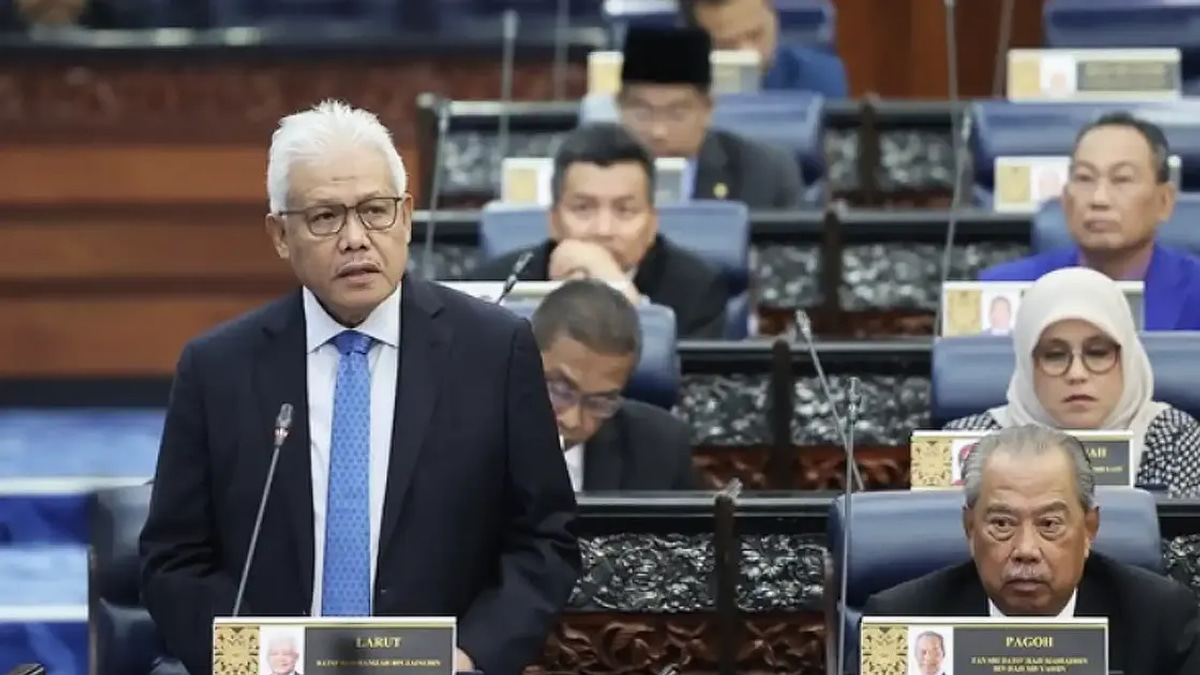
The Dewan Rakyat Speaker Tan Sri Johari Abdul has formally confirmed the appointment of Hamzah Zainuddin as the Opposition Leader, drawing a clear line in Malaysian parliamentary politics and signalling the consolidation of opposition ranks following months of political manoeuvring. The confirmation came after the Speaker received official notification from the Prime Minister's office on the identity of the individual recognised as leading the opposition bench, a procedural step that carries constitutional weight in formalising parliamentary hierarchies.
This development represents a significant moment in Malaysia's political evolution, as Hamzah Zainuddin's elevation to the opposition frontline reflects broader shifts in party allegiances and coalition dynamics that have reshaped the country's political architecture since the 2022 general election. The formal recognition provides clarity on the parliamentary opposition structure at a time when Malaysia's political landscape remains fragmented, with multiple factions and competing interests within and across party lines. The Speaker's confirmation removes any ambiguity regarding who commands the opposition benches and speaks for the coalition outside government.
Parallel to this development, former Prime Minister Muhyiddin Yassin has been relocated to a new parliamentary seat, a move that reflects the ongoing reorganisation within opposition ranks. This repositioning underscores the complex internal dynamics within the opposition alliance, where various personalities and power centres jostle for influence and prominence. The change in seating arrangements, while ostensibly administrative, carries symbolic weight in parliamentary tradition and suggests adjustments in the operational structure of the opposition coalition.
For Malaysian observers and political analysts, Hamzah Zainuddin's confirmation as Opposition Leader carries implications for how parliamentary business will be conducted in the coming months. As the formally recognised leader of the opposition, he will have increased responsibilities in coordinating opposition responses to government legislation, leading parliamentary debates on key issues, and representing the collective interests of opposition MPs during parliamentary sessions. This position grants him significant platform access and symbolic authority, even though the opposition remains in the minority in Parliament.
The background to this development lies in the fractious nature of Malaysian opposition politics. Since the 2022 election, the opposition has struggled to present a united front, with Pakatan Harapan, Perikatan Nasional, and various independent MPs operating with different strategic priorities and occasionally conflicting interests. The formal recognition of a single Opposition Leader represents an attempt to create a clearer institutional framework and reduce the confusion that arises when multiple voices claim to speak for the opposition.
Hamzah Zainuddin brings considerable parliamentary experience to the role, having served in various ministerial positions and held significant party posts within Perikatan Nasional. His appointment as Opposition Leader consolidates the position of his faction within the opposition alliance and provides a coherent point of contact for parliamentary procedures and inter-party negotiations. The Speaker's confirmation lends official institutional sanction to an arrangement that may have been agreed informally among opposition parties.
The relocation of Muhyiddin Yassin to a new seat, while appearing to be a minor procedural matter, carries deeper significance within Malaysian parliamentary culture. Seating arrangements often reflect hierarchies and power relationships, and the move suggests a recalibration of roles within the opposition structure. Muhyiddin's repositioning may indicate a shift toward a more defined leadership structure rather than shared or competing claims to opposition leadership, though his ongoing influence within Perikatan Nasional remains substantial despite the change in seating.
For government operations and parliamentary dynamics, the confirmation of a single Opposition Leader simplifies procedural matters and establishes clear channels of communication between the executive and the principal opposition representative. Parliamentary business often requires consultations between government and opposition on matters of procedure, scheduling, and institutional management. Having a formally recognised Opposition Leader streamlines these interactions and provides predictability in parliamentary conduct.
From a Southeast Asian perspective, Malaysia's approach to formally recognising opposition leadership reflects broader regional practices of institutionalising parliamentary opposition roles. Neighbouring countries have similar mechanisms for acknowledging opposition leaders, and Malaysia's adoption of this practice signals an evolution toward more structured parliamentary democracy, even as the political system remains characterised by fractious coalition politics and frequent realignments.
The implications for future parliamentary sessions appear substantial. Hamzah Zainuddin's confirmation positions him as the focal point for opposition unity efforts and parliamentary strategy. The opposition's ability to coordinate effectively on key legislative matters, budgetary scrutiny, and government accountability will substantially depend on how well he manages the heterogeneous coalition he now formally leads. Success in this role requires balancing the interests of different opposition parties, managing competing egos within the coalition, and maintaining focus on shared parliamentary objectives despite deep policy disagreements.
Looking forward, this formalisation of opposition leadership may signal movement toward greater parliamentary institutionalisation, even if Malaysia's party system remains volatile and subject to sudden realignments. The Speaker's confirmation provides a foundation for structured opposition engagement with government on parliamentary matters, though the underlying political divisions and coalition dynamics will continue to shape the opposition's overall effectiveness in parliamentary proceedings and broader political competition.