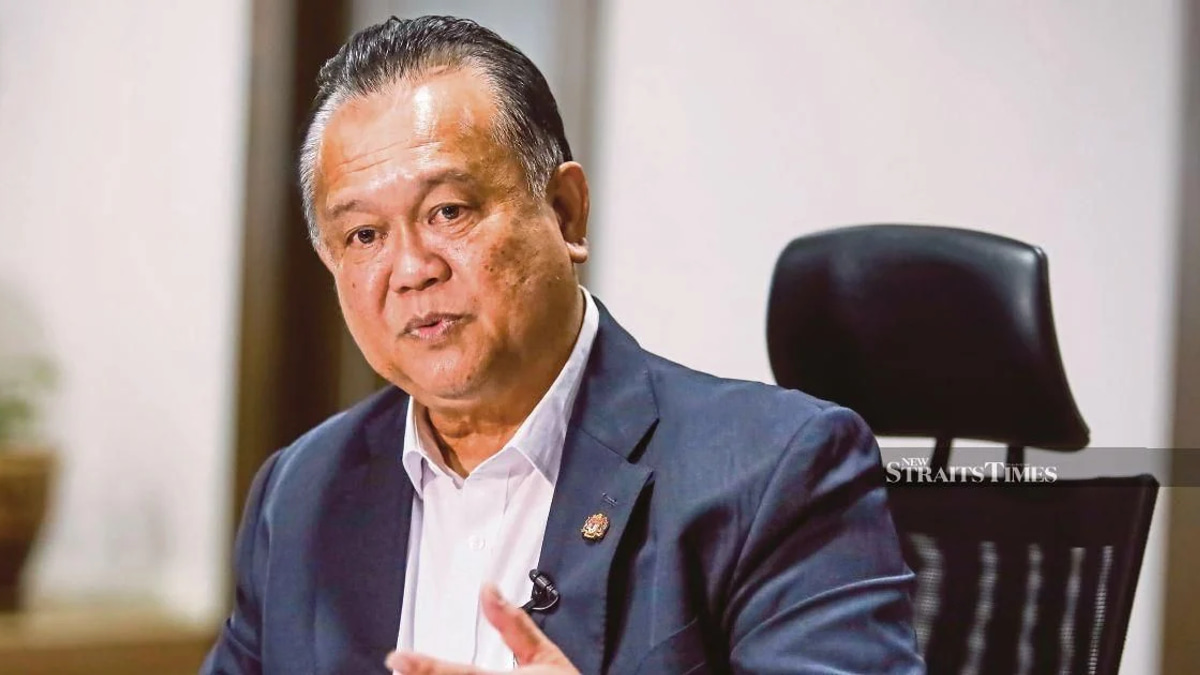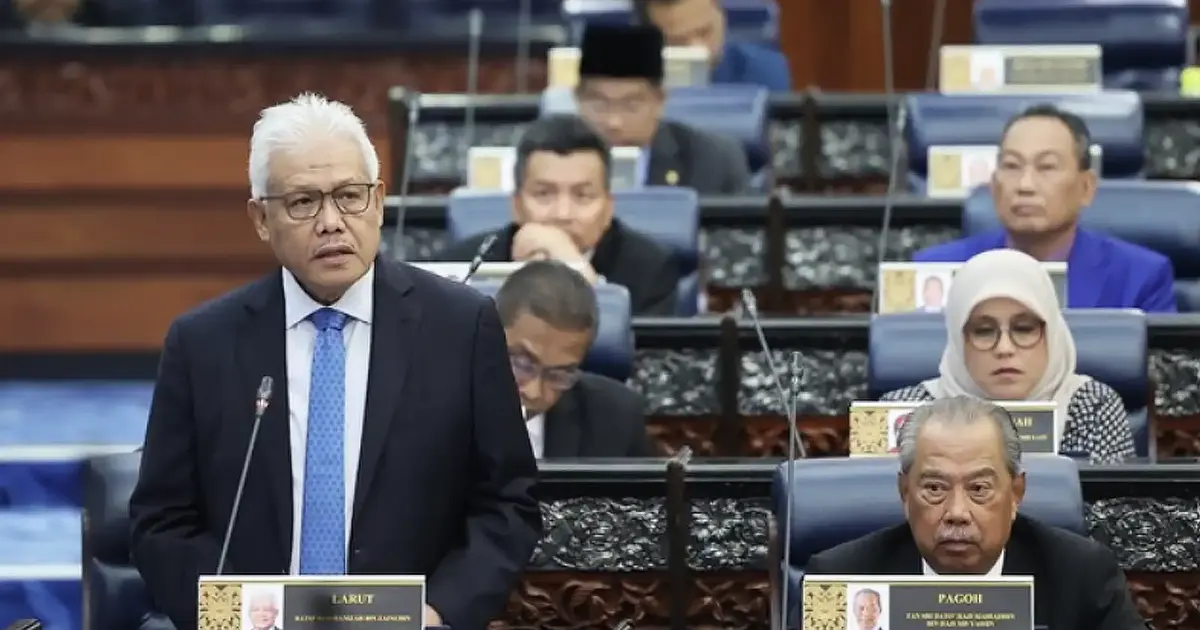
Dewan Rakyat Speaker Johari Abdul has revealed that former Prime Minister Ismail Sabri Yaakob's predecessor, Muhyiddin Yassin, petitioned for a change in his seating arrangement within the lower house of parliament. The disclosure came as the speaker simultaneously confirmed receipt of formal documentation establishing Larut MP Hamzah Zainudin as the officially recognized opposition leader, a significant procedural development with implications for parliamentary opposition dynamics in Malaysia.
The speaker's announcement regarding the seat relocation request marks a notable moment in Malaysian parliamentary proceedings. Such requests from members are relatively uncommon and typically reflect either personal preferences or strategic positioning within the chamber. While the specific reasons behind Muhyiddin's request remain undisclosed, parliamentary analysts note that seating arrangements carry symbolic weight in legislative bodies, particularly for senior figures and former heads of government who command considerable political influence and media attention.
Muhyiddin's tenure as Prime Minister from March 2020 to August 2021 represented a transformative period in Malaysian politics, characterized by the collapse of the Pakatan Harapan government and the subsequent formation of the Perikatan Nasional coalition. His government navigated the initial waves of the COVID-19 pandemic and oversaw significant policy shifts, though it ultimately proved short-lived as internal coalition fractures and defections eroded his parliamentary majority. His current status in parliament reflects the complex realignments that have defined Malaysian politics over the past three years.
The confirmation of Hamzah Zainudin's position as opposition leader through formal letter represents an essential institutional formality that clarifies parliamentary hierarchies and procedural rights. Hamzah, who represents the Larut constituency in Perak, assumes significant responsibility for coordinating opposition activities and articulating alternative policy positions to the government majority. The formal recognition grants opposition leadership access to parliamentary resources, speaking privileges, and direct engagement channels that facilitate the legislative scrutiny function central to democratic governance.
Hamzah's elevation to this leadership position carries particular significance given Malaysia's fractious opposition landscape. The opposition has historically struggled with unified messaging and coordination, with multiple political parties and independent members operating with varying strategic objectives. The formalization of opposition leadership under Hamzah's stewardship provides structural clarity and potentially enhances the opposition's capacity to mount coherent legislative challenges and develop consistent alternative narratives on key policy matters.
From a Malaysian governance perspective, these developments reflect broader institutional adjustments following the relatively recent shifts in government composition. The nation has experienced several significant transitions in executive leadership and parliamentary configuration in recent years, necessitating careful attention to procedural norms and structural clarity. Effective parliamentary opposition serves as a critical counterbalance to executive power, ensuring governmental accountability and protecting minority interests through rigorous legislative scrutiny.
The speaker's role in managing such administrative matters underscores the significance of maintaining neutral institutional oversight within parliament. Johari Abdul's confirmation of both the seat change request and the opposition leader's status exemplifies the speaker's responsibility to facilitate orderly parliamentary procedures while maintaining respect for all members regardless of their political affiliation or seniority. These routine administrative functions, while often overlooked by observers, constitute the foundational mechanisms through which democratic institutions operate effectively.
For Malaysian readers and regional observers, these developments illustrate the ongoing evolution of Malaysia's parliamentary democracy following years of considerable political turbulence. The nation has transitioned through multiple governments and witnessed unprecedented political realignments, including the entry of new political forces and the reconfiguration of existing coalitions. Within this context, attention to procedural clarity and institutional stability becomes increasingly important for maintaining public confidence in democratic institutions.
Looking forward, the formalization of opposition leadership under Hamzah Zainudin's stewardship will likely shape parliamentary dynamics for the coming period. An organized and coherent opposition can effectively raise important policy questions, expose governmental shortcomings, and present alternative visions for national development. This institutional clarity should strengthen parliamentary proceedings and enhance the legislative body's capacity to fulfill its constitutional mandate of providing checks on executive authority while representing the diverse interests of Malaysia's multiethnic society.
The speaker's confirmations also highlight how parliamentary administration operates through formal channels and documented procedures. These institutional mechanisms, though procedurally routine, carry significance for maintaining transparent and accountable governance. As Malaysia continues to navigate complex political circumstances and works toward strengthening democratic institutions following recent disruptions, attention to procedural integrity and clear institutional roles will remain important for sustaining public trust in parliament and democratic governance more broadly.