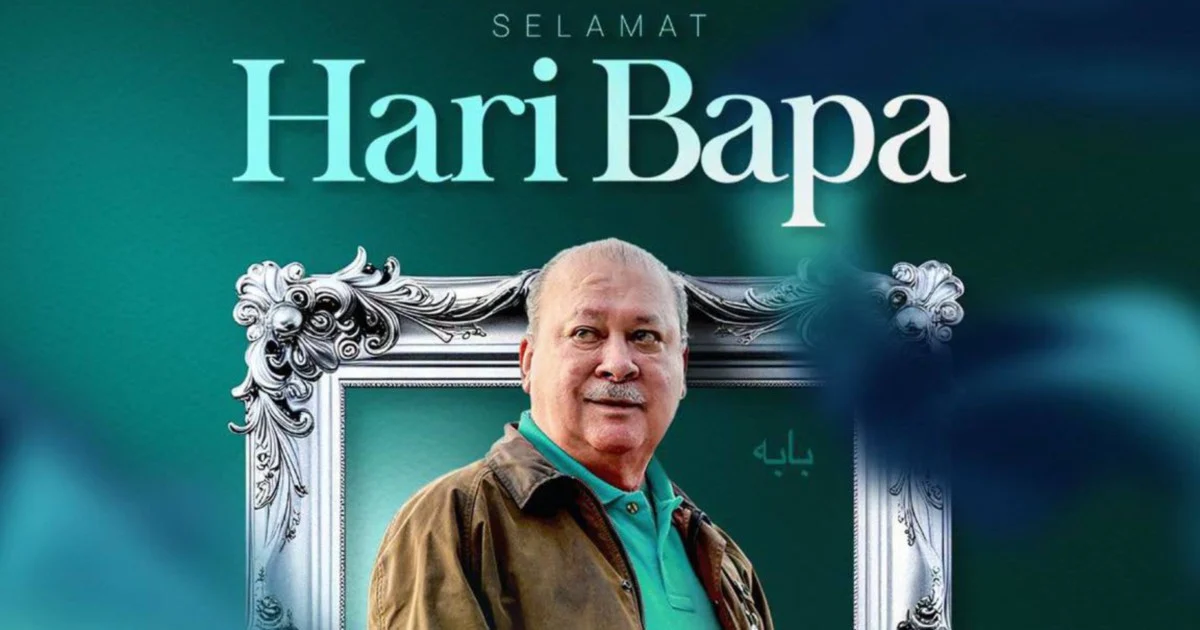
His Majesty Sultan Ibrahim, King of Malaysia, and Her Majesty Raja Zarith Sofiah, Queen of Malaysia, have conveyed their Father's Day greetings to all fathers throughout the country, recognising the pivotal role paternal figures play in Malaysian society.
The royal message represents a significant acknowledgment of fatherhood as a cornerstone institution within Malaysian families and communities. By extending these seasonal greetings, the monarchy reinforces the cultural and social importance attributed to fathers in their various capacities—whether as providers, mentors, emotional anchors, or guides in their children's development. This royal gesture carries particular resonance in a multicultural nation where different ethnic and religious communities celebrate parenthood through distinct traditions and customs.
In Malaysia's diverse social fabric, the recognition of Father's Day itself reflects the adoption of international observances alongside indigenous customs. The celebration has gained prominence across the country in recent decades, transcending its Western origins to become a broadly embraced occasion for families to appreciate and celebrate paternal relationships. The royal couple's engagement with this observance signals the monarchy's connection to contemporary Malaysian society and its willingness to endorse values aligned with family unity and appreciation.
The timing of such greetings frequently falls during the month of June in several countries, though observance dates vary globally. In Malaysia, public acknowledgment of Father's Day has expanded beyond formal celebrations to encompass media coverage, commercial recognition, and community activities that collectively reinforce messages about paternal importance. The royal message functions as a national statement, elevating the occasion from personal family matters to matters of national interest and reflection.
Within the broader context of Malaysian governance, royal messages addressing family matters serve multiple purposes. They provide moral leadership, establish national priorities, and express the monarchy's investment in social cohesion. By highlighting fathers specifically, the royal couple directs public attention toward gender roles, family structures, and the expectations society places on male guardians. This dimension proves especially relevant in discussions about evolving definitions of fatherhood and masculinity in contemporary Malaysia.
The monarchy's position in Malaysian constitutional arrangements gives such messages particular authority. As constitutional heads of state, the King and Queen function as moral custodians of national values. Their communications on domestic and social matters carry implicit endorsements that shape public discourse. When the royal couple extends greetings tied to family relationships, they effectively legitimise the importance of these relationships within the national framework and encourage broader societal engagement with themes they emphasise.
In the Malaysian context, where Islam predominates and Islamic values inform much of the governance framework and social norms, the emphasis on paternal roles intersects with religious teachings about family responsibility. Islamic tradition assigns fathers specific duties toward their families, including spiritual guidance, material provision, and moral education. The royal couple's Father's Day message thus resonates across religious communities while also acknowledging Malaysia's secular national identity and multicultural character.
The practice of royal institutions extending greetings on various occasions has become standard in constitutional monarchies worldwide. In Malaysia, such messages serve as regular touchstones for national identity and shared values. They punctuate the calendar with reminders of what the state considers important—in this case, the role of fathers and fatherhood in maintaining family stability and societal progress. This pattern of regular, seasonal royal acknowledgments helps crystallise cultural moments and collective experiences.
For many Malaysian fathers, receiving acknowledgment from the nation's highest office carries emotional and symbolic significance. It validates their contributions during a designated period of celebration and reinforces social narratives about the importance of paternal engagement. Media amplification of such royal messages extends their reach far beyond immediate royal circles, ensuring that the sentiment permeates public consciousness through newspapers, broadcasting outlets, and digital platforms.
The Father's Day greeting also arrives within a broader global context of discussions about changing paternal roles and modern fatherhood. Contemporary Malaysia, like many developing nations, is experiencing shifts in how fathers engage with their families—from traditional single-earner models to more varied arrangements reflecting economic changes, educational opportunities, and evolving gender dynamics. The royal message, while traditional in its affirmation of paternal importance, implicitly acknowledges and validates diverse manifestations of fatherhood in contemporary Malaysian society.
Looking forward, such royal communications contribute to the monarchy's sustained relevance in Malaysian public life. By engaging with occasions that matter to ordinary citizens—family celebrations, personal relationships, domestic achievements—the King and Queen maintain institutional connection to the experiences of Malaysian people across different demographics and circumstances. This approach to monarchy emphasises the institution's role not merely as ceremonial or constitutional, but as a voice capable of speaking to shared human experiences and values.