%22%2F%3E%3C%2Fpattern%3E%3C%2Fdefs%3E%3Crect%20width%3D%22100%25%22%20height%3D%22100%25%22%20fill%3D%22url(%23ph2rh91g)%22%2F%3E%3Crect%20width%3D%22100%25%22%20height%3D%22100%25%22%20fill%3D%22url(%23ph2rh91p)%22%2F%3E%3Ctext%20x%3D%2250%25%22%20y%3D%2250%25%22%20text-anchor%3D%22middle%22%20dominant-baseline%3D%22central%22%20fill%3D%22rgba(255%2C255%2C255%2C0.95)%22%20font-family%3D%22Georgia%2C%20'Times%20New%20Roman'%2C%20serif%22%20font-weight%3D%22700%22%20font-size%3D%22226%22%20letter-spacing%3D%22-0.02em%22%3EHamzah%3C%2Ftext%3E%3C%2Fsvg%3E)
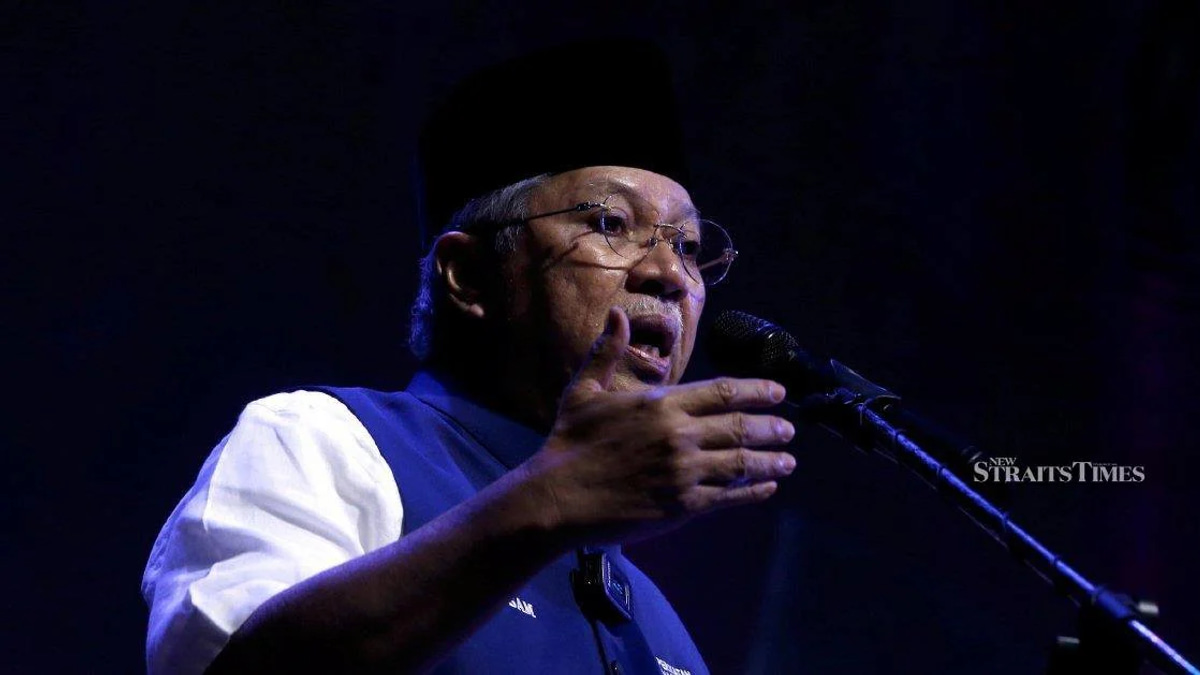
Hamzah Zainudin, the former deputy president of Parti Pribumi Bersatu Malaysia and current MP for Larut, attended a gathering of opposition lawmakers organised by Parti Islam Se-Malaysia in Kuala Lumpur on June 18. The forum, which brought together members of parliament from various opposition parties, reflects the ongoing engagement between different political factions outside the current government coalition.
The participation of Zainudin marks a notable instance of cross-factional movement within Malaysia's opposition bloc. His involvement signals the continued fluidity within the political landscape, particularly among personalities who have transitioned between different political organisations. As a former senior figure within Bersatu—the party that served as a cornerstone of the Pakatan Harapan coalition—his attendance at a PAS-led event underscores the shifting alliances that have characterised Malaysian politics since the coalition's dissolution.
PAS, the Islamic party that has strengthened its parliamentary representation in recent electoral cycles, has emerged as a key player in organising engagement forums with opposition lawmakers. Such gatherings serve multiple purposes within the political ecosystem: they facilitate dialogue across party lines, provide platforms for discussing parliamentary strategy, and allow opposition figures to maintain visibility and build relationships. The hosting of this particular meeting by PAS suggests the party's role as a convener of opposition interest, positioning itself as central to any future opposition cohesion.
Zainudin's political journey has been marked by significant shifts. His transition from a foundational position within Bersatu to independent status reflects broader patterns within Malaysia's political structure, where personalities and ideas frequently migrate across party boundaries. The Larut MP has carved out a distinct political identity since departing Bersatu, establishing himself as a voice for alternative governance approaches. His engagement with opposition forums demonstrates his continued relevance within parliamentary circles despite operating outside formal party structures.
The composition of lawmakers attending such PAS-hosted meetings carries significance for understanding the current opposition's potential cohesion and strategic direction. Opposition MPs face persistent questions about unity and common purpose, particularly in a parliament where the government holds substantial majorities. Platforms that bring these lawmakers together, even informally, may be interpreted as efforts to strengthen informal networks and explore areas of shared concern or policy interest.
From a regional perspective, Malaysia's opposition dynamics remain noteworthy as the nation navigates questions about institutional balance and the strength of democratic checks. Regular engagement between opposition parliamentarians, facilitated through venues like PAS-organised forums, reflects the health of parliamentary traditions and opposition capacity to function as an institutional counterweight. These gatherings, though sometimes underreported in mainstream analysis, contribute to the broader architecture of accountability and legislative discourse.
The timing and location of such meetings often carries strategic implications. A Kuala Lumpur venue provides accessibility for MPs from across the peninsula, while the formal organisation by PAS lends institutional weight to the gathering. The selection of PAS as the organising party also reflects that party's standing within opposition circles and its willingness to serve as a unifying platform despite ideological differences that may exist between various opposition factions.
For Malaysian observers tracking political trajectories, Zainudin's continued participation in opposition forums presents questions about potential future alignments. Whether such engagement presages stronger formal collaboration or remains within the realm of informal networking remains to be seen. His presence, however, demonstrates that personalities with substantial parliamentary experience and public profiles maintain active roles in opposition deliberations, even when not formally affiliated with any single party.
The broader landscape of opposition activity in Malaysia includes numerous such meetings and forums occurring across different venues and organisers. PAS, as an established parliamentary party with substantial representation, possesses both the infrastructure and political capital to host such gatherings. These occasions allow opposition MPs to discuss legislative priorities, coordinate parliamentary tactics, and maintain the relationships necessary for any future electoral alliances or policy coordination.
As Malaysia approaches future electoral cycles, the patterns of opposition engagement established through forums such as this one may carry weight in determining how fragmented opposition forces might reconfigure. The attendance of significant figures like Hamzah Zainudin suggests that even those operating outside formal party structures remain invested in opposition discourse and coalition-building efforts. Such participation signals that Malaysia's opposition ecosystem remains fluid and capable of drawing in personalities from across the political spectrum.