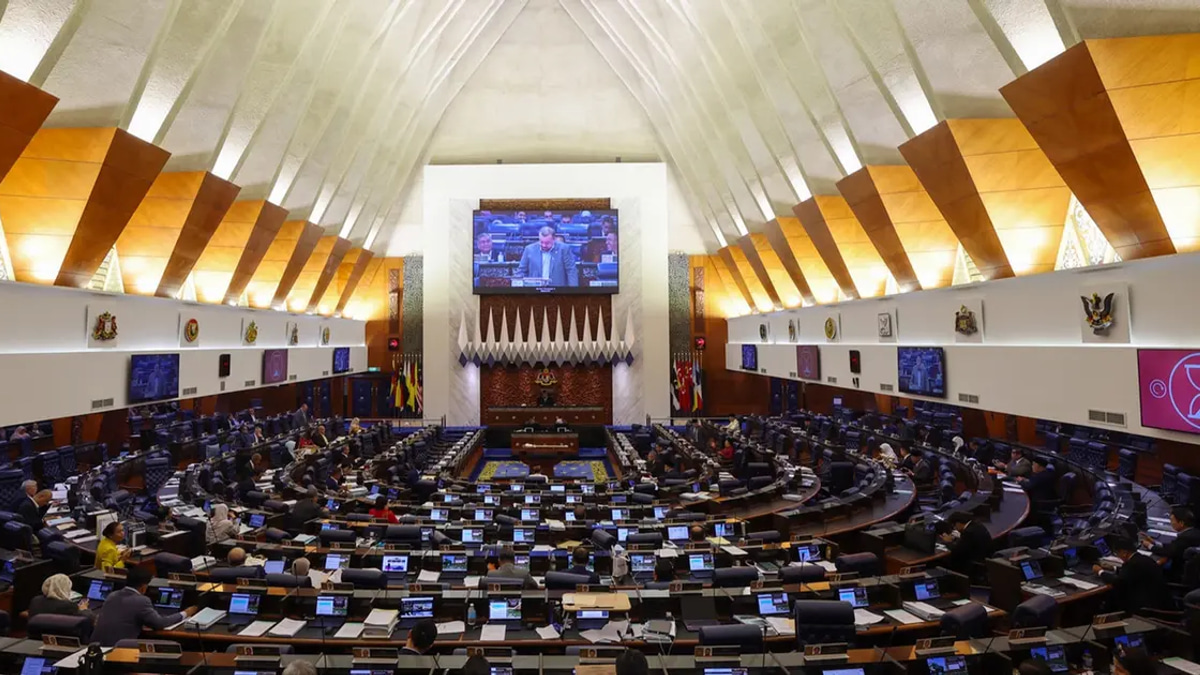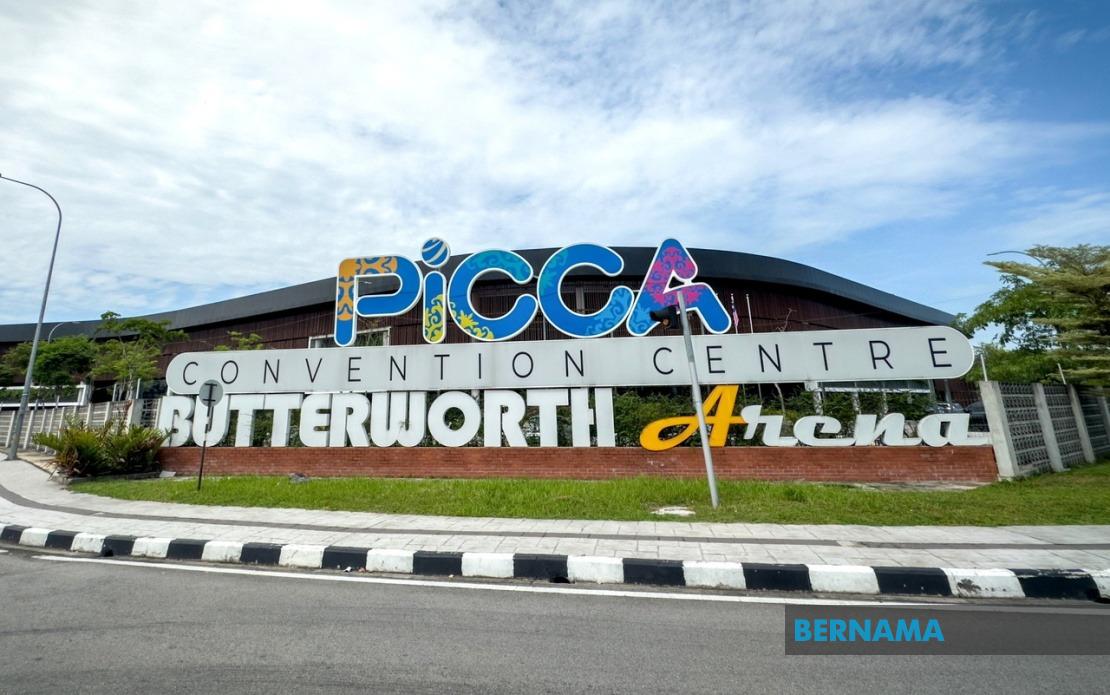
The sixth edition of Malaysia's National Journalists' Day, known as HAWANA 2026, reached its crescendo today in Butterworth with a grand ceremony at the PICCA@Arena Convention Centre, drawing together approximately 1,000 media professionals from Malaysia and abroad. The occasion marked the culmination of months of celebrations dedicated to recognising the essential role journalists and news organisations play in maintaining public trust and building the nation. The convergence of local and international media practitioners underscored the increasingly interconnected nature of journalism across the Asia-Pacific region and the shared commitment to professional standards.
Prime Minister Datuk Seri Anwar Ibrahim officiated the event at 3 pm, lending significant political weight to the proceedings and emphasising the government's commitment to supporting the media industry. The sixth edition operated under the thematic banner 'Media Integrity Strengthens Credibility', a concept that resonates deeply within Malaysia's evolving media landscape where questions of trust and accuracy have become increasingly central to public discourse. By anchoring the celebration around integrity, the organisers sought to reinforce the foundational principle that underpins responsible journalism and distinguishes legitimate news reporting from the proliferating realm of misinformation and disinformation that threatens social cohesion across the region.
The gathering brought together a constellation of senior government officials and media leaders, including Penang Chief Minister Chow Kon Yeow, Communications Minister Datuk Fahmi Fadzil, and senior representatives from the Malaysian National News Agency Bernama. This high-level attendance demonstrated the institutional importance accorded to the media profession in Malaysia's governance framework. The inclusion of Communications Ministry secretary-general Datuk Abdul Halim Hamzah and Bernama's leadership—Chairman Datuk Seri Wong Chun Wai and Chief Executive Officer Datin Paduka Nur-ul Afida Kamaludin—reflected the government's recognition that news agencies and communications infrastructure constitute vital pillars of the state apparatus.
International participation elevated the event's stature beyond domestic celebration, bringing delegations from Indonesia's Antara News Agency, Vietnam News Agency, Xinhua News Agency, the Indonesian Journalists Association, and the Malaysia-Indonesia Journalists Friendship Association. This cross-border representation highlighted the shared professional challenges facing journalists across Southeast Asia, from navigating digital transformation to maintaining credibility amid rapid information flows. The engagement with Chinese and Vietnamese news organisations particularly demonstrated Malaysia's positioning within broader regional and international journalism networks, even as the nation navigates complex geopolitical considerations in its media relationships.
The centrepiece of the ceremony involved Prime Minister Anwar presenting the prestigious HAWANA Award and Special HAWANA Award to individuals whose contributions have fundamentally shaped journalism practice and influenced public understanding. Recognition of this calibre carries weight beyond ceremonial appreciation, effectively establishing benchmarks for professional excellence within the industry. The Prime Minister also presided over presentations of Tabung Kasih@HAWANA contributions, directing support toward media veterans facing financial hardship—a mechanism that acknowledges journalism's human dimension and the profession's obligation to care for practitioners whose careers may have stretched across decades of reporting.
Beyond the formal proceedings, the accompanying RIUH Pi HAWANA Carnival transformed the PICCA Convention Centre parking area into a vibrant three-day celebration of Malaysian creative culture. The carnival's entertainment programme featured performances by established local musicians including Exists, Bunkface, Masdo, Sakura Band, Budak Nakal Hujung Simpang, and Chelsea Ng, reflecting the intersection of media, entertainment, and popular culture in contemporary Malaysia. By programming live performances alongside journalism recognition, organisers created an accessible entry point for the general public to engage with the media profession, potentially fostering greater appreciation for journalism's role in society.
The commercial dimension of the carnival—encompassing more than 24 local creative product brands and 20 food and beverage vendors—wove together the creative economy with journalistic celebration. This integration served multiple functions: generating economic activity for small enterprises, creating employment opportunities, and building community engagement with the media sector. The interactive workshops offered throughout the three days provided opportunities for public participation and education, democratising access to knowledge about journalism practices and media literacy.
HAWANA 2026's extended programming throughout the year demonstrated a strategic approach to institutional celebration. Earlier iterations of the commemoration included the Media Forum on May 7, which provided platforms for substantive discussion of industry challenges and directions; the Strategic Partners Engagement Event on June 4, which cultivated relationships between Bernama and allied media and communications organisations; and the Fun Walk on June 14, which mobilised the broader community around shared professional identity. This multi-layered approach transformed what might have been a single ceremonial event into an extended campaign for media institution-building and public engagement.
The annual HAWANA observance commemorates the May 29, 1939 publication of Utusan Melayu, Malaysia's pioneering Malay-language newspaper, establishing a direct genealogy connecting contemporary journalism to the anti-colonial print media that facilitated nationalist consciousness. By anchoring the celebration to this historical moment, Malaysia's media establishment positions journalism within a narrative of nation-building and democratic participation stretching back more than eight decades. The choice to commemorate this founding moment—rather than, for instance, independence or other nationalist landmarks—emphasises the role journalism played in creating the intellectual and political conditions for Malaysia's eventual emergence as a nation-state.
The Ministry of Communications' stewardship of HAWANA, implemented through Bernama's operational machinery, reflects institutional structures that connect state communications policy directly to news production. This arrangement positions the national news agency as custodian not merely of news distribution but of professional standards and institutional memory within Malaysian journalism. Bernama's dual role—simultaneously operating as a government communications instrument and as an industry leader setting professional benchmarks—encapsulates the sometimes-contested relationship between state media institutions and broader notions of press independence that characterise Southeast Asian media landscapes.
For Malaysian practitioners and international observers, HAWANA 2026's emphasis on integrity and credibility arrives at a moment when journalism globally faces fundamental pressures from digital disruption, economic contraction, and political polarisation. The Penang gathering provided occasion to reaffirm collective commitment to verification, accuracy, and the public interest mission that theoretically animates professional journalism. Whether such institutional affirmations can effectively counter the structural forces undermining journalism's economic viability and social standing remains among the pressing questions facing the profession across Malaysia and the region.