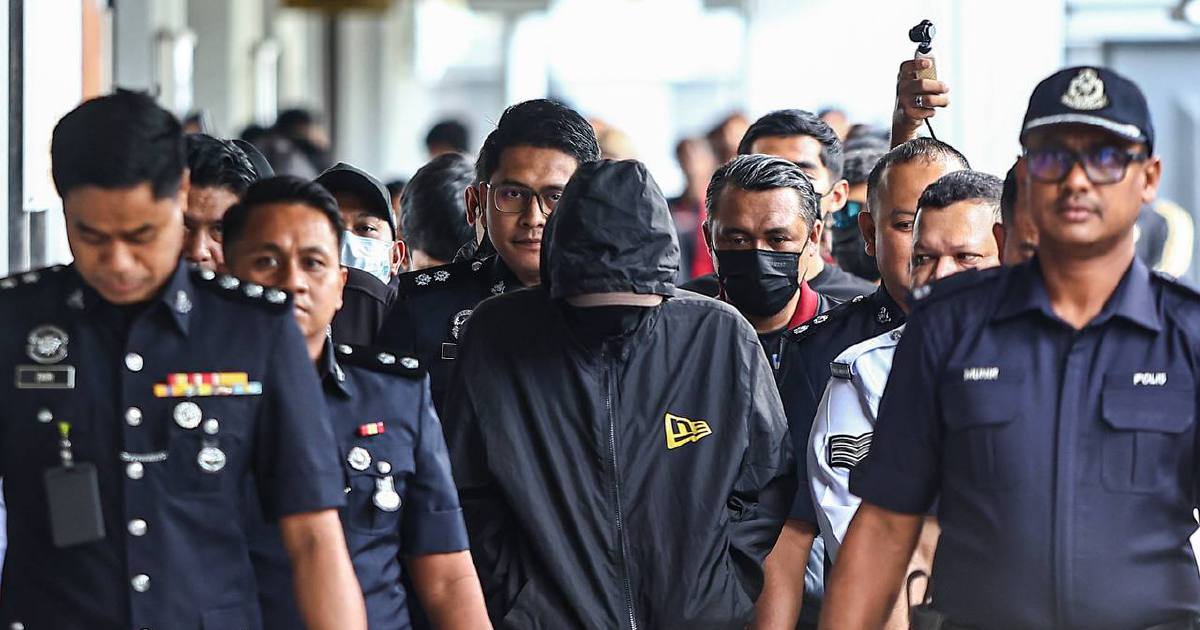
The driver of an Immigration Department heavy vehicle appeared in Kuala Lumpur magistrates' court today to contest five charges stemming from a devastating road accident that occurred at the Maju Junction intersection. The incident, which took place on Wednesday, resulted in the deaths of three members of a single family and has sparked fresh concerns about road safety involving government vehicles on the capital's busy thoroughfares.
The motorist pleaded not guilty to the charges in the proceeding, signalling his intention to mount a full defence against allegations that his driving precipitated the fatal collision. Among the charges are three separate counts of causing death by reckless or dangerous driving, the most serious allegations that carry substantial penalties under Malaysian traffic law. These charges underscore the gravity with which the authorities are treating the circumstances of the crash.
Accidents involving government vehicles, particularly heavy goods vehicles operated by public sector departments, have periodically generated public debate about driver training standards and maintenance protocols. The Immigration Department's fleet includes numerous lorries used for operational purposes across the country, and incidents involving such vehicles tend to draw heightened scrutiny from both the public and media. This case adds to a growing catalogue of serious road incidents in urban centres where government transport has been implicated.
Maju Junction, situated in the heart of Kuala Lumpur's bustling commercial and residential zone, experiences substantial vehicular traffic throughout the day. The intersection's geometry and traffic flow patterns present inherent risks that demand heightened driver awareness, particularly for operators of large vehicles with extended braking distances and reduced manoeuvrability compared to standard cars. The fact that the fatal collision occurred at this well-travelled location raises questions about visibility, traffic management, and whether contributing factors might have been addressed through engineering or regulatory measures.
The loss of three family members in a single incident represents a profound tragedy for those bereaved and has resonated with road safety advocates across Malaysia. Such concentrated losses—where multiple generations or closely related individuals perish simultaneously—carry particular emotional and social weight. Families relying on a single vehicle for transportation remain vulnerable to catastrophic outcomes when accidents occur, and this incident exemplifies the devastating consequences that result when a large vehicle collides with passenger cars in urban environments.
Government vehicle operations in Malaysia fall under specific regulatory frameworks distinct from private commercial transport. Drivers of official government vehicles must meet particular licensing and training requirements, and their conduct reflects directly on the responsible ministry or department. The Immigration Department will likely face institutional scrutiny regarding whether adequate driver training, vehicle maintenance, and operational safeguards were in place before this incident. Public confidence in government vehicle operations depends partly on perceptions that such vehicles are operated with appropriate care and oversight.
The court proceedings will establish the factual circumstances surrounding the collision, including factors such as vehicle speed, roadworthiness, visibility conditions, and whether the driver's conduct fell below the standard expected of a competent and careful operator. Expert evidence regarding vehicle dynamics, impact analysis, and brake performance typically features prominently in cases where death by dangerous driving charges are contested. The defence may introduce evidence regarding mechanical defects, environmental conditions, or actions by other road users that contributed to the outcome.
Road fatalities involving multiple victims in single incidents remain among the most preventable causes of death in Malaysia, where annual traffic mortality figures consistently exceed comparable regional economies. Vehicles operated by government departments have statutory obligations to maintain higher safety standards, and breaches carry implications beyond individual criminal liability. Such incidents frequently prompt reviews of fleet maintenance schedules, driver rest period policies, and the adequacy of insurance arrangements protecting members of the public.
The case will be monitored closely by road safety groups and civil society organisations advocating for stronger enforcement of traffic laws and improved vehicle safety standards. The outcome may influence policy discussions within the Immigration Department and broader government regarding best practices for heavy vehicle operations. Public interest in court proceedings involving fatal road collisions typically extends beyond immediate legal consequences, with families and safety advocates viewing such trials as opportunities to ensure accountability and drive systemic improvements.
Meanwhile, the family affected by this tragedy faces not only bereavement but potential issues regarding compensation, insurance claims, and the emotional aftermath of losing multiple relatives in circumstances widely perceived as avoidable. Malaysian law provides remedies through both criminal proceedings and civil liability, though these rarely serve to restore what has been lost. The magistrates' court will ultimately determine whether the charges are proven beyond reasonable doubt, and sentencing—should conviction occur—will reflect the court's assessment of the driver's culpability and the gravity of the outcome.

