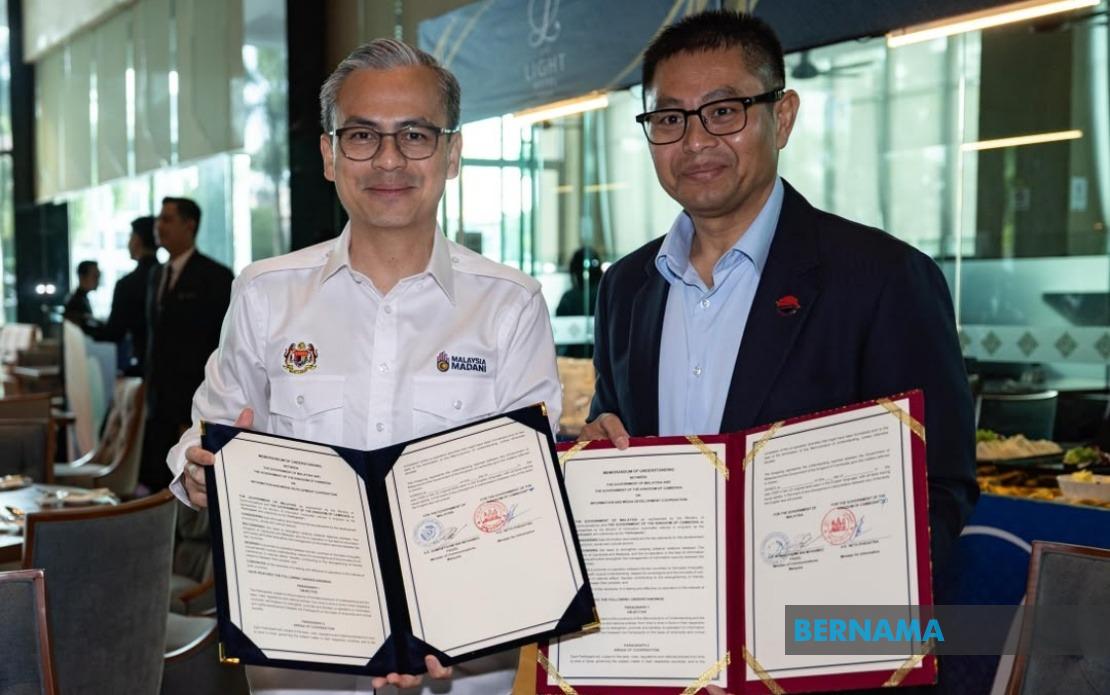
Malaysia and Cambodia have taken a significant step in strengthening their bilateral relationship by formalising cooperation in the media and communications sector. The Communications Minister Datuk Fahmi Fadzil and Cambodia's Information Ministry Under Secretary of State Prak Thaveak Amida signed a memorandum of understanding on information and media development at the Light Hotel in Butterworth on June 20, with Amida representing Information Minister Neth Pheaktra. The agreement represents a carefully structured framework designed to address contemporary challenges in media operations while fostering mutual growth across Southeast Asia's increasingly interconnected news ecosystem.
The MoU encompasses a broad range of collaborative areas that reflect the evolving nature of modern media operations in the region. The partnership explicitly covers news and information exchange mechanisms, which are critical in an era where misinformation spreads rapidly across borders. Additionally, both nations have committed to closer cooperation in radio and television broadcasting standards, printing and publishing practices, and the development of human capital within their respective media sectors. These foundational elements acknowledge that robust media institutions depend on professionally trained personnel and consistent operational standards.
One particularly noteworthy dimension of the agreement addresses media cybersecurity, an area of growing importance as newsrooms and broadcasting facilities increasingly rely on digital infrastructure. By establishing joint protocols and sharing expertise in this field, Malaysia and Cambodia position themselves ahead of other regional pairs in protecting sensitive journalistic operations and citizen data from cyber threats. This collaborative approach to cybersecurity reflects recognition that digital vulnerabilities do not respect national boundaries and that shared defences benefit both parties.
The agreement also emphasises cooperation in film and documentary production, recognising that visual storytelling serves as a powerful medium for cultural exchange and narrative building. Through joint productions and knowledge-sharing in this arena, both nations can develop content that resonates with regional audiences while maintaining editorial integrity. This dimension of the MoU extends beyond traditional news gathering into the creative industries, where Malaysia and Cambodia can leverage their respective strengths and artistic traditions.
Information policy and regulatory practices form another cornerstone of the partnership. As digital platforms reshape how news is consumed and distributed, harmonising regulatory approaches becomes increasingly valuable. This aspect of cooperation allows Malaysia and Cambodia to learn from each other's experiences in managing media landscapes, addressing challenges such as platform accountability, press freedom protections, and audience trust in institutional news sources. Such exchanges of regulatory expertise can inform more effective policy-making in both nations.
The MoU reflects both countries' determination to capitalise on opportunities presented by rapid digitalisation and expanded connectivity across Southeast Asia. Rather than viewing these technological shifts as challenges to be managed defensively, the agreement positions Malaysia and Cambodia as proactive partners seeking to harness digital tools for strengthening journalistic capacity and expanding media reach. This forward-looking stance suggests recognition that media institutions must evolve continuously to remain relevant and credible.
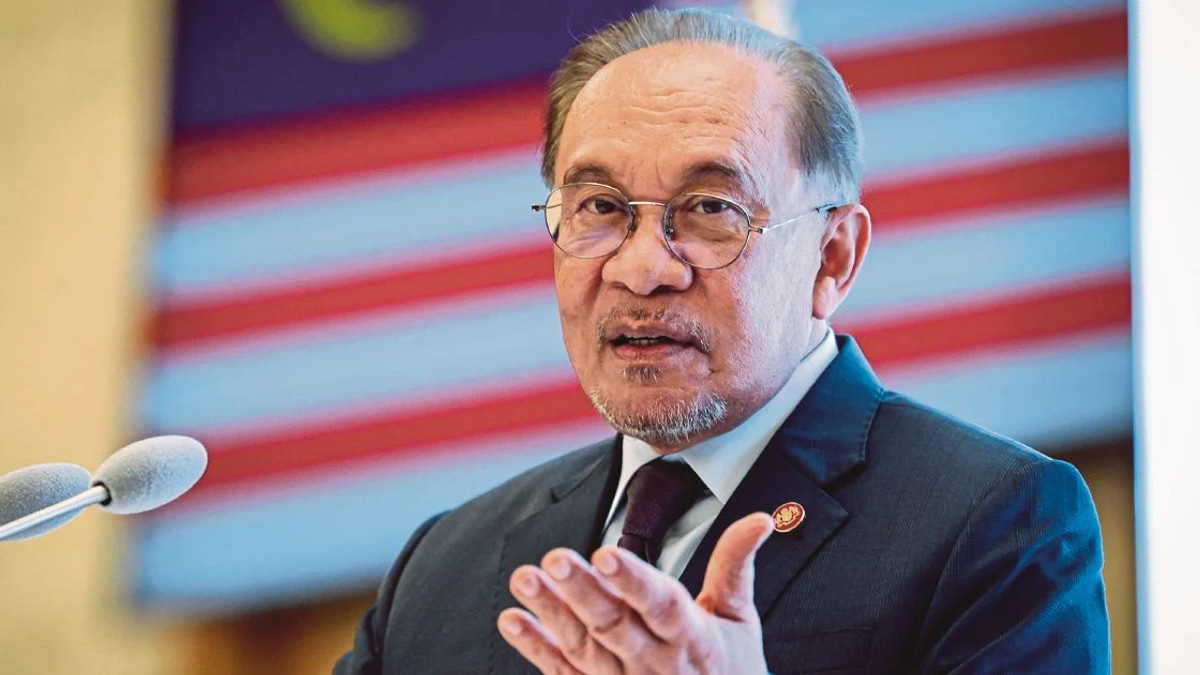
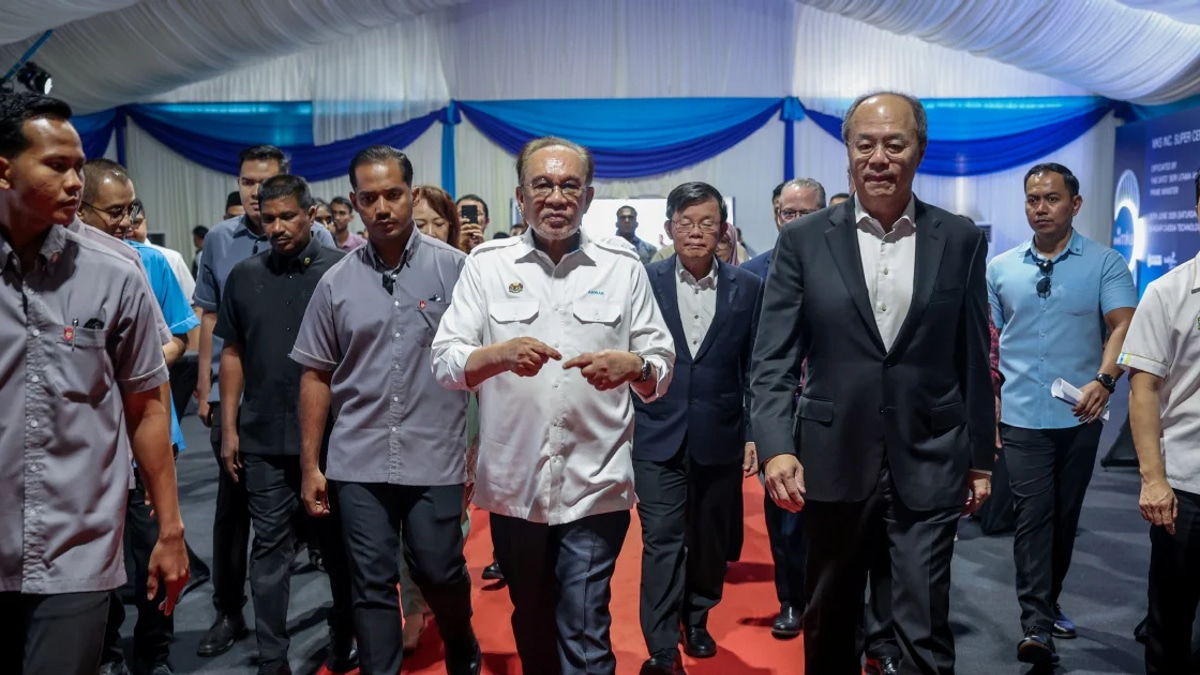
For Malaysia specifically, this partnership reinforces its positioning as a regional leader in media development and governance. The country's emphasis on media integrity, as evidenced by the concurrent National Journalists' Day (HAWANA) 2026 conference, aligns with this agreement's objectives. Prime Minister Datuk Seri Anwar Ibrahim's expected participation in the HAWANA 2026 grand finale underscores the government's commitment to elevating journalistic standards and professional development. The timing of the MoU signing alongside this major media industry gathering amplifies its significance and demonstrates intentional coordination between diplomatic and domestic media priorities.
Cambodia's participation in this framework, represented at the ministerial level through Prak Thaveak Amida, signals that both nations view this cooperation as substantive rather than ceremonial. The presence of senior government officials, Bernama leadership including Chairman Datuk Seri Wong Chun Wai and Chief Executive Officer Datin Paduka Nur-ul Afida Kamaludin, and Penang Chief Minister Chow Kon Yeow at related events demonstrates the institutional weight behind this initiative. Such high-level engagement suggests that implementation mechanisms will receive adequate resources and political support.
The implications for the broader Southeast Asian media landscape are noteworthy. As individual ASEAN member states strengthen bilateral media cooperation frameworks, the region develops a more interconnected ecosystem for information exchange and professional standards development. Malaysia and Cambodia's partnership could serve as a model for other country pairs seeking to formalise media sector cooperation in ways that address both traditional and digital-age challenges.
The knowledge exchange component of the agreement promises significant practical benefits. Malaysian media professionals bring experience managing a complex, multilingual news environment with significant digital adoption rates, while Cambodian counterparts offer insights into developing media sectors and audiences navigating rapid technological change. This bidirectional flow of expertise can enrich professional practices on both sides and contribute to more resilient media institutions across the region.
Perhaps most importantly, the MoU's emphasis on sustaining growth and transformation in media sectors acknowledges that these industries face ongoing pressure from technological disruption, audience fragmentation, and economic challenges. By establishing formal cooperation mechanisms, Malaysia and Cambodia create space for collaborative problem-solving rather than isolated institutional responses. This approach recognises that many contemporary media challenges transcend national borders and benefit from cross-border solutions.
The agreement's focus on promoting greater knowledge exchange and best practices reflects a maturing understanding of media development in Southeast Asia. Rather than viewing each nation's media landscape as entirely unique and insular, the MoU posits that comparative study and strategic borrowing of successful approaches can strengthen both systems. This pragmatic orientation toward shared learning positions both countries to navigate an increasingly complex global media environment with greater confidence and capability.