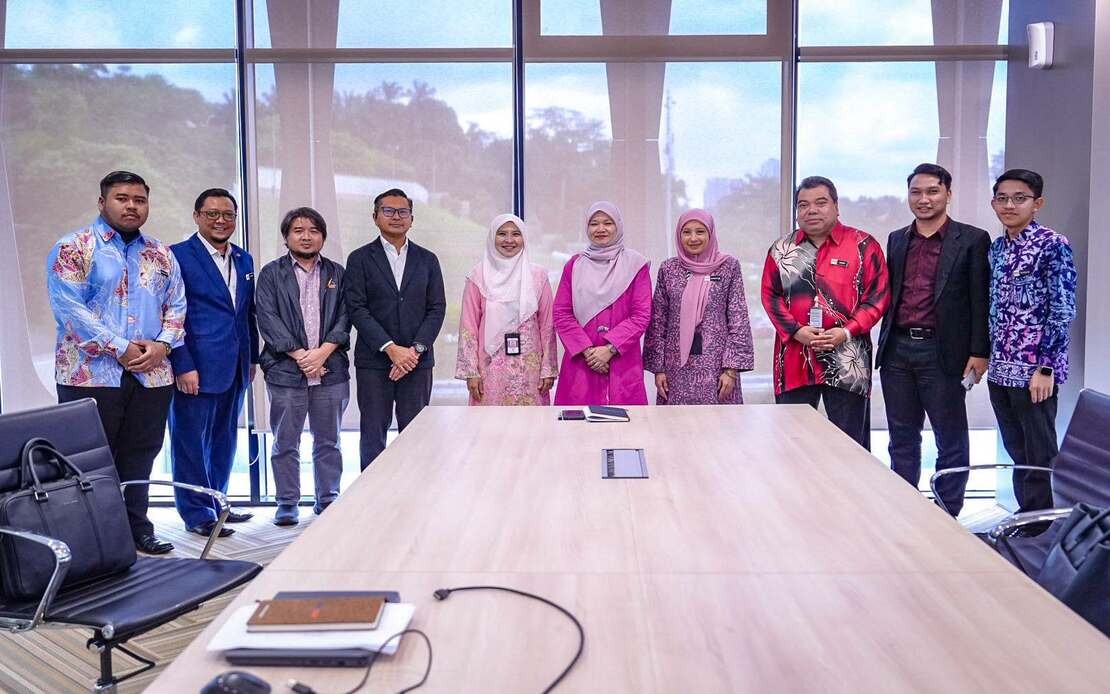
Malaysia's Education Ministry has committed to launching a comprehensive advocacy campaign across the education sector to promote awareness of three critical pieces of child protection legislation. Education Minister Fadhlina Sidek announced the initiative following discussions with the Human Rights Commission of Malaysia (SUHAKAM), signalling a coordinated approach to safeguarding children within the school system.
The advocacy programme will focus on three laws that form the backbone of Malaysia's child protection framework. These include the Child Act 2001, which establishes the legal foundation for children's rights and welfare; the Anti-Bullying Act 2026, representing recent legislative efforts to combat peer harassment; and the Sexual Offences Against Children Act 2017, which addresses the serious threat of sexual exploitation. Together, these statutes provide a comprehensive legal landscape intended to protect young Malaysians from various forms of harm and abuse.
The announcement emerged from a formal meeting between ministerial officials and a SUHAKAM delegation headed by Children's Commissioner Dr Farah Nini Dusuki and Dr Mohd Al Adib Samuri. This collaborative engagement reflects growing recognition that awareness of existing legal protections remains insufficient among educators, students, and families. The initiative suggests that while legislative frameworks exist, their implementation and public understanding require substantial strengthening across institutions.
Bullying and sexual harassment emerged as priority concerns during discussions, with both organisations identifying these as persistent challenges within Malaysian educational institutions. The focus on these specific issues demonstrates an understanding that traditional approaches have proven inadequate, and a multi-stakeholder effort involving both government ministries and independent human rights bodies is necessary to create meaningful change. Such collaboration positions SUHAKAM's expertise in human rights advocacy alongside the Education Ministry's direct access to schools and students.
Fadhlina emphasised that the partnership between the two institutions must extend beyond initial announcements to build sustained awareness at all administrative and educational levels. Her statement reflects the complexity of implementing child protection policies nationwide, requiring engagement not only with administrators and teachers but also with students themselves and broader school communities. The minister's commitment to ensuring a safe learning environment suggests recognition that current conditions in some institutions may fall short of acceptable standards.
The advocacy framework will necessarily address gaps in knowledge among educators, many of whom may lack training in recognising and reporting suspected abuse or handling bullying incidents within legal parameters. Teachers and school administrators require clear guidance on their obligations under these laws, the procedures for reporting violations, and the resources available to support affected children. Similarly, students need age-appropriate education about their own rights and the protections available to them under Malaysian law.
For Malaysian parents and families, such initiatives carry significant implications. Greater awareness of these protective laws creates pathways for families to seek justice and support when children experience abuse or harassment. However, the campaign's success will ultimately depend on execution—whether information reaches communities, whether school staff receive practical training, and whether reporting mechanisms are genuinely accessible and responsive to complaints from vulnerable children.
The timing of this initiative, coming amid ongoing discussions about school safety in Southeast Asia, positions Malaysia within a broader regional conversation about child welfare. Other countries in the region have implemented similar campaigns with varying degrees of success, suggesting that Malaysian policymakers are learning from comparable experiences. The collaboration between government and independent human rights bodies mirrors international best practices, though implementation challenges often exceed original ambitions.
The Anti-Bullying Act 2026 represents particularly significant legislation given documented increases in peer violence and cyberbullying among Malaysian youth. This recent law provides specific legal remedies previously unavailable, but awareness remains low among potential users. An effective advocacy programme must explain not only what constitutes bullying under the law but also how affected students and families can activate legal protections without fear of retaliation or administrative burden.
Sexual offences against children continue to concern policymakers and child welfare advocates across Malaysia. The 2017 legislation criminalises various forms of exploitation, yet cases often go unreported due to shame, fear, or lack of awareness about legal processes. Educational campaigns addressing this legislation must balance frankness about threats to child safety with age-appropriate communication that does not traumatise younger students or create panic among parents.
The child protection framework only functions effectively when stakeholders understand their rights and responsibilities. Teachers need to recognise warning signs and know reporting procedures. Students require knowledge about inappropriate behaviour and how to seek help. Parents must understand legal remedies and support services. This advocacy rollout represents an attempt to bridge these knowledge gaps systematically across the education sector.
Successful implementation will require resource allocation for training, development of accessible educational materials, establishment of clear reporting mechanisms, and ongoing monitoring to assess programme effectiveness. The partnership between the Education Ministry and SUHAKAM should also involve coordinating with other agencies responsible for child protection, including the police and social welfare authorities, to ensure comprehensive support for affected children.

