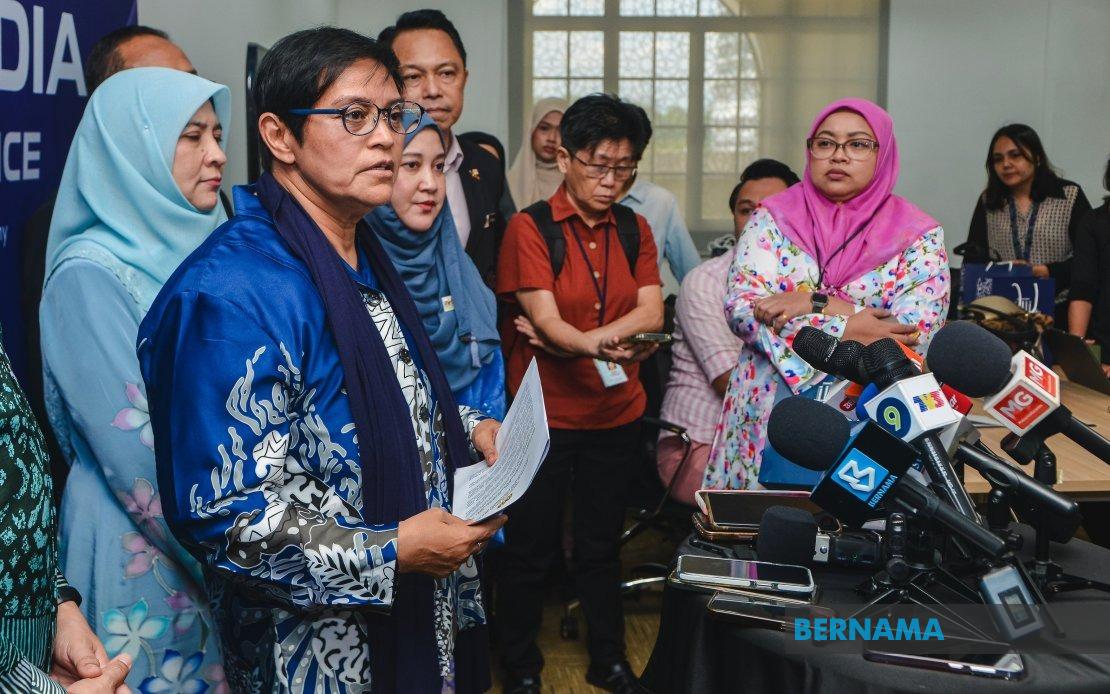
Malaysia is taking an unprecedented legal approach to combating bullying by making parents jointly liable for misconduct committed by their children under the Anti-Bullying Act 2026. The legislation, officially launched in Kuala Lumpur on June 16, represents a fundamental shift in how accountability for bullying is distributed within families, extending consequences beyond the young perpetrator to include parental responsibility for penalties and fines.
Minister in the Prime Minister's Department (Law and Institutional Reform) Datuk Seri Azalina Othman Said explained that this shared family responsibility model departs significantly from conventional criminal law frameworks, which typically impose liability solely on the individual offender. The new Act recognises that bullying often reflects broader family dynamics and parental oversight, making it reasonable to extend legal consequences to parents or guardians. This approach acknowledges that holding parents accountable for their children's behaviour may incentivise greater vigilance and intervention at home, potentially preventing bullying before it escalates.
Under the legislation, family members may be bound to comply with various orders and obligations stemming from bullying cases, with particular emphasis on financial accountability. Fines and related penalties imposed by the tribunal will apply jointly to the family, meaning parents could face direct financial consequences for their children's bullying conduct. This provision aims to create a deterrent effect not only for young perpetrators but also for parents who might otherwise overlook warning signs or failing to address behavioural issues at an early stage.
The government's motivation for introducing such stringent measures stems from escalating bullying incidents across Malaysia, some resulting in tragic outcomes including loss of life. These high-profile cases have prompted policymakers to view bullying not as a minor disciplinary matter handled solely within schools, but as a serious social problem warranting formal legal intervention. By establishing joint parental liability, the Act signals that families must take collective responsibility for preventing and addressing bullying behaviour within their households.
To enforce these new provisions, authorities have established the Anti-Bullying Tribunal, a specialist adjudication body comprising 56 tribunal members selected for their legal expertise and specialisation in child-related matters. The tribunal headquarters is situated at the Asian International Arbitration Centre (AIAC) in Kuala Lumpur, but the tribunal's jurisdiction extends nationwide through a decentralised network of hearing venues. This structure ensures that bullying cases can be heard closer to where incidents occur, reducing barriers to access for victims and their families across the country.
The tribunal operates through a multi-faceted approach to venue accessibility. Six physical and virtual hearing zones have been strategically established across Malaysia by utilising existing infrastructure within the Legal Affairs Division (BHEUU), the Insolvency Department, the Legal Aid Bureau, and repurposed courtroom facilities. This network allows proceedings to occur at schools, hostel premises, dedicated tribunal spaces, and through online platforms, recognising that bullying victims may face practical obstacles in accessing formal legal channels if required to travel long distances or navigate intimidating courthouse environments.
A notable feature of the legislation is that victims are not restricted to reporting incidents through institutional management structures. Previously, students experiencing bullying in schools might have been channelled exclusively through school administrative processes. Under the Anti-Bullying Act 2026, victims possess the independent right to bring complaints directly to the tribunal regardless of where the bullying occurred, whether within or outside educational institutions. This autonomy reduces dependency on potentially compromised internal complaints mechanisms and empowers victims to seek justice directly.
To facilitate complaint submission and reduce procedural barriers, the tribunal has launched a digital portal enabling online case registration. This technology-enabled approach acknowledges that young victims may feel more comfortable submitting reports remotely rather than in-person, and that families may struggle to navigate physical filing processes. The online platform democratises access to the tribunal system, removing geographical constraints and allowing submissions at any time, which is particularly valuable for students balancing schoolwork with the emotional burden of reporting bullying incidents.
Azalina emphasised that this legislative framework aims to fundamentally shift societal perceptions regarding bullying's severity. Young people must understand that bullying is not a trivial childhood transgression but serious misconduct with legal consequences extending beyond school disciplinary action. By establishing formal tribunal proceedings and involving family-level liability, the government intends to elevate public awareness of bullying's gravity and the existence of formal legal remedies available to victims.
For Malaysian readers and the broader Southeast Asian context, this legislation represents an innovative attempt to address bullying through family-centred accountability. While critics might argue that joint parental liability raises questions about fairness and proportionality—particularly concerning parents' culpability for teenage misconduct—proponents contend the approach addresses a genuine gap in existing legal frameworks. Malaysia's approach differs notably from some Western jurisdictions that restrict parental liability to specific circumstances, instead adopting a broader model that treats bullying as a family responsibility matter.
The practical implications for Malaysian families are substantial. Parents now face potential financial and legal exposure for their children's bullying conduct, creating incentives for increased home supervision, intervention in peer relationships, and addressing behavioural warning signs. Schools and institutional administrators may experience reduced pressure to resolve bullying internally, as formal tribunal pathways offer alternative avenues for resolution.
Implementation challenges remain significant. Determining appropriate parental liability where teenagers demonstrate autonomy and independence requires careful judicial judgment. Additionally, the tribunal system's effectiveness will depend on adequate funding, timely case processing, and tribunal members' expertise in balancing child protection with proportionate parental accountability. As this legislative framework takes effect, Malaysian courts and tribunal adjudicators will develop jurisprudence clarifying how parental liability applies across varying factual circumstances and family structures.