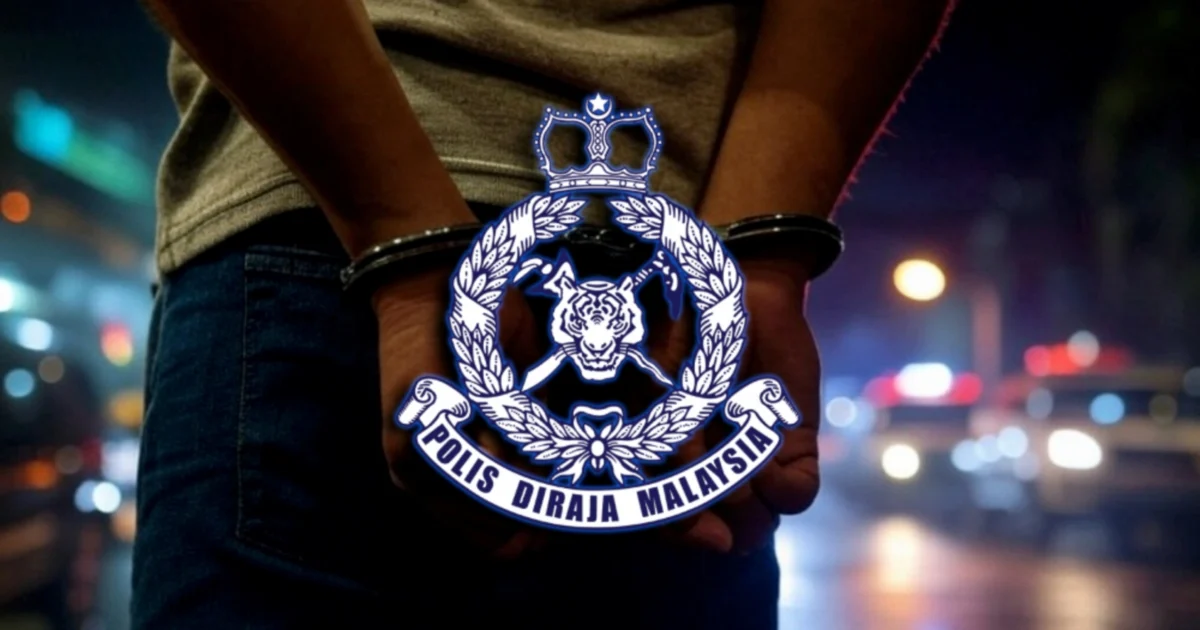
Police in Taiping have arrested a man suspected of stealing 43 metres of copper cables from Keretapi Tanah Melayu Berhad (KTMB) infrastructure. The incident took place in the early morning hours at kilometre marker 95.75 along the Padang Rengas-Kamunting railway sector, highlighting a persistent security challenge facing the national rail operator across its network.
The arrest marks another significant recovery in what has become an escalating problem for KTMB, which has reported numerous thefts of high-value materials from its rail lines in recent years. Cable theft targeting railway infrastructure has emerged as a serious concern nationwide, with criminals targeting the valuable copper and aluminium materials used in signalling, communication, and electrification systems. The theft of these essential components disrupts rail operations and creates safety hazards for both passengers and staff.
The Padang Rengas-Kamunting sector, which forms part of KTMB's crucial north-south corridor, has experienced multiple security incidents in the past. This section of track carries significant passenger and freight traffic, making the theft not merely a property crime but also a potential threat to operational continuity. The loss of 43 metres of cable represents more than just monetary damage—it can disrupt signal transmission, affect train scheduling, and compromise safety systems that depend on proper electrical connectivity.
Investigators have not yet disclosed the suspect's identity or preliminary motive, pending further enquiries. The case has been classified under the Penal Code provisions relating to theft, and additional charges may be considered depending on the investigation's findings. The value of the stolen materials has not been officially confirmed, though copper cables of this length typically command significant market prices, particularly given fluctuating global commodity values.
This development comes at a time when KTMB and law enforcement agencies across Malaysia have intensified their collaborative efforts to combat infrastructure theft. The railway operator has implemented enhanced security patrols, installed surveillance cameras at vulnerable points, and increased lighting along sections prone to criminal activity. Despite these measures, determined thieves continue to exploit gaps in security coverage, particularly during late-night and early-morning hours when monitoring capacity may be reduced.
The broader context of railway cable theft extends beyond Taiping and Perak. Similar incidents have been reported across the peninsula, affecting various sections of KTMB's extensive network. The phenomenon reflects a larger pattern wherein organised theft rings target essential infrastructure for materials that can be quickly sold to scrap dealers or recyclers. Perpetrators often operate with knowledge of KTMB's security routines and patrol schedules, suggesting involvement of individuals with inside information or systematic reconnaissance capabilities.
For Malaysian commuters and freight operators, such thefts pose genuine concerns about service reliability and safety. Disruptions caused by stolen cables can cascade through the entire rail system, affecting thousands of daily users and adding costs to businesses dependent on punctual delivery schedules. The economic impact extends to maintenance expenses, as KTMB must allocate resources to replace stolen components while addressing legitimate wear-and-tear maintenance needs with limited budgets.
The arrest in Taiping demonstrates that enforcement efforts continue, yet the persistence of cable theft suggests that preventive measures and deterrence alone may prove insufficient. Industry observers have suggested that addressing this problem comprehensively requires not only enhanced security but also improved coordination between KTMB, police authorities, and scrap metal dealers. Some states have implemented regulations requiring dealers to maintain detailed records of material sources, though effectiveness across Malaysia remains inconsistent.
As investigations proceed, the case will likely inform KTMB's ongoing security assessments for the Padang Rengas-Kamunting and adjacent sections. The national rail operator remains committed to maintaining operational standards and protecting its infrastructure against theft and vandalism. Commuters and stakeholders will be watching closely to see whether this arrest leads to dismantling larger theft networks or remains an isolated criminal incident.
The incident underscores the vulnerability of Malaysia's critical infrastructure to organised theft and the ongoing challenge faced by authorities in protecting assets essential to national transportation. With the suspect now in custody, investigators will examine whether connections exist to other cable theft cases across the peninsula, potentially revealing the scope and structure of theft operations targeting KTMB facilities.