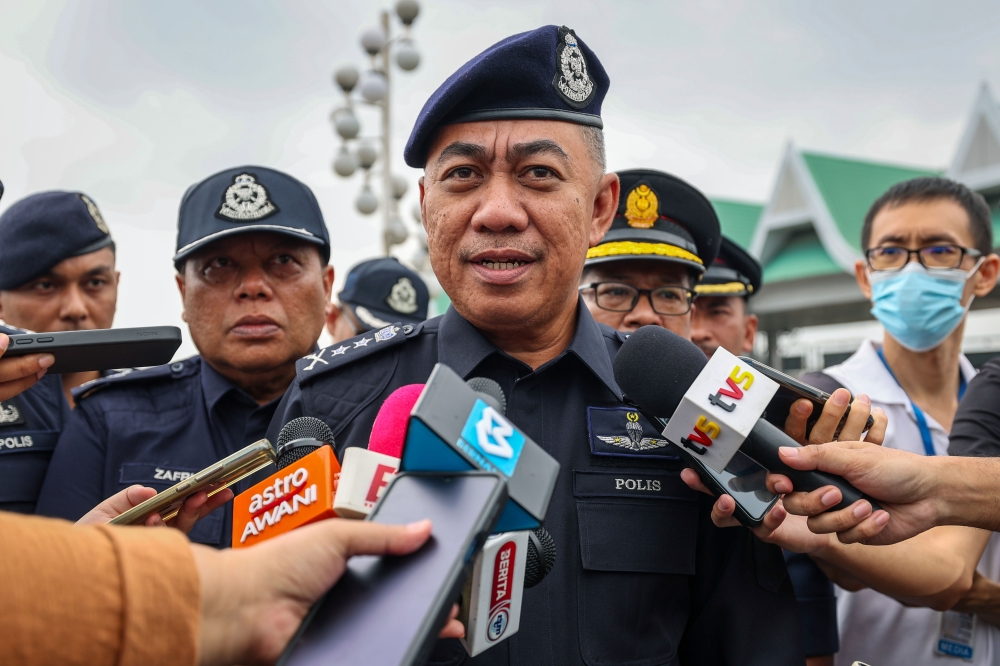
A significant crackdown on drug trafficking in Perak has resulted in the arrest of seven suspects, including a married couple, as authorities intensify their efforts against the illegal narcotics trade in the northern state. The enforcement operation, which unfolded across multiple locations, represents part of a broader regional strategy to dismantle drug distribution networks operating within Peninsular Malaysia.
The police seized 2.8 kilograms of MDMA, commonly known as ecstasy or Molly, during the raids conducted in Ipoh and surrounding areas. Based on current street pricing and chemical purity assessments, the contraband carries an estimated street value that extends into the millions of ringgit, underscoring the significant scale of the suspected operation. The quantity recovered suggests involvement in intermediate-level distribution rather than simple possession for personal use, indicating that the suspected network may have been supplying multiple downstream dealers across the region.
The inclusion of a married couple among the arrested individuals raises questions about the operational structure of the suspected trafficking ring. Authorities have not disclosed specific details regarding the respective roles of the husband and wife within the network, though such domestic partnerships have historically been exploited by criminal syndicates to evade detection and compartmentalise their operations. The targeting of family-based networks reflects an evolution in how law enforcement approaches drug investigations, recognising that traditional kinship bonds can provide both cover and logistical advantages for illicit activities.
The Perak operation demonstrates the persistent challenge that methamphetamine-class drugs continue to pose across Malaysia and the broader Southeast Asian region. MDMA remains one of the most frequently intercepted synthetic drugs at regional borders and within domestic markets, driven by consistent demand among youth populations in urban centres and an established supply chain connected to clandestine laboratories primarily located in neighbouring jurisdictions. The drug's relatively portable form and high profit margins make it particularly attractive to trafficking organisations seeking to move product across state and international boundaries with manageable risk profiles.
Police efforts to combat MDMA distribution have intensified considerably over the past two years, reflecting both increased resource allocation and intelligence-sharing improvements between federal and state enforcement agencies. The Perak raids contribute to a documented pattern of major seizures across Malaysia, with authorities reporting record interceptions in 2023 and 2024. However, drug enforcement specialists acknowledge that each successful operation typically disrupts only a temporary segment of larger supply chains, with trafficking organisations demonstrating considerable adaptability in replacing arrested personnel and rerouting shipments through alternative channels.
The timing of the Perak operation coincides with broader regional enforcement coordination efforts, as Malaysia, Thailand, and other ASEAN members have established enhanced cross-border intelligence protocols to track synthetic drug movements. The Golden Triangle region, encompassing parts of Myanmar, Laos, and Thailand, continues to serve as a major production and transit hub for methamphetamine and MDMA destined for markets throughout Southeast Asia, including Malaysia. Malaysian ports and airports have become critical transshipment points in these networks, necessitating sustained interdiction pressure at multiple enforcement levels.
Investigators will likely focus on determining the source of the seized MDMA and mapping the distribution endpoints where the drug was intended for sale. The presence of a married couple in the network may provide authorities with leveraging opportunities during interrogation, as family dynamics can sometimes facilitate cooperation in exchange for sentence mitigation. Forensic analysis of communication devices and financial records seized during the raids will help law enforcement construct a fuller picture of the operation's scope and timeline.
The case underscores the ongoing tension between Malaysia's strict drug laws, which carry severe penalties including mandatory imprisonment and potential capital punishment for trafficking above certain thresholds, and the continued profitability that drives individuals to assume these substantial risks. Public health experts argue that understanding the socioeconomic factors drawing people into drug-related criminal activity remains essential for developing prevention strategies alongside enforcement responses.
Looking forward, the Perak seizure will likely inform intelligence assessments regarding emerging trafficking patterns in the region. Authorities will examine whether the arrested network was part of a larger continental operation or represented a more localised mid-tier distribution concern. Such classification determines the appropriate investigative investment and informs strategic planning for resource deployment across Malaysia's thirteen states.
The operation reinforces the message that drug trafficking remains a priority enforcement concern for Malaysian law enforcement agencies at all levels. However, consistent with regional trends, the fundamental supply-demand dynamics that sustain narcotics markets continue to operate largely unabated, suggesting that sustainable solutions will require complementary public health, education, and social intervention approaches working in parallel with enforcement-based strategies.

