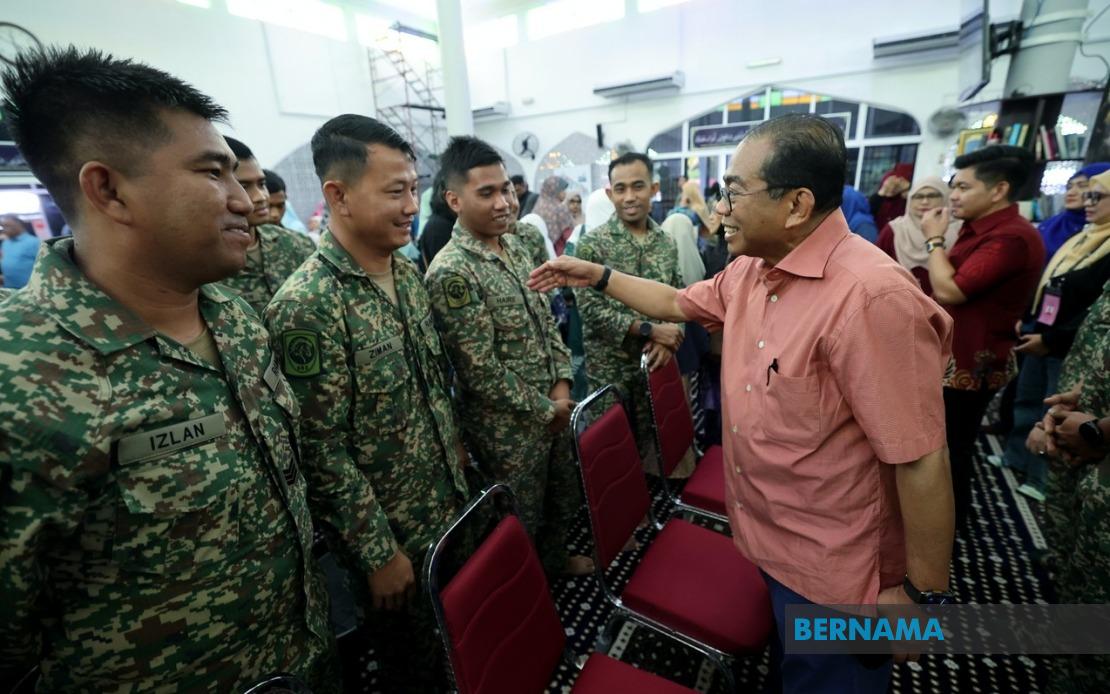
Defence Minister Datuk Seri Mohamed Khaled Nordin has signalled that findings from the investigation into a deadly grenade blast at Hobart Camp in Gurun should reach the Ministry of Defence by mid-July, marking a significant step toward understanding what went catastrophically wrong during routine military training. Speaking after an event in Kota Tinggi, Mohamed Khaled indicated the report was in its final stages of preparation and would trigger further action once formally submitted to the ministry. The timeline suggests investigators have substantially completed their work into the incident that has sparked broader concerns about safety protocols across Malaysian military training facilities.
The explosion on June 16 proved fatal for two service personnel conducting what should have been a standard training exercise. Corporal Norazmi Abu Bakar, serving with the Sixth Battalion, Royal Malay Regiment, and Private Siti Khadijah Sungip of the First Squadron, Royal Engineers Regiment, sustained severe injuries in the blast at approximately 10:57 am. Medical teams quickly transported both soldiers to Sultan Abdul Halim Hospital in Sungai Petani, yet despite emergency intervention during transit, both were pronounced dead upon arrival. The loss represented a sobering reminder of the inherent risks in military training, even within established protocols.
The gravity of the situation intensified when a second incident at the identical location just two weeks later suggested systemic vulnerabilities rather than isolated accident. On June 29, another mishap unfolded during combat enhancement training when a firearm discharged unexpectedly, striking two personnel with shrapnel. Sergeant Mohamad Firdaus Che Shaharudin and Corporal Felix Franchis of the Fourth Battalion, Royal Ranger Regiment sustained leg injuries in the 6:15 pm incident. The proximity of two separate accidents at Hobart Camp within a fourteen-day window raised immediate questions about whether comprehensive safety measures, equipment maintenance, or supervision protocols had deteriorated.
Mohamed Khaled explicitly ordered the Malaysian Army to undertake a comprehensive review of its training methodology, recognizing that addressing the immediate cause of the June 16 deaths would prove insufficient if underlying weaknesses persisted. His directive acknowledged that the second incident demanded scrutiny beyond the scope of investigating a single explosion. By expanding the examination to encompass training approaches more broadly, defence leadership signalled recognition that multiple accidents at one location typically point to systemic issues rather than operator error alone. The Defence Minister emphasized that no remedial decisions would be finalized until investigation teams delivered their full findings.
The fatalities occurred during a period when Malaysia's armed forces maintain an active operational tempo and continue conducting regular training exercises across multiple installations. Hobart Camp, as a facility hosting units from various regiments and corps, represents a significant training hub where soldiers from different branches prepare for operational readiness. The incidents there consequently affected personnel across the defence establishment, from the Royal Malay Regiment to the Royal Engineers and Royal Rangers, underscoring how safety lapses at central training locations carry implications for multiple military formations. The diversity of units involved suggested the investigation would need to consider whether common training standards applied consistently across different branches.
Mohamed Khaled's public commitment to releasing investigation findings within a defined timeframe reflects mounting political and institutional pressure surrounding military deaths during peacetime training. In Malaysia's context, where defence budgets and operational effectiveness remain national security concerns, unexplained fatalities and injuries at training facilities invite scrutiny from parliament, media, and public opinion. By establishing a mid-July deadline for the report, the Defence Ministry positioned itself to provide transparency and demonstrate responsiveness to bereaved families and concerned stakeholders. The deadline also created accountability pressure on investigation teams to finalize their conclusions within a reasonable period.
For Malaysian military personnel and their families, the incidents at Hobart Camp underscored broader questions about risk management in training environments. Military training inherently involves hazards, yet servicemen and women expect that established safety procedures, equipment inspection routines, and supervisory oversight minimize preventable accidents. When deaths and injuries occur in rapid succession at the same location, trust in institutional safety culture deteriorates. Families of Corporal Norazmi and Private Siti Khadijah would reasonably anticipate that investigation findings would identify whether procedural failures, equipment defects, or supervisory lapses contributed to the tragedy.
The regional context matters for understanding the investigation's importance. Southeast Asian militaries operate within resource constraints and varying levels of training infrastructure development. Malaysia maintains one of the region's better-resourced armed forces, yet even well-funded militaries occasionally experience accidents during training. How Malaysia investigates and responds to these incidents influences the broader regional approach to military safety standards. Transparent investigation processes and meaningful corrective actions demonstrate institutional commitment to learning from tragedies, whereas opaque investigations or delayed responses undermine confidence in defence institutions.
Investigators have presumably examined grenade handling procedures, explosive devices and their storage, pre-exercise equipment inspection checklists, personnel qualifications and experience levels, supervisory chain of command during the training exercise, and environmental factors that might have contributed to the June 16 explosion. The second incident involving firearm discharge requires parallel investigation into weapons handling, training methodology for combat enhancement exercises, safety briefings, and whether personnel conducting the training possessed appropriate certification and oversight. Both investigations likely examined whether Hobart Camp itself, as a facility, had maintenance deficiencies or infrastructure problems exacerbating risks.
The anticipated report carries implications extending beyond Hobart Camp to defence training protocols nationwide. If investigators identify systemic weaknesses in training methodology, equipment maintenance, or supervisory practices at this major facility, the Defence Ministry will likely mandate remedial measures across other installations. Military training establishments throughout Peninsular Malaysia and beyond would potentially face new procedures, additional inspection requirements, or retraining initiatives. Such cascading reforms would involve logistical complexity and resource allocation decisions that Defence Ministry leadership would need to manage carefully.
Mohamed Khaled's previous public statements suggest he recognizes the gravity of military training fatalities and the necessity of institutional accountability. By committing to a specific timeline for investigation completion, he has established measurable expectations. Should the report arrive by mid-July as promised, the ministry enters a new phase requiring transparent communication with families of deceased personnel, affected units, parliament, and the broader public regarding findings and corrective actions. Delayed submission would invite criticism regarding investigation rigor or institutional responsiveness.
The investigation outcomes will likely influence public discourse regarding Malaysian military readiness and institutional effectiveness. Opposition politicians and parliamentary scrutiny may question whether training safety received adequate priority relative to operational tempo and readiness requirements. The Defence Ministry will need to demonstrate that enhanced safety protocols need not significantly compromise training effectiveness or military capability development. Striking that balance represents a central challenge for military leadership in the coming weeks as investigation findings become public.

