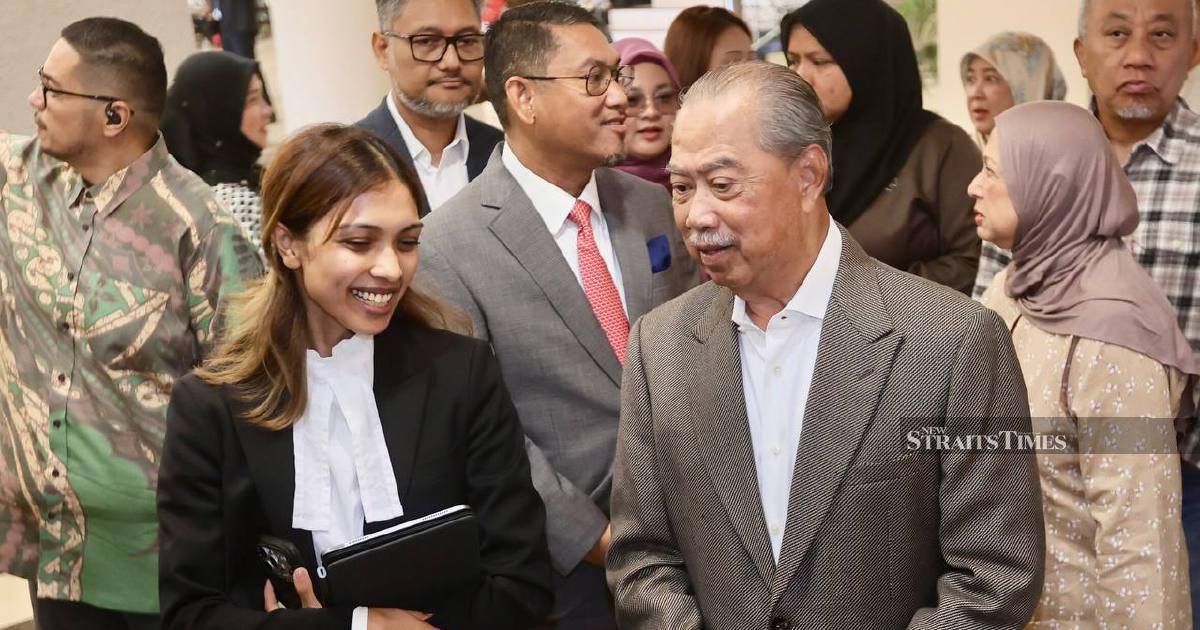
The High Court heard crucial testimony today as a witness in the Jana Wibawa trial involving former Prime Minister Tan Sri Muhyiddin Yassin categorically denied that the veteran politician had ever sought financial contributions. This statement carries significant weight in the ongoing legal proceedings, which have drawn considerable public attention given Muhyiddin's recent tenure as the country's 8th Prime Minister and his continued influence within Bersatu, the political party he founded.
The witness's account directly addresses one of the core allegations in the Jana Wibawa case, which centres on the nature and legitimacy of donations received. Jana Wibawa, a company whose involvement in the fund transfers forms the basis of the charges, has been the subject of intense scrutiny. The trial has highlighted questions about transparency in political fundraising and the distinction between legitimate party donations and potentially problematic financial arrangements. This distinction is particularly pertinent in Malaysia's current political climate, where investigations into political financing have become increasingly prominent.
Muhyiddin's legal team has consistently maintained his innocence throughout the proceedings. The witness testimony supports this defence strategy by establishing that any financial transactions involving Jana Wibawa were not initiated by Muhyiddin's direct requests. This approach attempts to shift the burden of explanation onto other parties who may have been involved in the fundraising activities, suggesting that any impropriety would lie elsewhere rather than with the former premier himself.
The trial has unfolded against the backdrop of Malaysia's broader anti-corruption agenda. Following the fallout from the 1Malaysia Development Berhad scandal and subsequent legal reforms, public scrutiny of political donations has intensified significantly. The judiciary's handling of this case will likely set important precedents for how political financing is evaluated in future cases involving high-profile figures and their associated entities.
Bersatu's financial management has previously come under scrutiny, with questions raised about how the party funds its operations and campaigns. The party's relatively recent establishment compared to Malaysia's long-established political entities means its administrative structures were still developing during the period in question. Understanding the difference between personal and party fundraising becomes crucial when evaluating such allegations, and the witness's testimony attempts to clarify exactly where those boundaries lay in this specific instance.
The legal proceedings reflect broader concerns about how donations are solicited, received, and recorded within Malaysian political structures. Transparency in party financing remains a contentious issue, with various stakeholders advocating for stricter regulations and clearer disclosure requirements. The Jana Wibawa trial has become a focal point for these discussions, examining whether existing safeguards are adequate to prevent potential misuse of corporate donations within the political sphere.
Muhyiddin's position as a former Prime Minister naturally amplifies the case's significance. His previous tenure, though brief and controversial, means that scrutiny of his actions carries implications for how the office itself is perceived. The trial has also become intertwined with broader political dynamics within Malaysia, where faction within the ruling coalition and opposition have shifted considerably since his government's collapse in 2020. These political undercurrents may influence how various stakeholders perceive the case's developments.
The defence strategy appears focused on demonstrating that Muhyiddin operated within normal protocols for political fundraising, and that if any irregularities occurred, they were beyond his direct knowledge or instruction. By establishing that he never personally solicited contributions, the legal team hopes to disconnect him from the mechanics of how Jana Wibawa functioned and how funds flowed through its accounts. This compartmentalisation argument is common in cases involving senior political figures who claim limited day-to-day involvement in party administrative matters.
For Malaysian observers tracking political accountability issues, the trial's progression matters considerably. The outcomes will influence perceptions of whether legal mechanisms can effectively address allegations against powerful political figures, or whether high-ranking politicians operate within a protected sphere. Public confidence in the judiciary's independence and impartiality remains fragile, making high-profile cases like this one significant barometers of the legal system's credibility.
The witness testimony, while favourable to Muhyiddin's defence, represents only one element of what will likely be a lengthy judicial examination. The prosecution will presumably present its own evidence and witnesses to contest this account and establish alternative versions of events. The ultimate determination will rest with the court, which must weigh the credibility and consistency of various testimonies against documentary evidence regarding how Jana Wibawa operated and what communications existed between Muhyiddin and those managing the company.
As proceedings continue, the case will likely generate further revelations about political fundraising practices within Malaysian parties more broadly. Whether this trial becomes a turning point for greater transparency in political financing, or whether it remains an isolated examination of one individual's affairs, remains to be seen. The court's final judgment will provide important clarification about acceptable boundaries for political donations and how extensively senior party figures can be held responsible for financial arrangements conducted in their parties' names.

