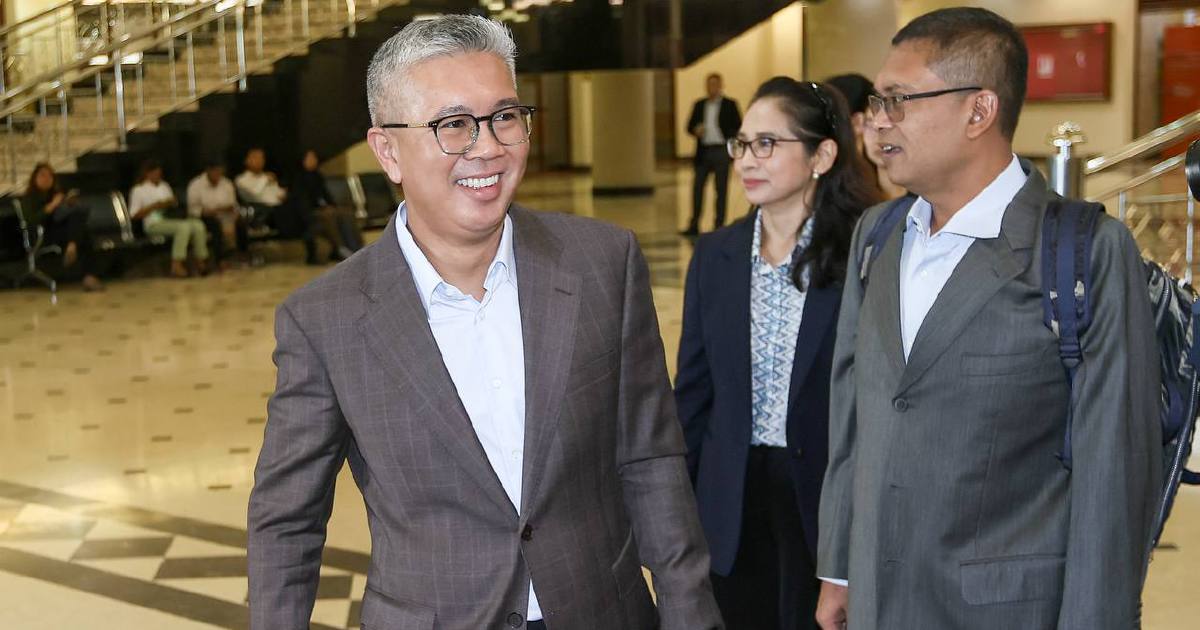
In testimony delivered before the High Court in Kuala Lumpur, former Finance Minister Tengku Datuk Seri Zafrul Tengku Abdul Aziz has revealed that Tan Sri Muhyiddin Yassin proposed the appointment of 54 contractors under the Jana Wibawa programme by means of direct negotiation, bypassing conventional competitive procurement procedures.
The Jana Wibawa initiative, a significant infrastructure and economic stimulus programme, has become the focal point of escalating scrutiny regarding contract award processes and compliance with procurement regulations. The allegation that such a substantial number of contractors—54 in total—were selected through direct negotiation rather than transparent tender mechanisms raises fundamental questions about procedural integrity and adherence to established government procurement standards.
Direct negotiation represents one of the most contentious procurement methods available to government agencies, as it inherently restricts competition and limits transparency compared to open or restricted tendering. While legitimate circumstances exist for employing such mechanisms, particularly in urgent situations or where specialist expertise is genuinely limited, the appointment of five dozen contractors through this route typically warrants exceptional justification. The absence of competitive pressure can result in suboptimal pricing, quality concerns, and potential conflicts of interest—issues that assume heightened importance when public funds are deployed on infrastructure projects intended to stimulate economic activity.
Tengku Zafrul's courtroom testimony assumes considerable weight given his position as Finance Minister, the ministry responsible for overseeing federal procurement policies and ensuring compliance with Treasury guidelines. His recollection of these proposals places them on the official record within judicial proceedings, introducing a layer of formal accountability that extends beyond preliminary investigations or media reporting. The testimony suggests tensions may have existed between the Finance Ministry's oversight responsibilities and directives emanating from the Prime Minister's office regarding contractor selection methodologies.
The Jana Wibawa programme itself reflects Malaysia's ongoing efforts to deploy targeted fiscal intervention for economic revitalisation and infrastructure development. Such initiatives require substantial capital allocation and generate considerable opportunity for contractors and consultants throughout the economy. When procurement processes for such programmes lack transparency or deviate from established guidelines, the effectiveness of public spending becomes compromised, and public trust in government economic stewardship deteriorates.
For Malaysian business practitioners and investors, the implications of these procurement revelations extend beyond immediate political considerations. Contractors operating within the country must navigate an increasingly complex landscape where the consistency and predictability of procurement processes remain uncertain. Firms competing for government work require assurance that selection decisions rest upon transparent criteria rather than administrative or political considerations. When direct negotiation becomes the preferred pathway for major contractor appointments, competitive firms face reduced opportunities, potentially dampening market dynamism and innovation within sectors dependent upon public sector demand.
The testimony also carries implications for Malaysia's standing within the international business community and development finance partnerships. Multilateral institutions and foreign investors increasingly scrutinise governance quality, transparency standards, and procurement integrity before committing resources to economy-wide initiatives. Revelations concerning non-standard procurement processes can complicate Malaysia's efforts to attract institutional capital for infrastructure development or to secure concessional financing from development banks that impose governance conditions upon lending.
Tengku Zafrul's appearance before the court represents part of broader accountability mechanisms currently examining governance decisions made during the Muhyiddin Yassin administration, which held office from 2020 to 2021. That period encompassed significant fiscal intervention, expanded government spending, and deployment of extraordinary executive mechanisms in response to pandemic-related circumstances. Whether pandemic conditions were invoked to justify departures from standard procurement procedures remains a consequential question, as emergency frameworks sometimes become normalised beyond their intended scope and duration.
The High Court proceedings provide an opportunity for judicial examination of specific contract award decisions and underlying policy rationales. Unlike parliamentary inquiries or media investigations, court processes generate binding findings and create enforceable remedies, including potential contract rescission or financial recovery. The testimony of senior finance ministry officials supplies the court with direct evidence concerning deliberations at the highest policy-making levels, enabling judicial assessment of whether procedures complied with applicable statutes, regulations, and constitutional requirements.
For the broader Malaysian governance context, these revelations underscore persistent challenges surrounding the balance between executive discretion and institutional constraints. Strong governance frameworks depend upon multiple mechanisms functioning in concert: robust parliamentary oversight, independent auditing, transparent procurement processes, and judicial scrutiny of administrative decisions. When these mechanisms operate effectively, even powerful office-holders face meaningful accountability constraints. The Tengku Zafrul testimony suggests these institutional checks are functioning, with evidence of governance irregularities receiving formal examination rather than remaining concealed behind official secrecy claims.
The 54-contractor revelation also raises questions regarding downstream consequences and remedial possibilities. If procurement procedures deviated substantially from established guidelines, affected firms excluded through non-competitive processes might possess grounds for legal challenge. Financial regulators and auditing authorities may initiate inquiries regarding value-for-money outcomes and comparative costs relative to counterfactual scenarios employing competitive selection methods. These cascading institutional responses exemplify how governance accountability, once triggered through formal legal channels, generates pressures extending throughout the administrative apparatus.
The coming weeks will reveal whether judicial proceedings yield findings that modify existing Jana Wibawa arrangements or establish enforceable principles for future government infrastructure projects. Whatever outcomes emerge, the testimony delivered today has anchored specific procurement allegations within the official judicial record, ensuring that governance questions surrounding the Jana Wibawa programme receive formal examination rather than remaining confined to political debate or investigative journalism.

