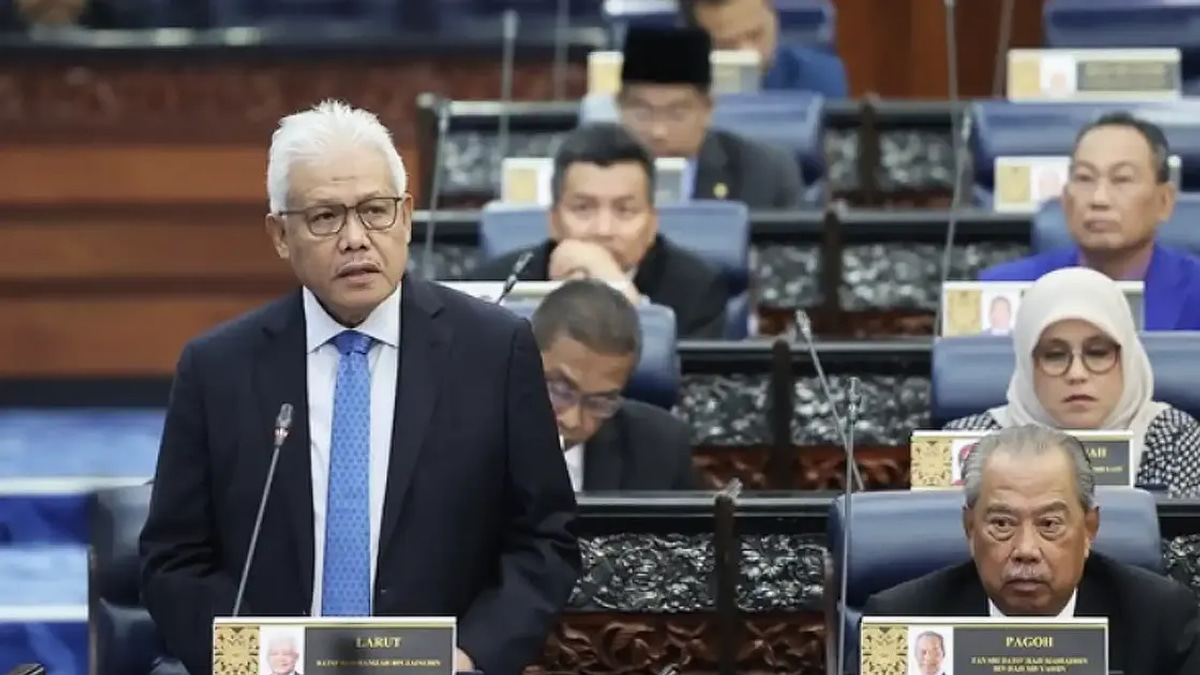
Senior politicians from both Pakatan Harapan and Umno are making individual approaches to the Bersama coalition in a bid to secure membership, according to recent statements by Bersama leadership. The movement, which has positioned itself as a centrist political force, appears to be attracting interest from established political figures across the traditional opposition and ruling coalition divides.
This development reflects the continuing fluidity and fragmentation within Malaysia's political landscape. Over the past several years, the country has witnessed multiple shifts in alliances and the emergence of competing coalitional arrangements, leaving established political structures in a state of reconfiguration. The interest from Bersama suggests that some prominent politicians may be seeking alternative platforms beyond their current party affiliations, driven by various strategic calculations.
Bersama has attempted to carve out a distinct identity separate from the Pakatan Harapan coalition and the Barisan Nasional framework that historically dominated Malaysian politics. The coalition's appeal to figures from across the political spectrum indicates it may be positioning itself as a destination for politicians dissatisfied with their current arrangements or seeking fresh political homes. This cross-party interest underscores how Malaysia's political ecosystem has become increasingly pluralised, with multiple competing centres of political authority and influence.
The significance of Umno politicians seeking alternative coalitional arrangements cannot be understated. For decades, Umno served as the undisputed anchor of the Barisan Nasional coalition and the primary organisational vehicle for Malay-Muslim political representation. Any movement of senior Umno figures toward rival platforms suggests considerable internal stress within the party and potentially signals broader reassessments among the party's rank and file regarding their political future. Such defections, if they materialise, would represent a notable shift in the party's traditional power structure and coalition positioning.
Similarly, the reported interest from Pakatan Harapan politicians reflects ongoing tensions and disagreements within that coalition. The bloc, which governed from 2018 to 2020 before fragmenting, has struggled to maintain cohesion across its constituent parties and diverse ideological moorings. Some political figures within Pakatan Harapan may be exploring whether alternative coalitional arrangements could better serve their political interests or regional power bases.
Bersama's emergence as a destination for these politicians raises questions about the coalition's strategic vision and whether it can offer a compelling alternative to both Pakatan Harapan and Barisan Nasional. The movement has struggled to establish itself as a significant electoral force in recent years, making the recruitment of established political figures potentially crucial to its ambitions. Success in attracting heavyweight politicians could substantially boost its profile and positioning ahead of future electoral contests.
The timing of these approaches is noteworthy given the current political environment in Malaysia. With no federal elections scheduled in the immediate term, politicians have breathing room to explore strategic repositioning without urgent electoral pressures. However, the window for such manoeuvrings may be limited, as the political calendar will eventually force decisions about which coalitions will contest upcoming elections and in what configurations.
For Malaysian voters and observers, these shifting alignments underscore the ongoing instability and unpredictability of the country's political system. The persistence of coalition hopping and cross-party defections has reduced the clarity of political choice for ordinary citizens and contributed to a sense of political fluidity where traditional party loyalties carry diminished weight. This pattern also reflects structural issues within Malaysian political parties, where factionalism, personalised leadership, and dispute over resource distribution often take precedence over ideological coherence.
The interest in Bersama from both left and right of Malaysia's political spectrum, if confirmed, would represent a convergence that could fundamentally alter the balance of political forces. Rather than a binary contest between Pakatan Harapan and Barisan Nasional or their successor arrangements, Malaysian politics could increasingly feature multiple competing coalitions with overlapping memberships and unclear electoral mathematics. Such fragmentation could have significant implications for government formation and the ability of any coalition to command a parliamentary majority in future general elections.
Further developments in this situation will likely depend on whether Bersama can formalise these preliminary approaches into actual party transfers and coalition membership. Any substantial movement of established politicians would carry symbolic significance and potentially create momentum for additional defections. However, such outcomes remain uncertain, and the political trajectories of these ambitious politicians remain fluid in Malaysia's currently unpredictable electoral environment.