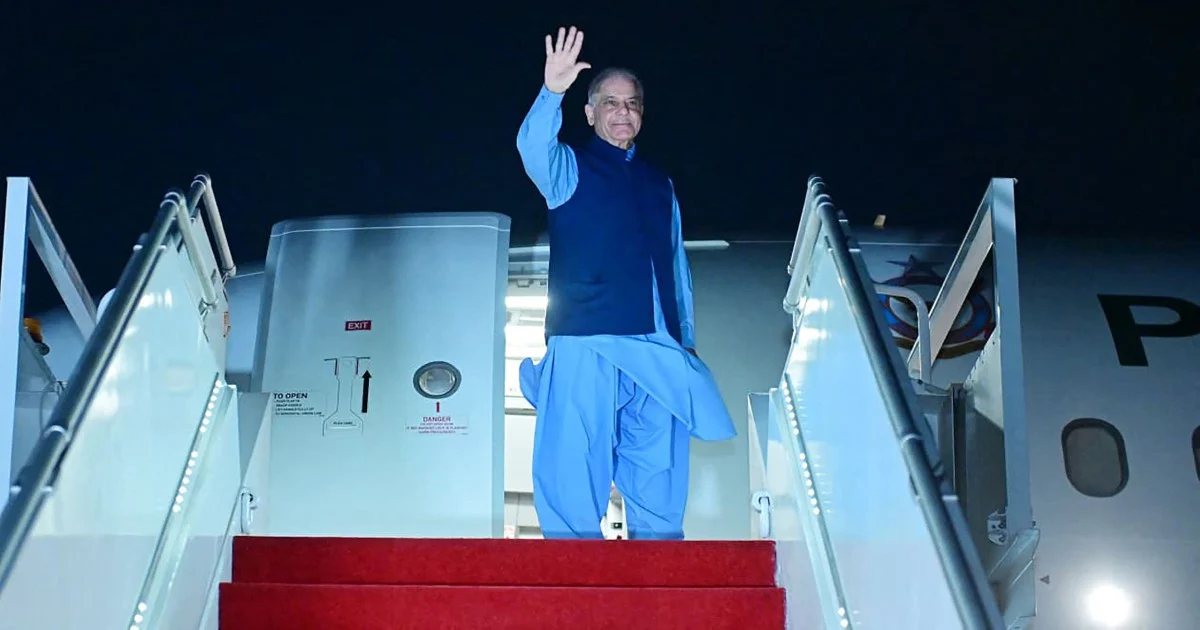
Pakistan's Prime Minister Shehbaz Sharif arrived in Switzerland on Sunday morning to participate in a series of technical-level negotiations between the United States and Iran, according to local media reports. The visit marks a significant diplomatic engagement for Islamabad as the broader international community attempts to manage escalating tensions across the Middle Eastern region through dialogue channels.
The timing of Sharif's participation underscores Pakistan's strategic interest in Middle East stability, a region that has long held considerable geopolitical and economic significance for Pakistani policymakers. As a nation with deep historical ties to both Persian Gulf monarchies and Iran, Pakistan's role in facilitating or observing diplomatic processes carries particular weight in regional calculations. The presence of Pakistan's top government official at these discussions suggests Islamabad views the potential outcomes as consequential enough to warrant high-level representation.
Technical-level talks between Washington and Tehran have become increasingly important as both nations seek pathways to reduce military confrontation without immediately addressing broader political disputes. These lower-level discussions typically focus on practical mechanisms, verification procedures, and confidence-building measures that might support broader diplomatic objectives. By involving a respected regional actor like Pakistan, the negotiators may be signalling openness to enhanced dialogue infrastructure and third-party observation.
Pakistan's participation in such proceedings reflects its complex position within Middle Eastern geopolitics. The country maintains substantial economic relationships with Gulf Cooperation Council states while also sharing a long border and historical ties with Iran. Balancing these relationships has long been a cornerstone of Pakistani foreign policy, making the nation a logical venue for or participant in mediation efforts. Sharif's direct involvement suggests the government believes diplomatic progress serves Pakistan's own security interests, particularly regarding the potential for regional conflicts to spill across borders or destabilise international markets affecting Pakistani trade.
The choice of Switzerland as a venue for these technical discussions carries symbolic weight. The country has long served as neutral ground for sensitive international negotiations, hosting numerous UN agencies and providing secure environments for discreet diplomatic engagement. Switzerland's reputation for neutrality and its sophisticated diplomatic infrastructure make it an ideal setting for discussions between parties with significant mutual suspicion and no direct diplomatic relations.
From a regional perspective, these talks assume heightened importance given the volatile security situation across the Middle East in recent years. Armed conflicts in Yemen, Syria, and Iraq have drawn in various international and regional powers, creating complex networks of proxy relationships and direct military involvement. Any initiative that could reduce tensions between major regional actors holds potential consequences for the broader stability of the area.
Pakistan's economic interests in Middle Eastern stability cannot be overstated. Significant portions of Pakistani labour work in the Gulf states, with remittances forming a crucial component of the country's external financing. Moreover, petroleum imports from the Middle East remain essential for Pakistan's energy security. Escalating regional conflicts could disrupt energy supplies and reduce employment opportunities for Pakistani expatriate workers, making diplomatic solutions a matter of direct national interest.
The presence of Pakistan's premier at technical-level discussions rather than political-level negotiations suggests these meetings are designed to establish working groups and practical frameworks before higher-level political decisions are attempted. Such incremental approaches often prove more effective in resolving entrenched disputes, as technical experts can identify areas of potential cooperation without requiring immediate concessions on fundamental political positions.
For Malaysian readers and other Southeast Asian observers, Pakistan's diplomatic initiative carries implications for how regional powers approach international mediation. The involvement of neighbouring states in negotiations affecting their security environment has become standard practice, reflecting recognition that lasting settlements require buy-in from countries affected by conflict outcomes. This approach mirrors initiatives seen elsewhere in Asia where regional stability depends on cooperative frameworks.
Sharif's visit also underscores Pakistan's efforts to rehabilitate its international image following years of domestic political instability and security challenges. By positioning Islamabad as a constructive participant in international peace efforts, the government aims to strengthen its diplomatic standing and demonstrate commitment to regional stability. Such participation can enhance Pakistan's voice in multilateral forums and contribute to the country's broader foreign policy objectives.
The upcoming discussions will likely focus on establishing channels for ongoing communication, agreeing on confidence-building measures, and identifying technical areas where mutual interests might support cooperation. Success in these technical discussions could pave the way for more ambitious political negotiations, though significant obstacles remain given the depth of historical grievances and competing regional interests.
As these talks proceed, the international community will be watching to determine whether technical-level engagement can generate sufficient momentum for substantive progress. Pakistan's involvement suggests at least some confidence among the parties that constructive dialogue remains possible, even as military tensions persist across the Middle Eastern landscape.


%22%2F%3E%3C%2Fpattern%3E%3C%2Fdefs%3E%3Crect%20width%3D%22100%25%22%20height%3D%22100%25%22%20fill%3D%22url(%23ph5xfh3g)%22%2F%3E%3Crect%20width%3D%22100%25%22%20height%3D%22100%25%22%20fill%3D%22url(%23ph5xfh3p)%22%2F%3E%3Ctext%20x%3D%2250%25%22%20y%3D%2250%25%22%20text-anchor%3D%22middle%22%20dominant-baseline%3D%22central%22%20fill%3D%22rgba(255%2C255%2C255%2C0.95)%22%20font-family%3D%22Georgia%2C%20'Times%20New%20Roman'%2C%20serif%22%20font-weight%3D%22700%22%20font-size%3D%22151%22%20letter-spacing%3D%22-0.02em%22%3EMalaysian%3C%2Ftext%3E%3C%2Fsvg%3E)