Penang has taken centre stage as host of the 2026 National Journalists' Day celebrations, marking a significant occasion that underscores the growing importance of media integrity and professional journalism across Southeast Asia. The event, which drew nearly 1,000 media practitioners from Malaysia and several ASEAN nations to Butterworth, reflects a deliberate strategy by the Communications Ministry to decentralise these annual festivities and allow different states to showcase their appreciation for the media industry's vital role.
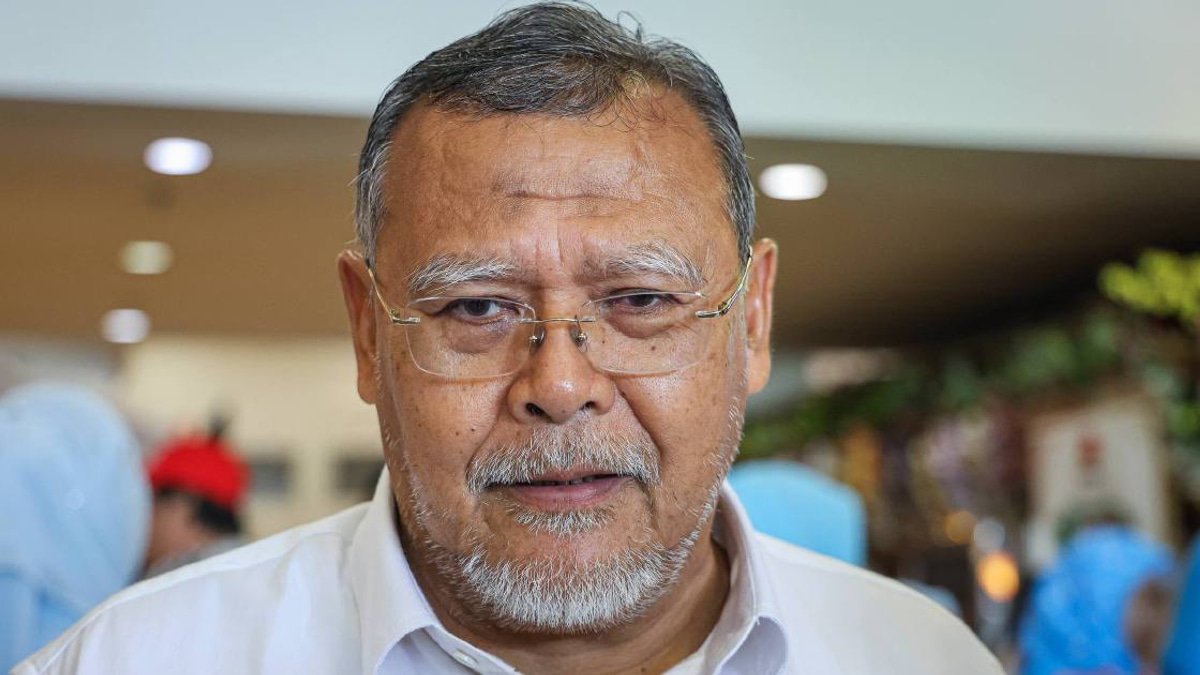
Penang Governor Tun Ramli Ngah Talib has praised the Communications Ministry's decision to rotate the hosting of HAWANA celebrations among Malaysian states, viewing the arrangement as an opportunity for local communities to develop a deeper understanding of journalism's contribution to the nation's progress and prosperity. His endorsement underscores the broader significance of the event beyond ceremonial recognition, positioning it as a platform for genuine dialogue between government, media institutions, and the public about the media's evolving responsibilities in the modern era.
The selection of Penang as this year's venue carries particular resonance for a state that has positioned itself as a dynamic economic and cultural hub in Malaysia. The Penang government, under Chief Minister Chow Kon Yeow, views the HAWANA 2026 celebrations as an extension of the state's commitment to fostering professional standards within the media landscape while strengthening regional connectivity in the journalism field. This aligns with Penang's broader development agenda, which emphasises knowledge-based industries and the free exchange of ideas.
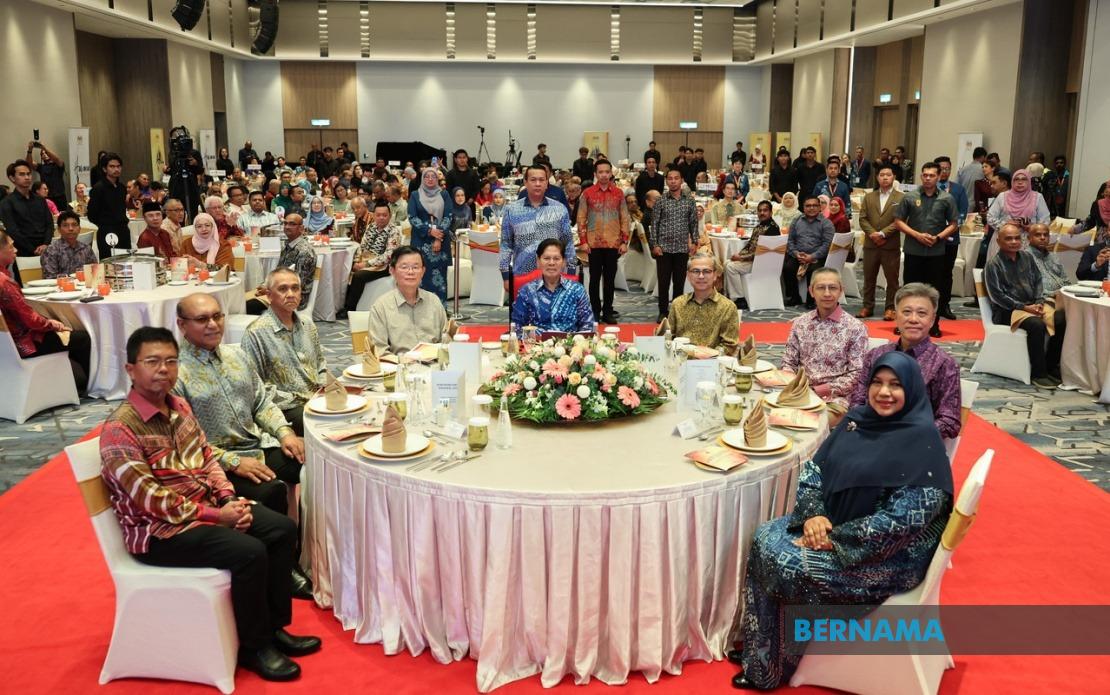
The HAWANA 2026 dinner, held the evening before the main event, assembled an impressive cross-section of the media and government leadership, including Communications Minister Datuk Fahmi Fadzil and representatives from international media organisations. The gathering of nearly 350 guests—editors-in-chief, senior executives, veteran journalists, and government officials—created an intimate setting for reflection on the state of journalism and the challenges facing the profession in an increasingly complex information environment. The presence of Timor-Leste's Secretary of State for Social Communication, Expedito Loro Dias Ximenes, highlighted the regional dimensions of the event and the shared concerns around media professionalism across Southeast Asia.
The overarching theme of HAWANA 2026, 'Media Integrity Strengthens Credibility', addresses one of the most pressing issues facing journalism globally. In Malaysia and the wider ASEAN region, concerns about misinformation, the erosion of public trust in traditional media, and the rise of unverified digital content have prompted serious reflection within the profession. By placing media integrity at the centre of these celebrations, organisers are signalling that professional standards and ethical practice are not abstract ideals but essential foundations for democratic discourse and informed public decision-making.
The role of the Malaysian National News Agency (BERNAMA) as the implementing agency for HAWANA 2026 is particularly significant, given the organisation's historical position as a bridge between government communications and the broader media ecosystem. Under the leadership of chairman Datuk Seri Wong Chun Wai and chief executive officer Datin Paduka Nur-ul Afida Kamaludin, BERNAMA has coordinated an event that brings together journalists from across ideological and organisational divides. This convening function serves a deeper purpose than mere celebration; it reinforces the notion that despite competitive pressures and differing editorial philosophies, the media profession shares common interests in maintaining professional standards and resisting external pressures that compromise journalistic independence.
For Malaysian and Southeast Asian readers, the emphasis on recognising veteran journalists carries particular weight. These individuals have navigated decades of change—from the pre-digital era through the transformative impact of the internet and social media—and their experience offers valuable perspective on how journalism maintains its relevance and credibility amid technological disruption. HAWANA 2026 provides a formal occasion to acknowledge their contributions and, implicitly, to facilitate knowledge transfer between generations of journalists who face fundamentally different challenges in their practice.
The regional dimension of the event, with journalists from several ASEAN countries in attendance, reflects a broader recognition that media challenges transcend national boundaries. Issues of fact-checking, combating disinformation, protecting press freedom, and maintaining professional standards are concerns shared across Southeast Asia. By creating a forum where journalists from different countries can exchange experiences and perspectives, HAWANA 2026 contributes to the development of regional best practices and mutual understanding of how different media systems navigate common pressures and opportunities.
Prime Minister Datuk Seri Anwar Ibrahim's role in officiating the main event at the PICCA Convention Centre @ Butterworth Arena signals government recognition of journalism's importance to Malaysia's democratic project. The participation of high-ranking government officials, alongside independent media leaders and international observers, creates an environment where the symbiotic relationship between government and media—characterised by necessary tension and mutual accountability—can be openly discussed and reinforced.
Tun Ramli's observation that HAWANA serves as a platform for strengthening cooperation and friendship among media organisations at the regional level speaks to a deeper understanding that professional communities require regular occasions for renewal and recommitment to shared values. In an era when media organisations compete fiercely for audience attention and advertising revenue, these formal gatherings remind practitioners that they are part of a larger profession with collective responsibilities to society.
The distribution of hosting responsibilities across states also carries implications for how different regions view and engage with their local media. When Penang hosts HAWANA, it inevitably elevates the profile of Penang-based media outlets and journalists, encouraging broader public awareness of local journalism's contributions to accountability and community information. This decentralisation strategy potentially fosters stronger connections between media and their immediate audiences, reinforcing the principle that journalism's value is ultimately measured by its relevance to the communities it serves.
Looking forward, the success of HAWANA 2026 in Penang will likely influence how future celebrations are structured and what themes receive emphasis. The current focus on media integrity suggests that organisers recognise this as the most pressing challenge facing the profession in the region. As Malaysian and ASEAN media navigate the pressures of rapid technological change, economic uncertainty, and evolving audience expectations, occasions like HAWANA provide essential opportunities for the profession to reflect collectively on its purpose and recommit to the ethical and professional standards that distinguish journalism from other forms of communication.