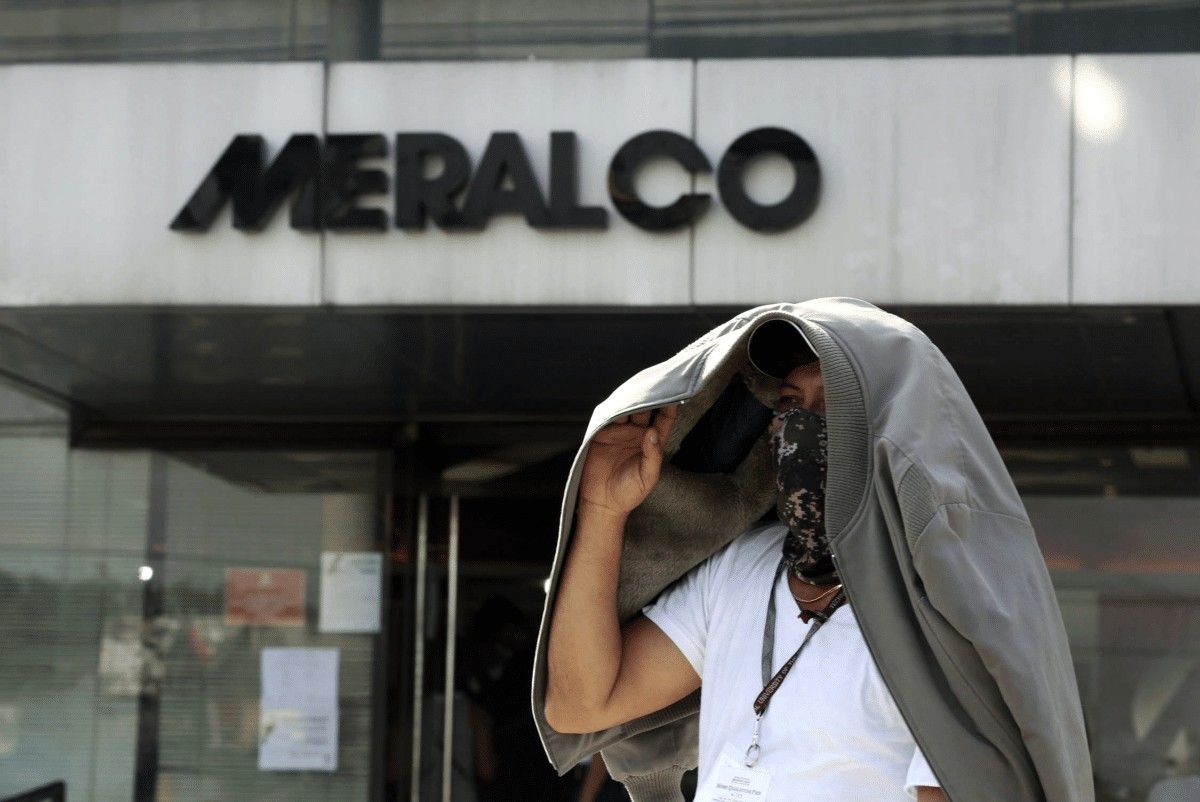
The Philippines' largest power distributor, Manila Electric Company (Meralco), has received a regulatory directive to refund approximately ₱9.5 billion to millions of consumers struggling with elevated electricity costs. The Energy Regulatory Commission (ERC) issued the order on July 31, offering relief to households and businesses across the Metro Manila region and surrounding provinces that have borne the brunt of sustained high power rates in recent years.
The refund mechanism will provide consumers with a rate adjustment of ₱0.3449 per kilowatt-hour (kWh), delivered as a dedicated entry on individual electricity bills rather than as a lump-sum payment. This approach allows Meralco to distribute the financial burden across its customer base systematically, with the entire refund expected to be completed within a six-month timeframe. ERC chair and chief executive officer Francis Saturnino Juan indicated that implementation would commence in the next available billing cycle once Meralco formally receives and processes the regulatory decision.
This refund stems from Meralco's rate reset process, a mechanism that governs how electricity distributors in the Philippines adjust their tariffs to reflect operational costs and infrastructure investments. Under this framework, utilities must present detailed proposals to the ERC outlining their anticipated expenditures and planned projects—typically covering a five-year regulatory period, though regulators can extend this timeline if circumstances warrant. The ERC then uses this information to establish the rates that Meralco passes through to end consumers, creating a structured system intended to balance company viability with consumer protection.
The ₱9.5 billion refund specifically addresses what regulators term the "lapsed period," which in this case spans the entire calendar year 2025. During such intervals between rate adjustments, consumers continue paying according to tariffs established under the previous regulatory framework, even though underlying costs and business conditions may have shifted substantially. This timing gap can result in utilities collecting revenues that exceed what their current rate structure actually justifies—a situation the ERC describes as an "over-recovery." When rates prove excessive relative to documented costs, regulations require these surplus amounts to flow back to consumers.
The lapsed period concept addresses a structural challenge inherent in utility regulation. Because rate reviews occur infrequently and take considerable time to complete, extended intervals often emerge where consumers pay using outdated pricing structures. Companies like Meralco argue that these gaps create uncertainty and complicate financial planning, while consumer advocates contend that outdated rates frequently disadvantage households, who may be paying for cost assumptions that no longer reflect reality. The 2025 lapsed period represents accumulated imbalances that the ERC determined warranted correction through systematic refunding.
In calculating the total refund amount, the ERC made a deliberate decision to incorporate interest costs alongside the base over-recovery. This reflects the commission's view that Meralco should compensate consumers not merely for the excess amounts collected, but also for the implicit cost of having access to those funds delayed. The regulatory logic treats the interest component as compensation for consumers' foregone use of money that Meralco received but was not entitled to retain.
For Malaysian observers, this case illustrates how different Southeast Asian jurisdictions approach utility regulation and consumer protection. While Malaysia's own electricity system involves both regulated and competitive segments—with Tenaga Nasional Berhad (TNB) dominating the peninsula alongside independent power producers—the Philippines case demonstrates how rate-setting mechanisms can generate significant financial obligations when regulatory review cycles lag behind operational realities. The scale of the Meralco refund underscores the material impact that timing gaps in rate-setting can accumulate.
The practical delivery of this refund matters considerably for Philippine households already managing tight electricity budgets. By incorporating the ₱0.3449 per kWh credit as a distinct billing line item, consumers will immediately recognize the financial benefit on their statements, potentially improving transparency around how regulatory decisions translate into household savings. For average residential consumers, this could represent meaningful relief, though precise impacts will vary based on individual consumption patterns and billing periods.
Meralco's market position as the nation's largest electricity distributor means this refund affects millions of customers across densely populated regions. The company serves approximately 9 million customers in Metro Manila and surrounding areas, making this one of Asia's most substantial power distribution territories. A ₱9.5 billion refund distributed across this customer base, while not negligible, nonetheless represents approximately 0.48 pesos per kilowatt-hour—a modest but welcome reduction for price-sensitive households.
The ERC's decision reflects broader regulatory tension between utility financial sustainability and consumer affordability. Philippine electricity rates have been trending upward due to multiple factors including coal costs, imported fuel dependencies, and infrastructure investment requirements. Regulators must balance protecting consumers from excessive charges against ensuring utilities maintain sufficient revenue to fund system expansion and maintenance. The commission's willingness to order this substantial refund indicates confidence that Meralco's financial position can accommodate the repayment without jeopardizing service quality or necessary capital investments.
Looking forward, this case highlights the importance of efficient rate-review processes. Extended lapsed periods create exactly the conditions that lead to over-recoveries requiring later correction. Streamlining regulatory timelines could reduce the accumulation of such imbalances, creating more stable pricing signals for both utilities and consumers. For the Philippine energy sector, shorter intervals between rate resets might prove more equitable than the current system's tendency to create substantial corrections years after the relevant period concludes.

