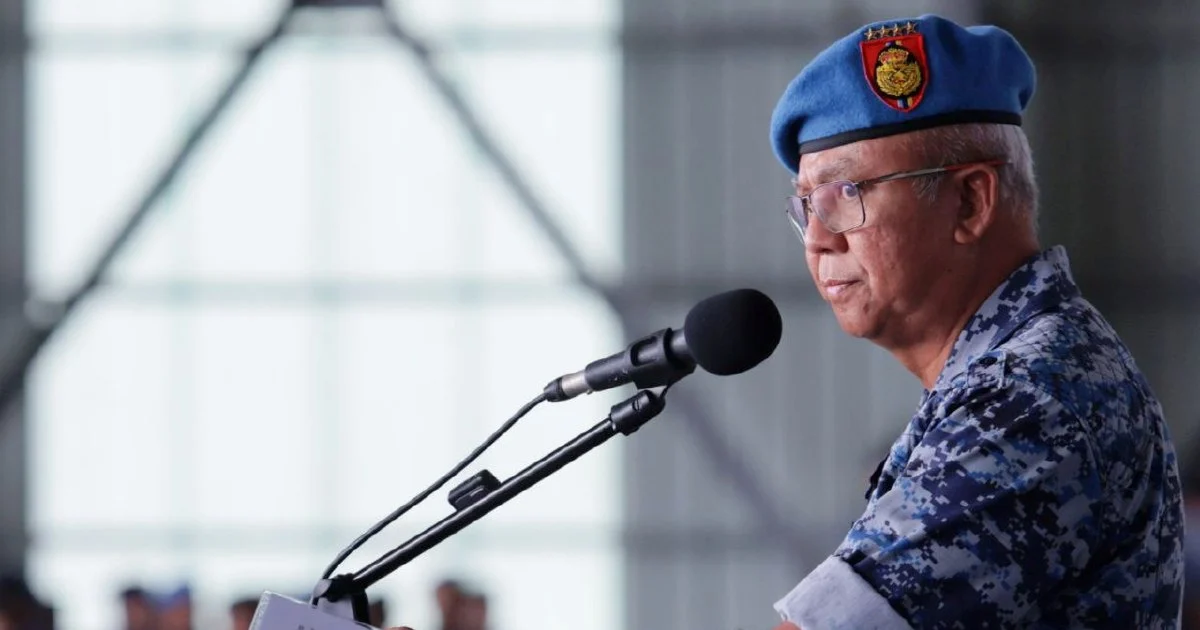
The Royal Malaysian Air Force has raised fresh concerns about its capacity to adequately oversee Malaysia's maritime interests, with senior leadership flagging a significant gap between current operational assets and the surveillance requirements necessary for comprehensive domain awareness across the Exclusive Economic Zone. Speaking at Subang, the air force chief underscored the growing imperative for enhanced monitoring capabilities at a time when geopolitical dynamics across the South China Sea are becoming increasingly unpredictable and contested.
The EEZ represents a vast expanse of ocean under Malaysian jurisdiction that extends far beyond the nation's territorial waters, and monitoring this region effectively requires sustained aerial presence, advanced radar systems, and coordinated intelligence gathering. The RMAF's existing fleet, while respectable in numbers, faces constraints in terms of operational range, endurance, and technological sophistication needed to provide round-the-clock coverage of this strategically vital maritime corridor. The air force chief's remarks reflect a sobering assessment that the current inventory falls short of what is needed to maintain persistent surveillance and respond swiftly to potential maritime incursions or unlawful activities.
South China Sea tensions have evolved significantly over the past decade, with multiple claimant states pursuing competing territorial assertions and increasingly assertive maritime operations. The waters surrounding Malaysia's EEZ have witnessed heightened activity from foreign vessels, fishing fleets, and aircraft, creating a complex surveillance challenge that demands technological sophistication and operational readiness. Malaysia's geographical position places it at the intersection of several flashpoints, making reliable maritime monitoring essential not only for national security but also for protecting economic interests and maintaining regional stability.
The resource constraints facing the RMAF reflect broader budgetary pressures affecting regional air forces across Southeast Asia. Modern maritime surveillance requires investment in platforms such as long-range maritime patrol aircraft, unmanned aerial systems, and integrated command-and-control infrastructure. These acquisitions represent substantial financial commitments that must compete with other defence priorities and national development needs. For Malaysia, balancing security imperatives with fiscal prudence remains an ongoing challenge, particularly as economic conditions fluctuate and competing demands arise across multiple government sectors.
Current RMAF assets deployed for maritime patrol duties include aging aircraft that, while still functional, lack the range and sensor capabilities of contemporary systems. The service operates a limited number of long-endurance platforms, creating gaps in surveillance coverage during transition periods and routine maintenance. This operational reality means that certain areas of the EEZ may experience reduced monitoring density, potentially creating windows of vulnerability that opportunistic actors could exploit. The air force chief's assessment essentially acknowledges that Malaysia cannot currently maintain the continuous presence necessary for truly comprehensive maritime domain awareness.
The geopolitical context amplifies the urgency of this capability gap. China's continued activities in disputed waters, including military exercises and infrastructure development, heighten concerns among Southeast Asian nations about maritime security and freedom of navigation. Vietnam, the Philippines, and Indonesia face similar surveillance challenges, and several regional states have initiated modernization programmes to strengthen their maritime monitoring capabilities. Malaysia's situation reflects broader regional vulnerabilities, as many Southeast Asian air forces struggle with comparable equipment limitations and funding constraints.
Addressing the RMAF's shortfalls would likely require a combination of measures, including acquisition of new or refurbished maritime patrol aircraft, integration of unmanned systems, enhancement of radar networks, and improved data-sharing arrangements with regional partners. Some regional nations have explored cooperative arrangements to enhance collective maritime awareness, recognizing that individual surveillance efforts remain insufficient. Such frameworks could provide Malaysia with enhanced situational awareness across the South China Sea, particularly regarding activities within and adjacent to the EEZ.
The diplomatic and strategic implications of this capability gap extend beyond mere military considerations. Malaysia's ability to effectively monitor and manage its maritime domain influences its standing in regional discussions about South China Sea governance and maritime law enforcement. Countries perceived as unable to control their own waters may find their voices diminished in multilateral forums and negotiations regarding maritime rights and responsibilities. Conversely, demonstrated capacity for maritime surveillance and enforcement strengthens Malaysia's hand in asserting its legitimate interests and negotiating from a position of credibility.
Forward planning within the RMAF will likely emphasize incremental improvements to surveillance capabilities, potentially including modernization of existing platforms and selective acquisition of new systems. Budget allocation decisions in the coming years will prove crucial in determining whether Malaysia can close this capability gap. The air force chief's public statements serve to build the case for increased resources, signaling to government and parliament that maritime security requirements demand serious attention and sustained investment. Without such advocacy, Malaysia risks allowing its surveillance capacity to atrophy further as technology advances and regional security challenges intensify.
Looking ahead, Malaysia will need to calibrate its responses to maritime challenges within available resources while exploring cost-effective solutions such as regional cooperation arrangements and technology partnerships. The RMAF chief's warnings should prompt substantive policy discussions about defence priorities and resource allocation that extend beyond immediate military considerations to encompass broader questions of economic security, diplomatic influence, and regional stability.